Texas Camp Mystic Official Testifies Deaths Not Officially Reported to State Agency After 27 Girls Killed in Flood
AI-Summarized Article
ClearWire's AI summarized this story from NBC News into a neutral, comprehensive article.
Key Points
- A Camp Mystic medical officer testified that 27 girls' deaths from a flood last year have not been officially reported to the state health agency.
- The incident involved the deaths of 27 girls at the Texas summer camp due to a flood, making it a major tragedy.
- Official reporting to the state health agency is a standard requirement for licensed facilities following such serious incidents.
- The testimony highlights potential procedural lapses in post-incident management and reporting at the camp.
- This revelation may prompt increased scrutiny from state regulators and potentially lead to further investigations or policy changes.
- The lack of formal reporting could impede the state's ability to fully investigate the incident and ensure accountability.
Overview
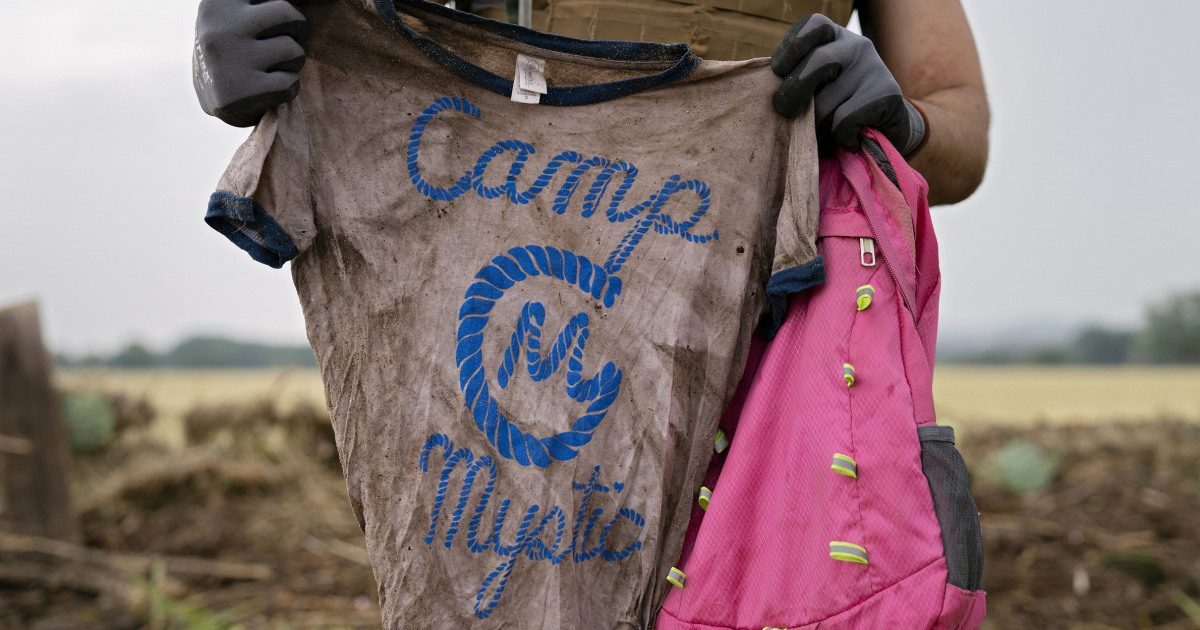
A medical officer for Camp Mystic, a Texas summer camp, testified on Tuesday that the deaths of 27 girls who perished in a flood last year have not yet been officially reported to the state health agency. This testimony emerged during ongoing proceedings related to the tragic incident. The official's statement highlights a significant procedural lapse in the aftermath of a mass casualty event at a licensed facility, raising questions about reporting protocols and accountability.
The incident, which occurred last year, resulted in the loss of 27 young lives, making it one of the most severe incidents involving a youth camp in recent Texas history. The lack of formal reporting to the relevant state body, despite the passage of time, indicates potential systemic issues in how such catastrophic events are managed and documented by private entities and overseen by state authorities. The testimony is part of a broader inquiry into the circumstances surrounding the flood and the camp's operations.
Background & Context
Camp Mystic is a long-standing summer camp in Texas, attracting numerous participants annually. The state health agency, which licenses and oversees such facilities, typically has regulations requiring the prompt reporting of serious incidents, including deaths. These regulations are designed to ensure transparency, facilitate investigations, and enable the agency to take appropriate action to prevent future tragedies. The context of this testimony underscores the importance of adherence to these reporting mandates, especially following an event of this magnitude.
The specific nature of the flood that caused the deaths last year involved unforeseen and rapid water surges, overwhelming the camp's safety measures. The subsequent investigation has focused not only on the immediate causes of the disaster but also on the camp's preparedness, emergency response, and compliance with state regulations. The medical officer's testimony adds a new dimension to these inquiries, pointing to a potential failure in post-incident administrative duties.
Key Developments
The medical officer's testimony on Tuesday explicitly stated that the formal reporting of the 27 deaths to the state health agency had not been completed. This admission came during a public hearing, drawing attention to a critical oversight. The official did not elaborate on the reasons for this delay or omission during the provided snippet, leaving open questions regarding the camp's internal processes or any external factors that might have contributed.
This revelation is significant because official reporting is a foundational step for state agencies to initiate their own investigations, assess compliance, and potentially implement new safety guidelines. The absence of such reports could impede the state's ability to fully understand the incident's scope and ensure accountability. The testimony is expected to prompt further scrutiny from both the public and regulatory bodies concerning the camp's operational transparency and adherence to legal obligations.
Perspectives
The implications of this testimony extend beyond Camp Mystic, potentially prompting a broader review of reporting requirements and enforcement for all licensed youth camps in Texas. Stakeholders, including families of the victims, state legislators, and public safety advocates, are likely to view this as a serious concern, emphasizing the need for robust oversight. The absence of official reports could be perceived as a barrier to achieving full transparency and justice for the victims.
This situation also highlights the tension between private entities managing tragic events and the public's right to information and accountability through state regulatory bodies. It underscores the critical role of state agencies in ensuring that even in the face of immense tragedy, established protocols for reporting and investigation are meticulously followed to uphold public trust and prevent recurrence. The testimony may fuel calls for stricter enforcement mechanisms and clearer guidelines for reporting mass casualty events.
What to Watch
Future developments will likely include responses from the Texas state health agency regarding the medical officer's testimony and any actions they plan to take. Further legal proceedings or investigations into Camp Mystic's compliance with reporting regulations are anticipated. Observers should also monitor whether this incident leads to legislative proposals aimed at strengthening oversight and reporting mandates for youth camps across the state.
Found this story useful? Share it:
Sources (1)
NBC News
"Camp Mystic official testifies that deaths still haven't officially been reported to state agency"
April 15, 2026