
Research Suggests Unmade Beds May Deter Dust Mites, Challenging Conventional Morning Routines
AI-Summarized Article
ClearWire's AI summarized this story from The Times of India into a neutral, comprehensive article.
Key Points
- Leaving a bed unmade allows moisture to dissipate, creating a drier environment.
- Dust mites thrive in warm, humid conditions, making unmade beds less hospitable.
- Reduced humidity in bedding can naturally deter dust mite populations.
- Dust mites are common allergens, triggering symptoms like sneezing and asthma.
- This practice challenges the conventional wisdom of making a bed immediately.
- It offers a simple, no-cost method for allergy management and improved bedroom hygiene.
Overview
Conventional wisdom often promotes making one's bed immediately upon waking as a sign of discipline and a productive start to the day. However, recent scientific insights suggest a surprising benefit to leaving the bed unmade, primarily concerning household pests. This alternative perspective challenges a long-held habit, offering a health-related reason to reconsider daily routines. The core argument revolves around creating an environment less hospitable to dust mites, which are common allergens.
Leaving a bed unmade allows moisture to dissipate from the sheets and mattress, creating a drier environment. This drier condition is less favorable for dust mites, which thrive in warm, humid conditions. Consequently, this simple change in morning routine could potentially reduce the dust mite population in a bedroom, offering a natural method of pest control and allergy management.
Background & Context
Dust mites are microscopic arachnids that feed on dead skin cells shed by humans and pets. They are a common trigger for allergies and asthma, causing symptoms such as sneezing, runny nose, itchy eyes, and skin rashes. Their prevalence is significant, with millions of these creatures potentially inhabiting a single mattress, making their management a key aspect of indoor air quality and allergy control.
For decades, advice columns and self-help guides have championed bed-making as a fundamental habit for personal organization and mental well-being. This societal emphasis has instilled a strong cultural norm around the practice. The new perspective, therefore, directly confronts a widely accepted daily ritual, presenting a scientific rationale that prioritizes health over traditional notions of tidiness.
Key Developments
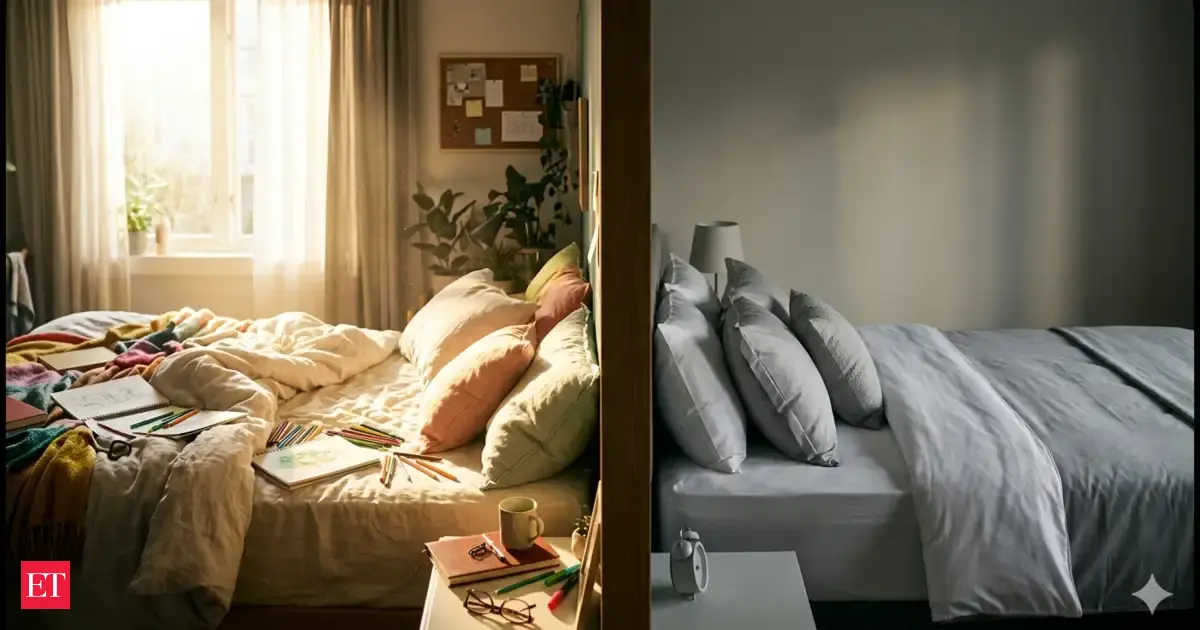
Studies indicate that dust mites require a warm, moist environment to survive and reproduce effectively. When a bed is made immediately after waking, body heat and perspiration from the night are trapped under the covers. This creates an ideal humid microclimate for dust mites to flourish, allowing their populations to grow unchecked within the bedding.
Conversely, leaving the bed unmade exposes the sheets and mattress to air and light, facilitating the evaporation of moisture. This process reduces the humidity levels within the bedding, making it a less conducive habitat for dust mites. By simply delaying the act of making the bed for a few hours, individuals can significantly alter the environmental conditions to deter these common allergens.
Perspectives
While the primary benefit of an unmade bed is the reduction of dust mites, this practice offers a practical, no-cost method for allergy sufferers to manage their symptoms. It provides an alternative to chemical treatments or expensive air purifiers, focusing on environmental control. The shift in perspective encourages a re-evaluation of daily habits based on scientific understanding rather than purely aesthetic or disciplinary reasons.
This insight doesn't negate the psychological benefits some individuals derive from a tidy bedroom. Instead, it suggests a potential compromise, such as making the bed later in the day, after the bedding has had ample time to air out. The overall implication is a more informed approach to bedroom hygiene, balancing personal preference with health considerations.
What to Watch
Individuals concerned about dust mite allergies or seeking to improve indoor air quality may consider integrating this practice into their morning routine. Further research may explore the optimal duration for leaving a bed unmade to maximize dust mite reduction. Observing personal allergy symptoms after adopting this habit could provide anecdotal evidence of its effectiveness for individuals.
Found this story useful? Share it:
Sources (1)
The Times of India
"The Surprising Reason You Shouldn’t Make Your Bed First Thing"
April 13, 2026