
Peru Election Overlooks Illegal Mining Crisis Despite Environmental Devastation
AI-Summarized Article
ClearWire's AI summarized this story from Abcnews.com into a neutral, comprehensive article.
Key Points
- Peruvians are voting for a new president and Congress, but illegal mining, a major environmental issue, is largely ignored by candidates.
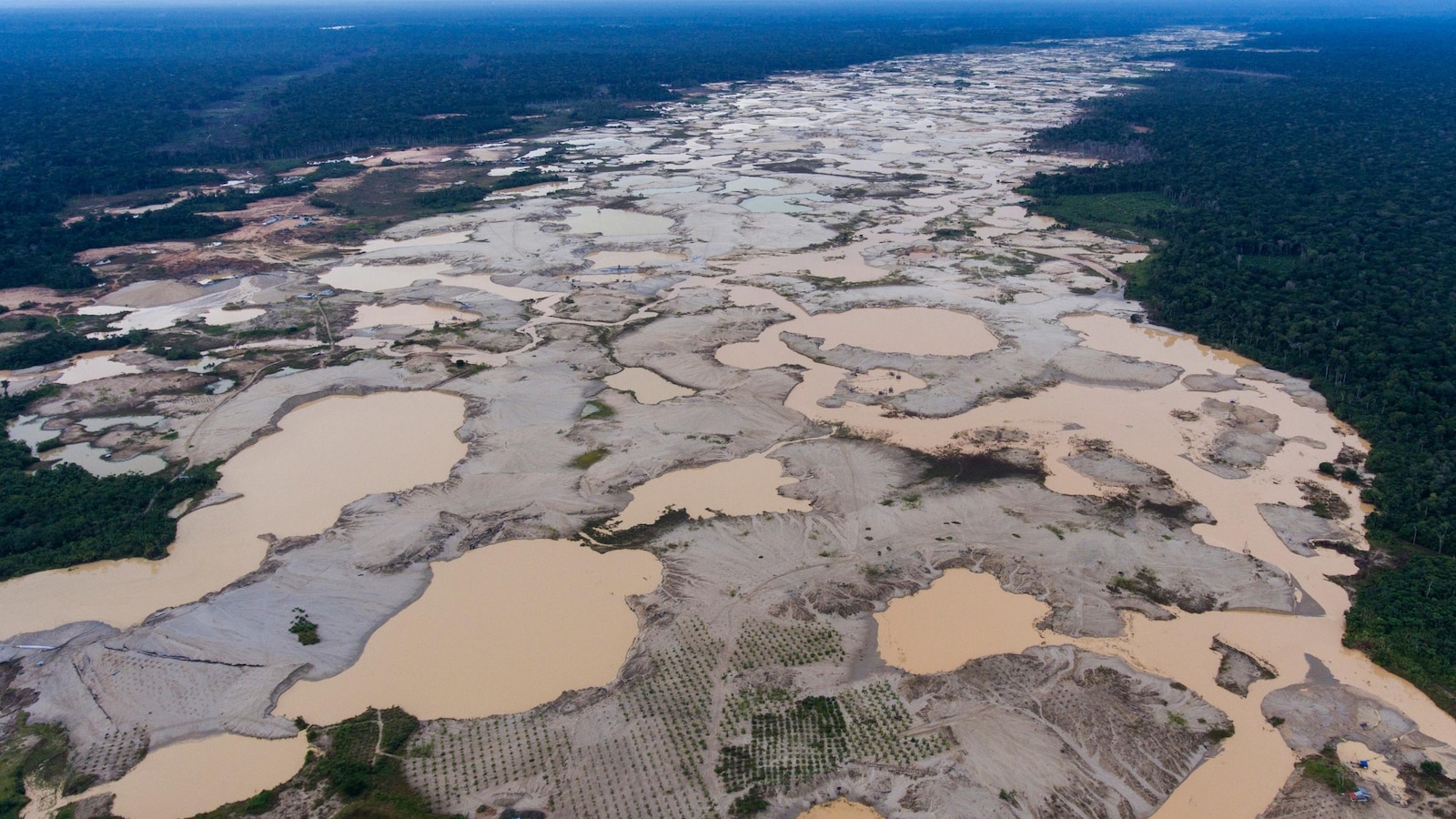
- Illegal mining drives significant deforestation and mercury pollution, posing severe health risks and impacting vital ecosystems like the Amazon.
- Peru is a major gold producer, and unregulated mining, often linked to organized crime, has expanded due to high gold prices and weak state control.
- Environmental groups and indigenous communities express frustration over the lack of concrete plans to address the crisis from political candidates.
- Mercury used in gold extraction contaminates food chains, causing neurological damage in local populations, particularly indigenous communities.
- Future government actions, including ministerial appointments and legislative initiatives, will be crucial in determining the response to this crisis.
Overview
Peruvians are preparing to elect a new president and Congress, yet the pressing issue of illegal mining, a significant contributor to deforestation and mercury pollution, has received minimal attention during the campaign. This oversight is particularly concerning given Peru's status as a major gold producer and the extensive environmental damage caused by unregulated mining operations. The election on Sunday presents a critical juncture for the nation, but candidates have largely failed to present concrete plans to address this escalating crisis, leaving environmental advocates and affected communities deeply concerned about the future.
Illegal mining activities are widespread across Peru, impacting vital ecosystems, including the Amazon rainforest. These operations often involve the use of mercury, which contaminates rivers and soil, posing severe health risks to local populations and wildlife. Despite the clear and present danger, the political discourse leading up to the election has largely sidestepped this complex issue, focusing instead on other economic and social concerns. This lack of political will to tackle illegal mining highlights a significant gap in the candidates' platforms, potentially perpetuating the environmental degradation.
Background & Context
Peru has a long history of mining, with the sector being a cornerstone of its economy. However, the rise of illegal mining has created a parallel, unregulated industry that operates outside environmental and labor laws. This illicit activity is often linked to organized crime and has expanded significantly in recent decades, driven by high gold prices and a lack of effective state control in remote regions. The government's previous efforts to formalize miners have met with limited success, often due to the complex socio-economic factors driving individuals into illegal operations.
The environmental consequences of illegal mining are dire and well-documented. Deforestation rates in areas like Madre de Dios, a region heavily impacted by gold mining, are among the highest in the Peruvian Amazon. The mercury used in gold extraction bioaccumulates in the food chain, leading to neurological damage and other health problems for indigenous communities and others who rely on contaminated fish and water sources. This ongoing crisis underscores the urgent need for robust policy interventions and enforcement mechanisms.
Key Developments
During the current election cycle, candidates have largely avoided detailed discussions or proposals regarding illegal mining. Environmental organizations and indigenous groups have voiced their frustration over this omission, emphasizing the need for a comprehensive national strategy. They argue that any new administration must prioritize sustainable development and strengthen environmental regulations to protect the country's natural resources and the health of its citizens. The absence of specific policy commitments from leading candidates suggests a continued struggle for effective governance in affected areas.
Reports indicate that illegal mining operations often thrive in regions where state presence is weak, exacerbating social conflicts and human rights abuses. The economic incentives for illegal miners are strong, making it challenging to dismantle these networks without addressing the underlying poverty and lack of alternative livelihoods. Experts suggest that a multi-faceted approach, combining law enforcement with social programs and economic diversification, is essential for any successful intervention. However, such comprehensive plans have been conspicuously absent from the electoral debate.
Perspectives
Environmental activists and indigenous leaders consistently highlight the devastating impact of illegal mining on their lands and communities. They advocate for stronger environmental protections, greater enforcement against illegal operations, and support for sustainable economic alternatives for affected populations. They argue that the long-term costs of environmental degradation and public health crises far outweigh any short-term economic gains from unregulated mining. The lack of political attention to these concerns is seen as a failure of leadership and a disregard for the well-being of vulnerable communities.
Conversely, some informal miners, often driven by economic necessity, view their activities as their only means of survival. While acknowledging environmental concerns, they often seek formalization processes that are accessible and provide legal recognition without imposing overly burdensome regulations. The challenge for any incoming government will be to balance environmental protection with the socio-economic realities faced by these communities, a balance that current political discourse has yet to effectively address.
What to Watch
Following Sunday's election, observers will be closely monitoring whether the newly elected president and Congress will shift their focus to address the illegal mining crisis. Key indicators will include the appointment of environmental ministers, the allocation of resources to enforcement agencies, and the introduction of new legislative proposals. The effectiveness of any future government's approach will depend on its ability to develop and implement a comprehensive strategy that tackles both the environmental destruction and the socio-economic drivers of illegal mining, while also engaging with affected communities and international partners.
Found this story useful? Share it:
Sources (1)
Abcnews.com
"Peru election highlights lack of plans to tackle illegal mining despite growing environmental crisis"
April 11, 2026