
1990 'Teenage Mutant Ninja Turtles' Film's Dark Tone Attributed to Advanced Creature Shop Costumes
AI-Summarized Article
ClearWire's AI summarized this story from Screen Rant into a neutral, comprehensive article.
Key Points
- The 1990 'Teenage Mutant Ninja Turtles' film achieved a dark tone largely due to Jim Henson's Creature Shop costumes.
- These costumes featured state-of-the-art technology, enabling realistic movement and emotional expression for the characters.
- The advanced practical effects allowed for a grittier, more grounded portrayal of the Turtles, distinct from the animated series.
- The realism of the costumes enhanced the film's ability to explore mature themes like urban decay and crime.
- The film's success demonstrated that a darker, more serious interpretation of the franchise could resonate with audiences.
Overview
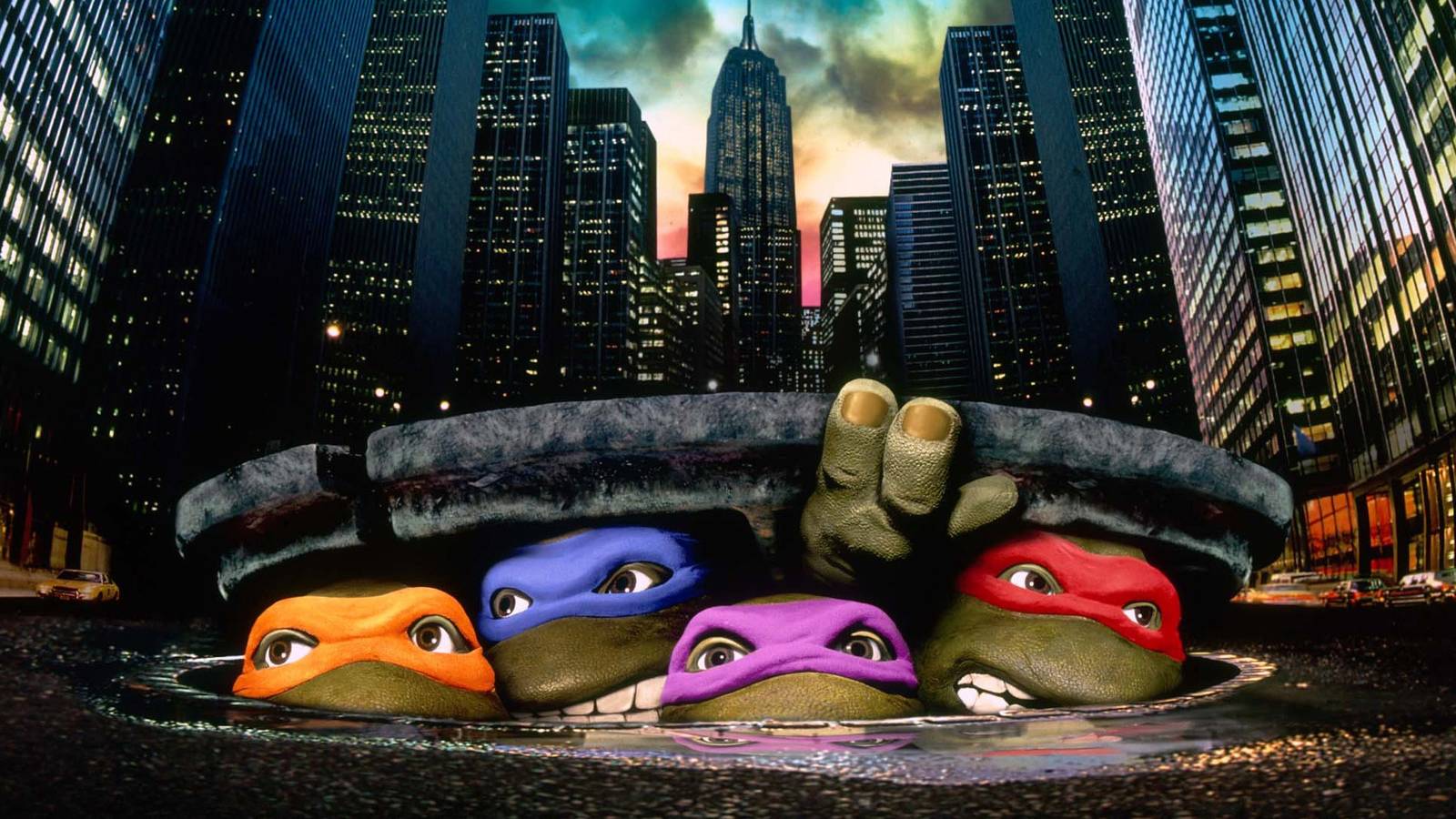
The 1990 live-action film "Teenage Mutant Ninja Turtles" achieved a notably dark tone, a characteristic often overlooked by fans, primarily due to the sophisticated costume work by Jim Henson's Creature Shop. These advanced costumes allowed for unprecedented levels of character movement and emotional expression, contributing significantly to the film's gritty aesthetic. The realistic portrayal of the Turtles, combined with the film's mature themes, distinguished it from its animated counterparts and established a unique cinematic identity.
This darker interpretation was a deliberate artistic choice, enhancing the narrative depth and the visual impact of the characters. The film's success demonstrated that a more grounded approach to the beloved franchise could resonate with audiences, despite its departure from the lighter, more comedic television series. The practical effects were central to conveying the Turtles' physical presence and the intensity of their struggles against the Foot Clan.
Background & Context
Prior to the 1990 film, the "Teenage Mutant Ninja Turtles" franchise was predominantly known through its popular animated television series, which adopted a significantly lighter and more comedic tone. This animated version, while immensely successful, presented a sanitized version of the original comic books, which were often grittier and more violent. The live-action film aimed to bridge this gap, drawing inspiration from the original Mirage Comics' darker sensibilities while still appealing to a broad audience.
The involvement of Jim Henson's Creature Shop was a critical factor in achieving this balance. Their reputation for creating lifelike and expressive practical effects provided the filmmakers with the tools to realize a more serious vision for the Turtles. This commitment to practical effects over early CGI allowed for a tangible, physical presence that grounded the fantastical elements of the story in a more believable reality, influencing the overall mood and audience perception.
Key Developments
The state-of-the-art technology employed by Jim Henson's Creature Shop enabled the creation of costumes that were not merely static props but dynamic extensions of the performers. These suits incorporated intricate animatronics and flexible materials, allowing the actors to convey a wide range of emotions and perform complex physical actions. This technological advancement was crucial for portraying the Turtles as formidable, yet vulnerable, characters rather than cartoonish figures.
The enhanced realism of the costumes directly contributed to the film's darker atmosphere. The detailed textures, expressive facial movements, and fluid body language of the Turtles made their struggles and the threats they faced feel more immediate and impactful. This visual fidelity allowed the film to explore more mature themes, such as urban decay, crime, and the challenges of adolescence, with a gravity that a less realistic portrayal might not have achieved.
Perspectives
The film's darker tone, facilitated by the realistic costumes, offered a distinct perspective on the "Teenage Mutant Ninja Turtles" universe, appealing to both existing fans and new audiences. It demonstrated that the franchise could successfully navigate different tonal approaches, moving beyond its animated incarnation's comedic focus. This artistic choice provided a more serious, almost dramatic, interpretation of the characters and their world, which resonated with viewers seeking a deeper engagement with the story.
This approach also highlighted the capabilities of practical effects in creating immersive cinematic experiences, even as digital effects were beginning to emerge. The tangible nature of the Creature Shop's work created a sense of authenticity that many viewers found compelling, contributing to the film's enduring legacy as a significant entry in the superhero genre. The film's success underscored the value of detailed character design in shaping narrative tone.
What to Watch
Future adaptations of the "Teenage Mutant Ninja Turtles" franchise will continue to grapple with balancing its inherent humor with potentially darker themes. The impact of practical effects, as seen in the 1990 film, remains a benchmark for character realism and emotional depth. Audiences will likely continue to evaluate new iterations based on their ability to capture a compelling tone, whether through advanced practical effects or evolving CGI techniques.
Found this story useful? Share it:
Sources (1)
Screen Rant
"The Original 1990 Teenage Mutant Ninja Turtles Film Was Seriously Dark For One Reason Fans Miss"
April 11, 2026