
Skeletal Remains of at Least 11 Individuals Discovered in Hidden Graves in Western Mexico
AI-Summarized Article
ClearWire's AI summarized this story from CBS News into a neutral, comprehensive article.
Key Points
- Skeletal remains of at least 11 people were found in hidden graves in western Mexico.
- The discovery occurred in a rural lot in Ixtlahuacan, a suburb of Guadalajara, Jalisco state.
- Jalisco is a region significantly affected by organized crime and a high number of disappearances.
- Forensic teams are working to identify the victims and determine the circumstances of their deaths.
- The finding highlights Mexico's ongoing crisis of missing persons and clandestine burial sites.
Overview
Skeletal remains belonging to at least 11 individuals have been discovered in hidden graves located in western Mexico. Local authorities confirmed the findings on Thursday, indicating a significant development in ongoing efforts to locate missing persons in the region. The discovery was made in a rural lot within Ixtlahuacan, a suburb situated near Guadalajara, the capital city of Jalisco state.
This finding adds to the grim tally of clandestine burial sites uncovered in Mexico, particularly in states grappling with high rates of violence and disappearances. The investigation is currently underway to identify the victims and determine the circumstances surrounding their deaths. Authorities are working to process the scene and gather forensic evidence to aid in these crucial identification efforts.
Background & Context
Jalisco state has unfortunately become a focal point for such discoveries, largely due to the pervasive presence and activities of organized crime groups. These groups frequently engage in violent conflicts, leading to a high number of disappearances and homicides. Clandestine graves are often used by criminal organizations to dispose of victims, making the identification of missing persons a challenging and heartbreaking task for families and authorities alike.
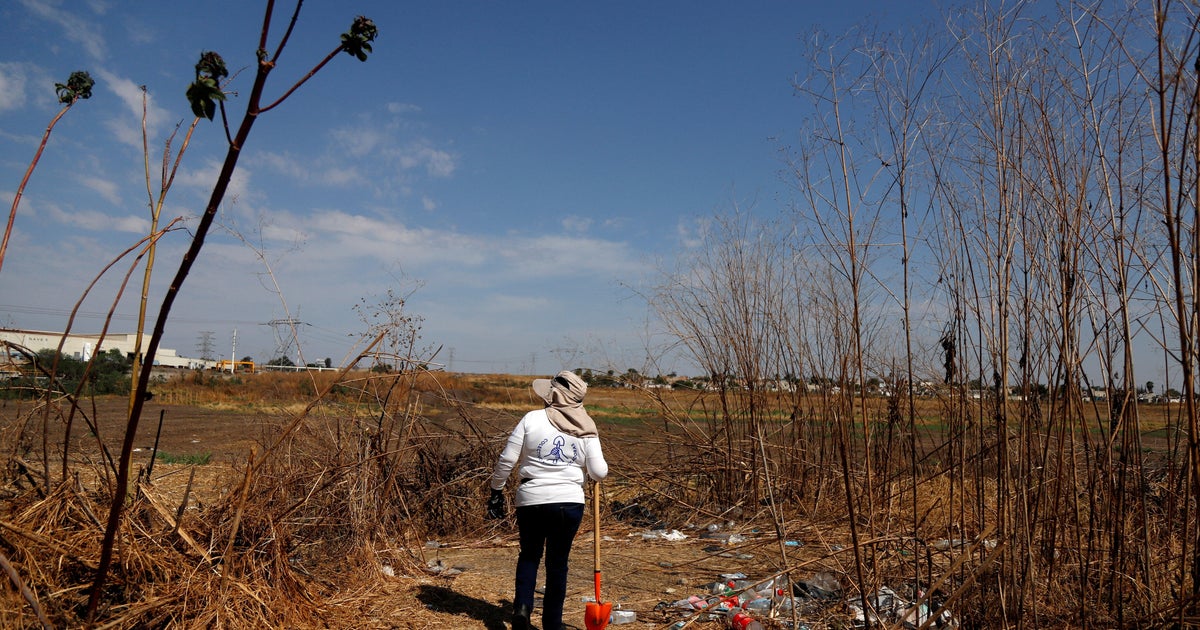
Mexico has been grappling with an escalating crisis of disappearances, with tens of thousands of individuals reported missing nationwide. The search for these missing persons often falls to volunteer groups, many of whom are composed of mothers and family members tirelessly searching for their loved ones. These groups frequently lead efforts to locate and excavate clandestine burial sites, often with limited official support.
Key Developments
The discovery was specifically made in a rural area of Ixtlahuacan, highlighting the remote nature of some of these burial sites. The initial report from local authorities specified that the remains were skeletal, indicating that the individuals had been buried for some time. Forensic teams have been deployed to the site to meticulously excavate the graves and recover all available evidence.
The Jalisco state prosecutor's office is leading the investigation into the discovery. Their work will involve forensic anthropology to determine the age, sex, and potential causes of death for each individual. The primary objective is to identify the victims and then link these findings to existing missing persons reports, providing closure to affected families.
Perspectives
The discovery underscores the profound human cost of organized crime and the ongoing crisis of disappearances in Mexico. For families of missing persons, each new grave site brings a mix of dread and hope—dread that their loved one might be among the unidentified, but hope for some form of closure. Civil society organizations continue to advocate for greater government resources and more effective strategies to address the issue of forced disappearances and the identification of remains.
The repeated discovery of such sites also puts pressure on Mexican authorities to enhance their investigative capabilities and ensure justice for victims. The international community often monitors these situations, calling for human rights protections and accountability for those responsible for these crimes. The scale of the problem necessitates a multi-faceted approach involving law enforcement, forensic science, and strong support for victim families.
What to Watch
Future developments will focus on the ongoing forensic analysis to identify the 11 individuals found in Ixtlahuacan. Updates are expected from the Jalisco state prosecutor's office regarding the identification process and any potential leads in the investigation. Observers will also be watching for any further discoveries of clandestine graves in the region, as well as the sustained efforts of search groups and government agencies to address Mexico's widespread missing persons crisis.
Found this story useful? Share it:
Sources (1)
CBS News
"Bodies of at least 11 people found in hidden graves in western Mexico"
April 10, 2026