
Rhondda Drug Dealer Jailed After Photo of Cosmetic Dental Work Linked to Evidence
AI-Summarized Article
ClearWire's AI summarized this story from BBC News into a neutral, comprehensive article.
Key Points
- Coran Davies, 23, was sentenced to four years in prison for drug dealing offenses.
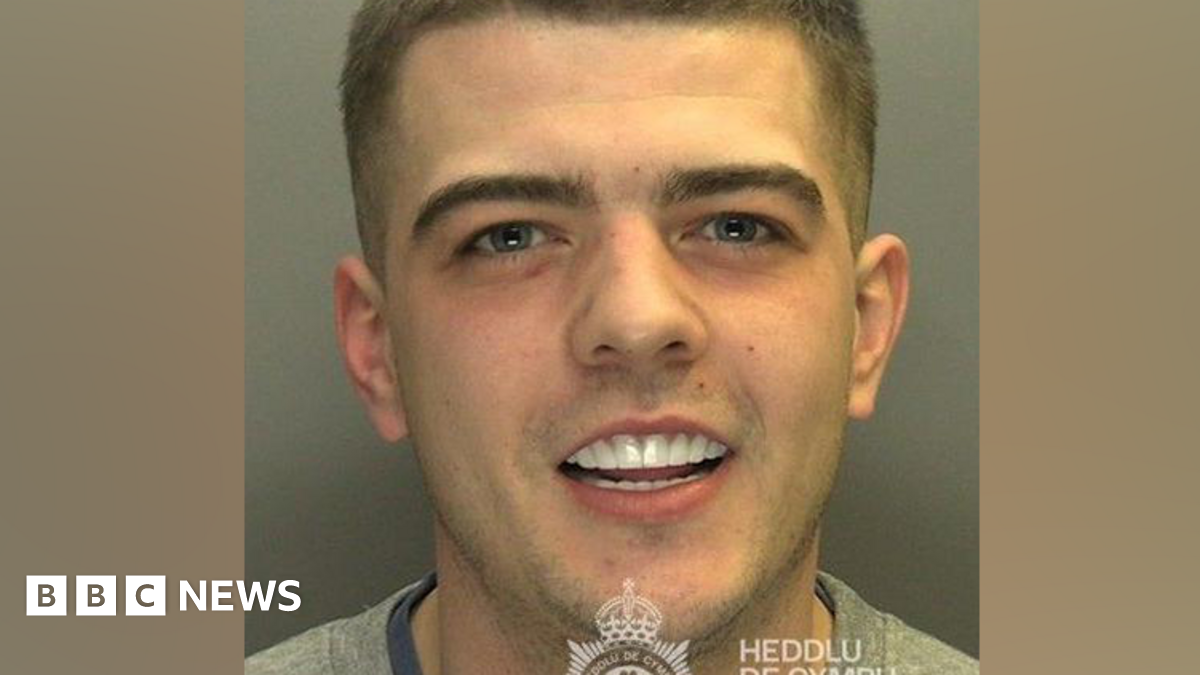
- A photograph of his 'Turkey teeth' sent to a friend became crucial evidence in his conviction.
- The photo was found on a friend's confiscated phone, linking Davies to drug-related messages.
- The incident highlights the role of digital evidence and forensics in modern criminal investigations.
Overview
Coran Davies, a 23-year-old man, has been sentenced to four years in prison for drug dealing offenses. His conviction was significantly aided by a photograph he sent of his newly acquired "Turkey teeth" to a friend. This image was later discovered by authorities on a confiscated mobile phone, providing crucial evidence linking him to the illicit drug trade. The incident highlights how seemingly innocuous personal communications can become instrumental in criminal investigations.
The photograph, which showed Davies's distinctive new teeth, was found on a phone seized from another individual during a separate police operation. This discovery allowed law enforcement to connect Davies to drug-related messages and activities found on the device. The evidence gathered ultimately led to his arrest and subsequent sentencing, underscoring the role of digital forensics in modern policing.
Background & Context
Davies's case is part of a broader trend where digital footprints, often inadvertently left by individuals, become critical in prosecuting criminal activity. The term "Turkey teeth" refers to cosmetic dental procedures, typically veneers or crowns, often sought in countries like Turkey due to lower costs. While the procedure itself is legal, Davies's decision to share a photo of his new teeth with an associate whose phone was under police scrutiny proved to be a significant misstep in his criminal enterprise.
Police investigations increasingly rely on data extracted from mobile phones and other digital devices. This case exemplifies how personal communications, even those seemingly unrelated to criminal acts, can provide vital intelligence. The context of the friend's phone being confiscated suggests an ongoing police operation that then serendipitously uncovered evidence against Davies.
Key Developments
The primary development in this case was the discovery of the "Turkey teeth" photograph on a confiscated mobile phone. This image served as a unique identifier, allowing police to confirm Davies's identity and connect him to drug dealing messages found on the device. The evidence gathered from the phone detailed his involvement in supplying controlled substances.
Following the identification, authorities proceeded with an investigation that culminated in Davies's arrest. He was subsequently charged with drug offenses related to his dealing activities. The prosecution presented the photographic evidence and associated messages as central to their case, demonstrating Davies's active role in the drug trade.
Perspectives
This case serves as a cautionary tale regarding digital communication and privacy, particularly for those involved in illicit activities. Law enforcement agencies view such incidents as successes in leveraging digital evidence to disrupt criminal networks. It reinforces the message that digital data, once created and shared, can be accessed and used by authorities, regardless of the sender's intentions.
The outcome underscores the increasing sophistication of police in utilizing digital forensics. For individuals involved in criminal enterprises, it highlights the inherent risks associated with sharing personal information, even seemingly trivial details, through digital channels. The case also implicitly warns about the interconnectedness of criminal networks, where one individual's capture can lead to others.
What to Watch
While Davies has been sentenced, the broader implications of digital evidence in criminal cases continue to evolve. Future developments may include increased public awareness campaigns regarding digital footprints and privacy, as well as ongoing advancements in forensic technology used by law enforcement. The legal framework surrounding the seizure and analysis of digital devices will also continue to be a subject of discussion and refinement. This case may serve as a precedent for similar investigations where personal identifiers inadvertently lead to arrests. The ongoing efforts to combat drug dealing in the Rhondda area will likely continue to utilize such digital investigative techniques. The sentencing concludes this particular legal proceeding.
Found this story useful? Share it: