
Hezbollah's Involvement in Israel-Hamas Conflict Complicates Regional Resolution Efforts
AI-Summarized Article
ClearWire's AI summarized this story from Bloomberg into a neutral, comprehensive article.
Key Points
- Hezbollah initiated rocket and drone attacks against Israel on October 8th, escalating the regional conflict.
- Hezbollah's involvement broadened the conflict beyond Gaza, creating a second front for Israel on its northern border.
- The Lebanese militia's actions are seen as a direct extension of Iran's regional influence and support for Hamas.
- Decades of tension and the 2006 Lebanon War provide critical context to the current Israel-Hezbollah conflict.
- Ongoing exchanges of fire have displaced thousands and raised international concerns about a wider regional war.
- Future developments are closely tied to the Gaza conflict's resolution and diplomatic efforts for de-escalation.
Overview
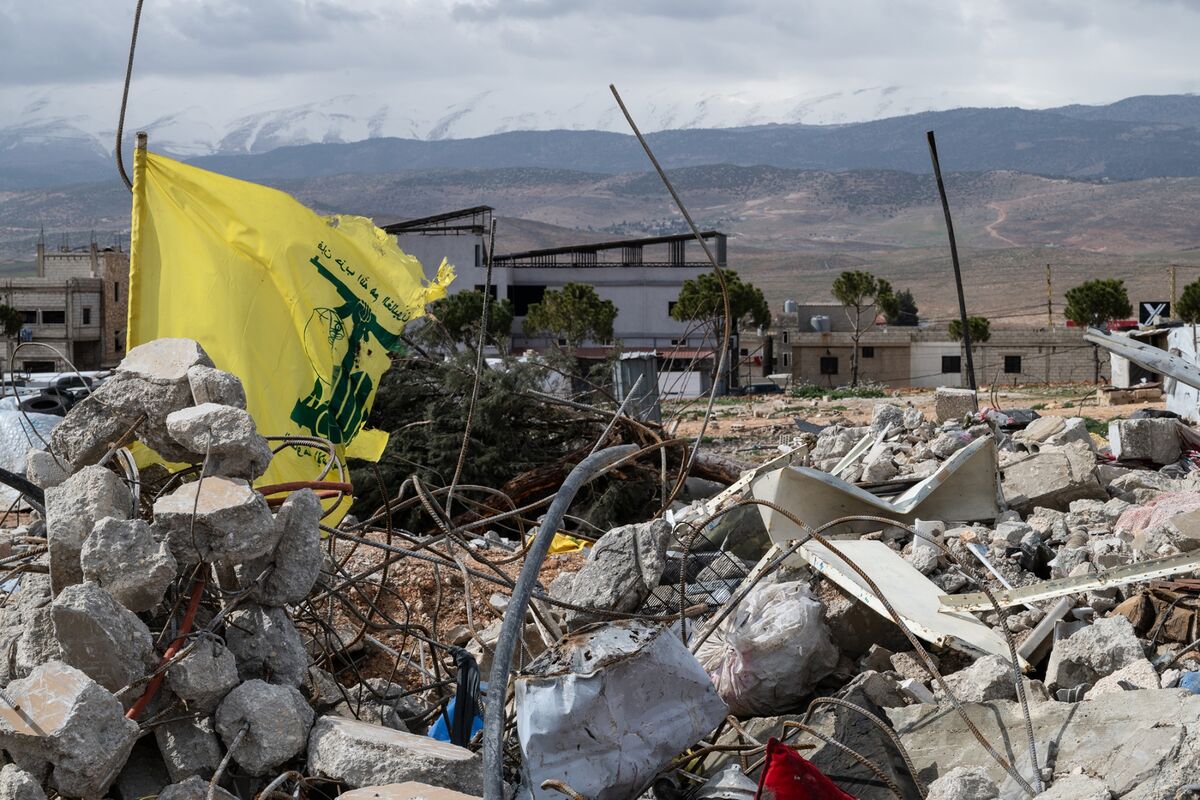
Hezbollah, a Lebanese militia, initiated rocket and drone attacks against Israel shortly after the October 7th conflict began, escalating what Israeli officials initially perceived as a localized crisis. This involvement has significantly broadened the scope of the conflict, intertwining the Gaza situation with the long-standing tensions between Israel and Hezbollah. The actions of Hezbollah have added a critical and complex dimension to the regional instability, making any potential resolution more challenging.
This escalation has drawn international attention to Lebanon's northern border, creating a second front for Israel and raising concerns about a wider regional war. The initial assessment by Israeli officials that the crisis was contained to Gaza was quickly overturned by Hezbollah's entry, signaling a broader, interconnected challenge involving Iran-backed proxies. The ongoing exchanges of fire have displaced thousands on both sides of the border and continue to pose a substantial threat to regional stability.
Background & Context
The relationship between Israel and Hezbollah has been marked by decades of conflict, including the 2006 Lebanon War. Hezbollah, a powerful political party and armed group in Lebanon, is heavily backed by Iran and possesses a significant arsenal of rockets and missiles. Its presence along Israel's northern border has long been a strategic concern for Israel, and its involvement in the current conflict is seen as a direct extension of Iran's regional influence.
This historical context is crucial for understanding the current dynamics, as Hezbollah's actions are not isolated but rather part of a larger proxy network aligned against Israel. The group's military capabilities and political sway within Lebanon mean that its decisions have profound implications for both Lebanese sovereignty and regional security. Its engagement transforms what might have been a bilateral conflict into a multi-front regional confrontation.
Key Developments
Hezbollah's initial attacks on Israel commenced on October 8th, the day after the Hamas assault, involving rockets and drones targeting Israeli positions. These actions were explicitly framed by Hezbollah as support for Hamas and a response to Israeli operations in Gaza. The intensity of these exchanges has varied, but they have consistently maintained a low-to-medium level of conflict, preventing a full-scale war but keeping tensions extremely high.
Israel has responded to Hezbollah's attacks with targeted strikes in southern Lebanon, aiming to degrade the group's capabilities and deter further escalation. Both sides have suffered casualties, and civilian populations on both sides of the border have been significantly affected, with many forced to evacuate their homes. The ongoing skirmishes have led to calls for de-escalation from international actors, who fear the potential for a catastrophic regional conflagration.
Perspectives
From Israel's perspective, Hezbollah's involvement represents a direct threat to its northern border and is part of a broader Iranian strategy to destabilize the region. Israeli officials view the attacks as a violation of sovereignty and a challenge that must be addressed to ensure national security. The presence of Hezbollah's forces near the border is seen as an unacceptable risk, particularly in light of the October 7th events.
Hezbollah, conversely, frames its actions as resistance against Israeli aggression and solidarity with Palestinians. Its leadership has stated that the attacks will continue as long as Israeli operations in Gaza persist. This stance aligns with Iran's broader regional strategy, which seeks to project influence through allied non-state actors. The international community largely views Hezbollah's involvement as a dangerous expansion of the conflict, urging restraint from all parties to prevent a wider war.
What to Watch
Future developments will hinge on the intensity and duration of the conflict in Gaza, as Hezbollah has tied its actions directly to those events. Observers should monitor diplomatic efforts aimed at de-escalation along the Israel-Lebanon border, including potential cease-fire negotiations or proposals for buffer zones. Any significant shift in the scale of attacks from either side could dramatically alter the regional security landscape and warrant close attention.
Found this story useful? Share it:
Sources (1)
Bloomberg
"Why the Lebanon Conflict Complicates Resolution of the Iran War"
April 10, 2026