
Landlord Seeks Early Occupancy of Rental Unit, Tenants Resist Due to Existing Lease Agreement
AI-Summarized Article
ClearWire's AI summarized this story from Twistedsifter.com into a neutral, comprehensive article.
Key Points
- A landlord is seeking to move into her rental unit before the current tenants' lease expires.
- The tenants are refusing to vacate prematurely, asserting their right to stay until the lease concludes.
- The dispute highlights the conflict between a landlord's personal needs and tenants' contractual rights.
- Lease agreements are legally binding contracts protecting both landlords and tenants for a specified term.
- Early lease termination typically requires mutual agreement or specific clauses within the original contract.
- The situation underscores the importance of understanding local tenancy laws for both parties.
Overview
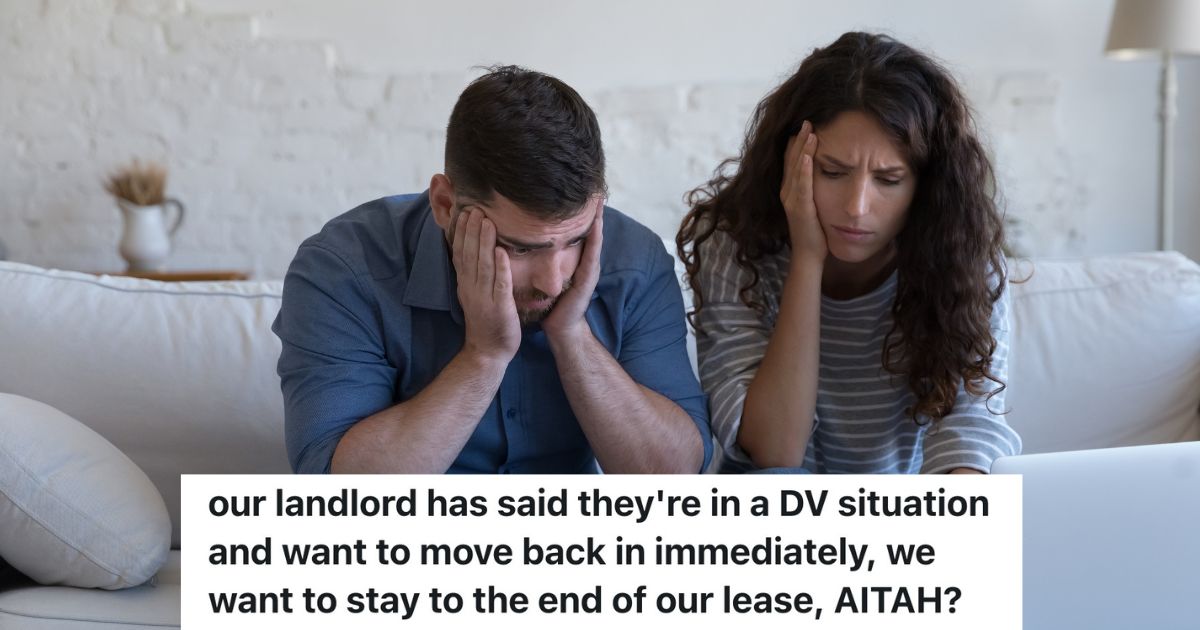
A landlord is reportedly seeking to move into her rental property before the current tenants' lease agreement has concluded. The tenants, who had planned for a longer stay, are resisting the landlord's request, asserting their right to remain in the unit until their lease term is fulfilled. This situation highlights potential conflicts arising when property owners wish to reclaim their residences for personal use while an active rental contract is in place.
The core of the dispute centers on the legal enforceability of a lease agreement versus a landlord's personal need for the property. The tenants' refusal to vacate prematurely underscores the importance of contractual obligations in rental housing. This scenario, originating from a discussion on Reddit, reflects a common challenge faced by both landlords and renters regarding property rights and tenancy agreements.
Background & Context
Rental agreements, or leases, are legally binding contracts that outline the terms and conditions of a tenancy, including the duration of occupancy. These agreements are designed to protect both the landlord and the tenant, providing stability for the tenant and predictable income for the landlord. Early termination clauses or mutual agreements are typically required for a lease to be broken before its stated end date without legal repercussions.
In many jurisdictions, a landlord's desire to occupy their property for personal use does not automatically grant them the right to terminate an existing lease prematurely, unless specific provisions for such an event were included in the original contract. This legal framework aims to prevent arbitrary evictions and ensure housing security for tenants, emphasizing the sanctity of the lease agreement as a primary legal document governing the tenancy.
Key Developments
The landlord has reportedly expressed her intention to move into the unit, signaling her desire for the tenants to vacate before their lease expires. The tenants, however, are standing firm on their contractual rights, indicating they do not intend to move out until the lease term is completed. This stance creates a direct conflict between the landlord's personal housing needs and the tenants' legal right to occupancy.
The situation, as presented, does not indicate any mutual agreement for early termination or compensation discussions. Instead, it suggests a unilateral demand from the landlord met with resistance from the tenants. The lack of resolution points to a potential legal or mediation process should either party choose to pursue it, underscoring the importance of understanding tenant and landlord rights within their local legal framework.
Perspectives
From the landlord's perspective, there may be an urgent or compelling personal reason to reoccupy her property, potentially stemming from unforeseen circumstances or a change in personal housing needs. She might view the property as her own and believe she should have the right to use it when needed, despite the existing lease. This perspective often clashes with the legal protections afforded to tenants.
Conversely, the tenants are relying on the legal protections provided by their lease, which guarantees their right to reside in the property for a specified period. Moving prematurely can incur significant financial costs, logistical challenges, and disruption to their lives, which they are not obligated to accept without a legally sound reason or mutually agreed-upon terms. Their refusal highlights the expectation that contractual agreements will be honored.
What to Watch
Future developments will likely depend on whether the landlord pursues legal action to reclaim the property or if a mutually agreeable resolution can be reached. Tenants should monitor their local tenancy laws regarding landlord-initiated early lease terminations and their rights to remain in the property. The outcome could set a precedent for similar disputes in the community, emphasizing the importance of clear lease terms.
Found this story useful? Share it:
Sources (1)
Twistedsifter.com
"Landlord Wants To Move Into Her Rental Unit, But The Family Renting The Unit Doesn’t Want To Move Out Until Their Lease Is Up"
April 10, 2026