
Economic Impacts and Diplomatic Tensions Amidst Escalating Iran-U.S. Conflict
AI-Synthesized from 3 Sources
ClearWire's AI read coverage of this story from CBS News, Hurriyet Daily News, The Wall Street Journal and synthesized a single balanced, unbiased summary that cites each outlet where their reporting differs.
Key Points
- The first CPI reading since the Iran conflict began shows the hottest increase for consumer prices in two years, according to The Wall Street Journal.
- Farmers are reacting to high gas prices, which CBS News links to "Trump's Iran war."
- President Trump stated that Iran has "no cards" in upcoming talks with the U.S., as reported by Hurriyet Daily News.
- Trump acknowledged Iran's effective control over the Strait of Hormuz as its only significant leverage, according to Hurriyet Daily News.
- CBS News and The Wall Street Journal both refer to an ongoing "Iran war" or conflict initiated by the Trump administration.
- Economic impacts, including rising consumer and gas prices, are a direct consequence of the geopolitical tensions.
Overview
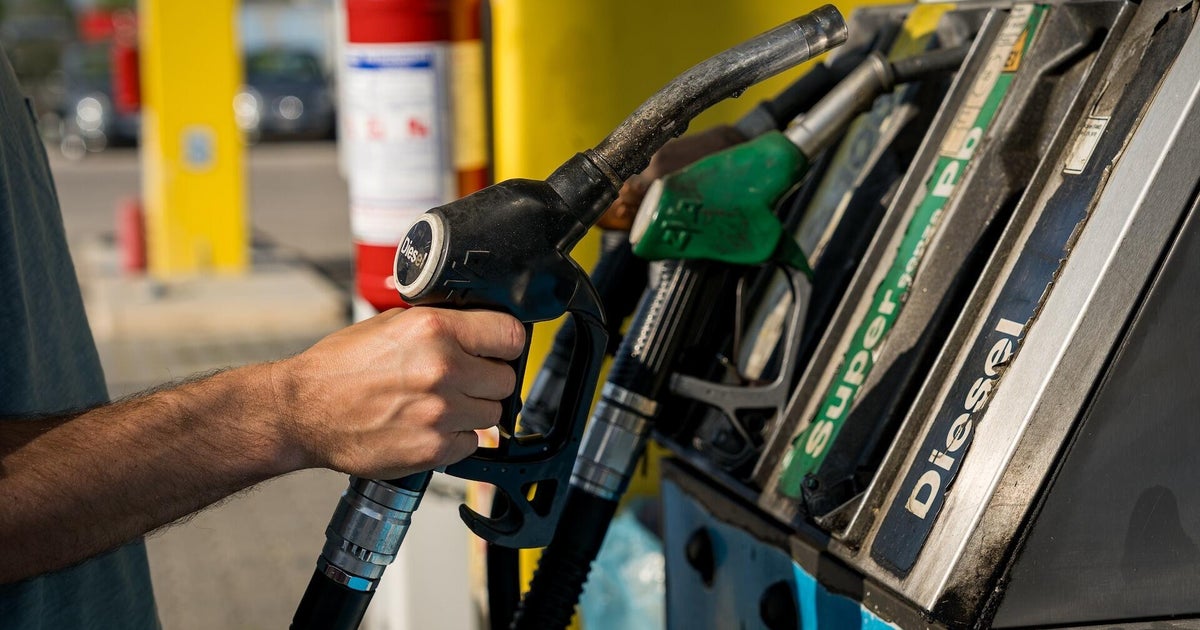
Recent developments indicate a confluence of economic impacts and diplomatic posturing related to an ongoing conflict involving Iran and the United States. Consumer prices have seen a significant increase, with the first Consumer Price Index (CPI) reading since the conflict began showing the hottest increase in two years, as reported by The Wall Street Journal. This economic indicator suggests a direct financial consequence of the geopolitical tensions. Simultaneously, farmers are reportedly reacting to high gas prices, an issue CBS News links to what it describes as "Trump's Iran war."
Amidst these economic concerns, diplomatic rhetoric remains tense. President Donald Trump has asserted that Iran possesses "no cards" in potential upcoming talks with the United States, according to Hurriyet Daily News. This statement underscores a perceived imbalance of power or leverage in any future negotiations, as framed by the U.S. administration.
Background & Context
The broader context for these events appears to be an ongoing state of conflict or heightened tensions between the United States under President Trump and Iran. While CBS News explicitly refers to "Trump's Iran war," The Wall Street Journal's headline references the period "since Iran war began," suggesting a recognized conflict. This background sets the stage for both the economic repercussions and the diplomatic exchanges.
Iran's potential leverage in this situation, as highlighted by President Trump's remarks reported by Hurriyet Daily News, centers on its effective control over the Strait of Hormuz. This critical shipping channel is a key strategic asset that could influence global trade and energy markets, providing Iran with a significant, albeit potentially escalatory, bargaining chip.
Key Developments
The economic front has seen notable shifts. The Wall Street Journal reported that the initial CPI reading following the commencement of the Iran conflict indicated the sharpest rise in consumer prices in two years. This suggests a direct and significant inflationary pressure stemming from the geopolitical situation. Farmers are also experiencing economic strain, with CBS News noting their reactions to elevated gas prices, which it directly connects to the ongoing conflict.
On the diplomatic side, President Trump made a definitive statement regarding Iran's position in future negotiations. Hurriyet Daily News quoted President Trump as saying that Iran has "no cards" in upcoming discussions with the United States. The exception to this, as detailed by Hurriyet Daily News, is Iran's effective control over the crucial Strait of Hormuz shipping channel, which remains a key point of potential leverage for Tehran.
Perspectives
The three news outlets present a consistent picture of a conflict involving Iran, though with differing areas of emphasis. CBS News focuses on the domestic economic impact, specifically on farmers and gas prices, attributing these directly to "Trump's Iran war." The Wall Street Journal provides a broader economic perspective, highlighting the significant increase in consumer prices since the conflict began. Hurriyet Daily News, on the other hand, concentrates on the diplomatic rhetoric and President Trump's assessment of Iran's negotiating position, emphasizing the Strait of Hormuz as Iran's primary leverage.
What to Watch
Future developments will likely hinge on further economic data, particularly how consumer prices and gas costs continue to trend in the wake of the conflict. Additionally, any potential talks between the U.S. and Iran, and the role of the Strait of Hormuz in these discussions, will be crucial. The reactions of various economic sectors, such as agriculture, to ongoing price fluctuations will also be important to monitor.
Found this story useful? Share it:
Sources (3)
Hurriyet Daily News
"Trump says Iran has 'no cards' beyond Hormuz control"
April 10, 2026
The Wall Street Journal
"First CPI reading since Iran war began shows hottest increase for consumer prices in two years"
April 10, 2026