President Trump Arrives in China for High-Stakes Summit with Xi Jinping Amid Iran War Concerns
Compiled from 4 Sources
This report draws on coverage from CBS News, BBC News, USA Today and presents a structured, balanced account that notes where outlets differ in their reporting.
Key Points
- President Donald Trump arrived in China on Wednesday evening for a high-stakes summit with President Xi Jinping.
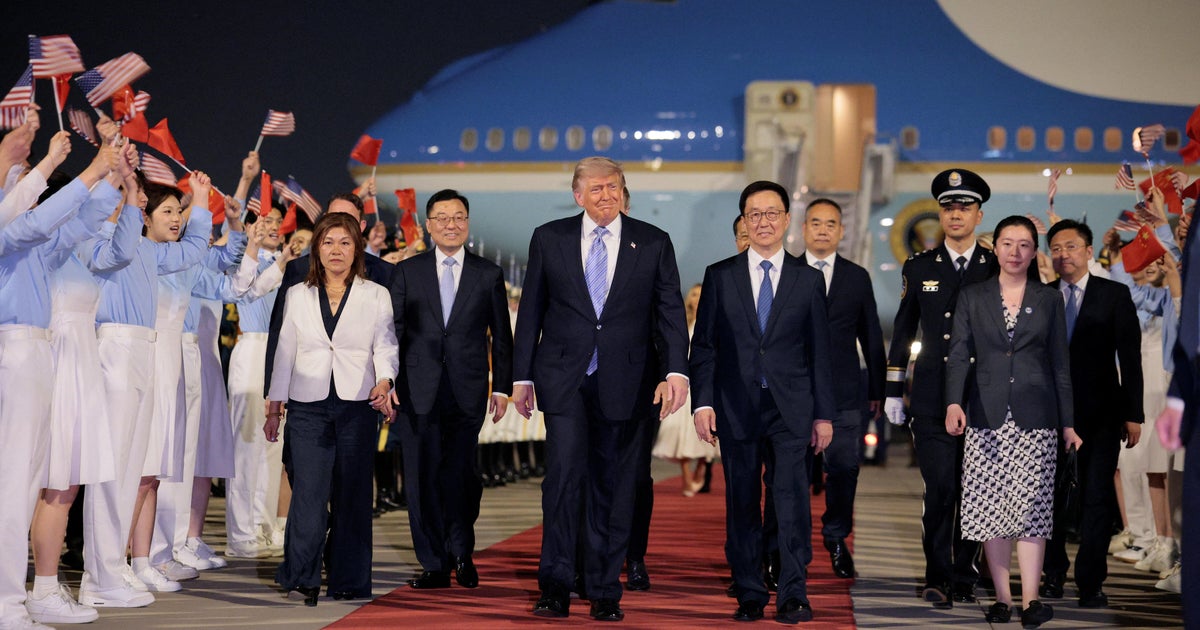
- BBC News reported that Trump was greeted by Chinese Vice-President Han Zheng, interpreted as a show of respect.
- USA Today noted Trump's delegation included over 10 U.S. business leaders, with discussions focused on U.S.-China relations and world peace.
- CBS News headlines emphasized that a 'looming Iran war' is a significant concern overshadowing the summit.
- The summit aims to address critical bilateral and global issues, impacting trade, security, and international diplomacy.
- Differences in coverage include CBS News's emphasis on Iran, BBC News's focus on diplomatic protocol, and USA Today's details on the agenda and delegation.
Introduction
President Donald Trump arrived in China for a high-stakes meeting with President Xi Jinping, a visit that both BBC News and USA Today reported occurred on Wednesday evening. The summit is expected to cover critical bilateral and global issues, including U.S.-China relations and broader discussions on world peace. The timing of this visit is particularly notable, as CBS News headlines indicate that concerns over a looming Iran war are casting a significant shadow over the discussions, adding another layer of complexity to the already sensitive diplomatic agenda. This visit marks a crucial moment for international diplomacy, with potential implications for global stability and economic ties.
Trump's arrival in China was met with a formal welcome, signaling the importance both nations place on this engagement. The discussions between the two leaders are anticipated to delve into various strategic areas, reflecting the intricate relationship between the United States and China. The presence of a U.S. business delegation, as noted by USA Today, underscores the economic dimension of the visit, suggesting that trade and investment will be key components of the agenda alongside geopolitical considerations.
Key Facts
President Donald Trump landed in China on Wednesday evening, as reported by BBC News and USA Today. Upon his exit from the plane, he was greeted by Chinese Vice-President Han Zheng, a detail specifically noted by BBC News, which interpreted this reception as a significant gesture of respect for the U.S. president. USA Today further reported that President Trump arrived with a delegation of over 10 U.S. business leaders. The primary objectives for the discussions, according to USA Today, include China-U.S. relations, world peace, and broader diplomatic engagements.
Both CBS News headlines, "Trump arrives in China as Iran war looms over summit with Xi Jinping" and "How the Iran war could impact Trump's high-stakes meeting with China's Xi," highlight that the potential for conflict in Iran is a significant backdrop to the summit. While the specific agenda items related to Iran were not detailed in the provided content, the consistent mention across CBS News's coverage indicates that this geopolitical concern is a prominent factor influencing the context of the meetings between the two leaders.
Where Sources Differ
Our analysis of how different outlets reported this story
- CBS News frames the context of the summit by emphasizing the potential for an "Iran war" looming over the discussions, while BBC News and USA Today focus primarily on the bilateral meeting between Trump and Xi Jinping without direct mention of Iran in their main content, which matters because CBS News highlights a significant geopolitical crisis as a primary backdrop, suggesting its potential to overshadow or influence the bilateral agenda, whereas the other outlets present a more focused view on the U.S.-China relationship itself.
- BBC News details the specific protocol of Trump's arrival, noting he was greeted by Chinese Vice-President Han Zheng and interpreting this as a "show of respect," while USA Today mentions Trump's arrival and the presence of a U.S. business delegation without elaborating on the specific welcoming party or its symbolic significance, which matters because BBC News provides a nuanced insight into the diplomatic signaling and ceremonial aspects of the visit, offering a deeper understanding of the host nation's intent, while USA Today prioritizes the economic dimension and broader discussion topics.
- USA Today explicitly lists specific discussion points for the summit, including "China-U.S. relations, world peace, and de…" (truncated), and mentions the inclusion of "over 10 U.S. business leaders," while BBC News focuses on the general term "high-stakes meeting" and the diplomatic reception, which matters because USA Today offers concrete details about the agenda and participants, giving readers a clearer picture of the substantive goals of the visit, whereas BBC News provides a more general characterization of the summit's importance.
Why This Matters
This summit directly affects global diplomatic relations, particularly between two of the world's largest economies and geopolitical powers. The leaders and governments of the United States and China are directly involved, with their decisions potentially impacting international trade, security policies, and regional stability. The presence of over 10 U.S. business leaders, as reported by USA Today, indicates that American industries with significant ties to China are directly affected, as the outcomes of trade discussions could lead to new agreements, tariffs, or investment opportunities, potentially altering market access and supply chains for these companies.
Concrete consequences could include shifts in global economic policy, affecting international markets and potentially influencing consumer prices and employment in sectors reliant on U.S.-China trade. The measurable impact of these discussions could manifest in changes to trade volumes, investment flows, or joint diplomatic initiatives over the coming months. For instance, any agreements on trade could be quantified by billions of dollars in goods and services, while diplomatic resolutions could be measured by reduced tensions in specific geopolitical hotspots or increased collaboration on global challenges.
Furthermore, the framing by CBS News regarding the "Iran war" looming over the summit suggests that the precedent set by this meeting could extend beyond bilateral U.S.-China relations, potentially influencing how major powers coordinate or diverge on critical international security issues. The summit's outcome could establish a new precedent for how the U.S. and China engage on sensitive global crises, either fostering greater cooperation or highlighting significant strategic differences, thereby shaping future multilateral responses to international conflicts and challenges.
Full Report
President Donald Trump arrived in China on Wednesday evening for a series of high-stakes meetings with Chinese President Xi Jinping, a visit that both BBC News and USA Today confirmed. The arrival was marked by a notable diplomatic gesture, with BBC News reporting that Trump was greeted by Chinese Vice-President Han Zheng upon exiting his plane. This reception was interpreted by BBC News as a significant "show of respect" for the U.S. president, underscoring the importance China places on the visit and the relationship between the two nations.
USA Today provided additional details regarding the composition and objectives of the U.S. delegation, noting that President Trump was accompanied by over 10 U.S. business leaders. The newspaper indicated that the discussions between the two presidents are slated to cover a range of critical topics, including China-U.S. relations, broader efforts towards world peace, and other diplomatic engagements. These discussions are expected to delve into the complex economic and strategic ties that define the relationship between the two global powers, with a focus on fostering stability and cooperation.
Adding a significant geopolitical dimension to the summit, CBS News highlighted concerns about a potential "Iran war" casting a shadow over the proceedings. Two distinct headlines from CBS News, "Trump arrives in China as Iran war looms over summit with Xi Jinping" and "How the Iran war could impact Trump's high-stakes meeting with China's Xi," consistently emphasized this external factor. While the specific details of how the Iran situation would be addressed were not elaborated in the provided content, CBS News's consistent framing suggests that this regional conflict is a critical backdrop, potentially influencing the tone and substance of the bilateral discussions between Trump and Xi.
The synthesis of these reports indicates a summit with a dual focus: strengthening U.S.-China bilateral ties, particularly in economic and diplomatic spheres, while also navigating complex global security challenges. The formal welcome extended to President Trump, as described by BBC News, sets a tone of diplomatic engagement, while the presence of business leaders, per USA Today, signals the economic priorities. Meanwhile, the looming concern over Iran, as emphasized by CBS News, introduces an urgent global security context that could shape the strategic dialogue between the two leaders, potentially leading to discussions on international coordination or differing approaches to regional stability.
Context & Background
The relationship between the United States and China is one of the most critical and complex bilateral relationships in global politics, characterized by both extensive economic interdependence and significant strategic competition. Prior to this summit, both nations have engaged in ongoing dialogues concerning trade imbalances, intellectual property rights, and geopolitical issues ranging from the South China Sea to cybersecurity. These discussions often involve high-level diplomatic exchanges aimed at managing tensions and identifying areas for cooperation, reflecting a continuous effort to navigate their intertwined interests and divergent priorities.
Economically, the two countries are deeply linked through trade, investment, and global supply chains. The presence of over 10 U.S. business leaders in President Trump's delegation, as reported by USA Today, underscores the ongoing importance of economic ties and the potential for new trade agreements or resolutions to existing disputes. Previous administrations have also engaged in regular summits and strategic dialogues, establishing a precedent for leaders to directly address pressing issues, from climate change to regional security, in an effort to maintain a stable and predictable international environment.
Geopolitically, the summit takes place against a backdrop of evolving global security concerns. The specific mention by CBS News of a "looming Iran war" introduces a critical external factor into the bilateral agenda. This suggests that the U.S. and China, as permanent members of the UN Security Council and major global powers, are expected to discuss or at least acknowledge their roles and perspectives on international crises that have the potential for widespread destabilization. The leaders' ability to find common ground or manage disagreements on such sensitive issues will be a key indicator of the broader health of their relationship and its impact on global peace.
What to Watch Next
Future developments will likely focus on the official communiqués or joint statements released following the conclusion of the summit, which will provide specific details on any agreements reached regarding U.S.-China relations, trade, or broader diplomatic efforts. Observers should monitor any press conferences or public remarks made by President Trump or President Xi in the immediate aftermath, as these will offer initial insights into the tone and substance of the discussions. A key indicator will be any specific commitments or timelines announced for addressing trade imbalances or intellectual property concerns, which could emerge within the next few weeks.
Additionally, the impact of the "Iran war" concerns, as highlighted by CBS News, will be a critical element to watch. Any coordinated or divergent statements from the U.S. and China regarding the situation in Iran, or any diplomatic initiatives that emerge from this summit related to Middle Eastern stability, would be significant. The actions and statements of key decision-makers, such as U.S. Secretary of State and China's Foreign Minister, in the days and weeks following the summit will provide further clarity on the operationalization of any agreements or understandings reached between the two presidents.
Source Attribution
This report draws on coverage from CBS News, BBC News, and USA Today.
Found this story useful? Share it:
Sources (4)
CBS News
"Trump arrives in China as Iran war looms over summit with Xi Jinping"
May 13, 2026
USA Today
"President Trump arrives in China. What to know about his plans"
May 13, 2026
CBS News
"How the Iran war could impact Trump's high-stakes meeting with China's Xi"
May 13, 2026