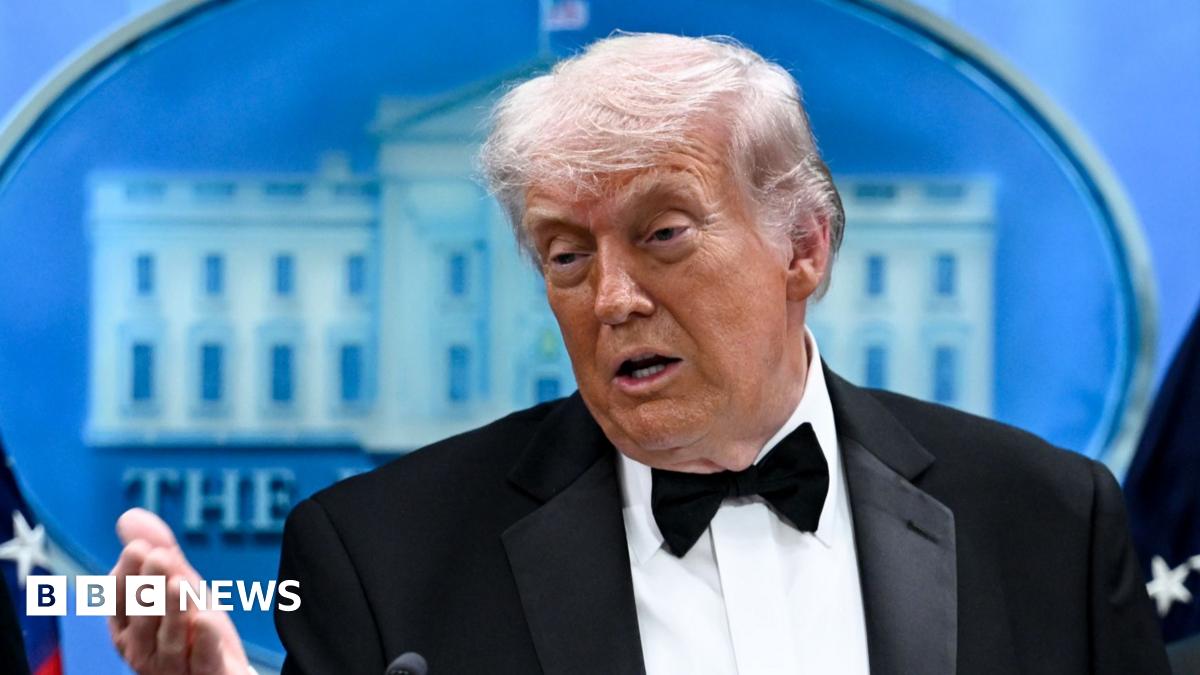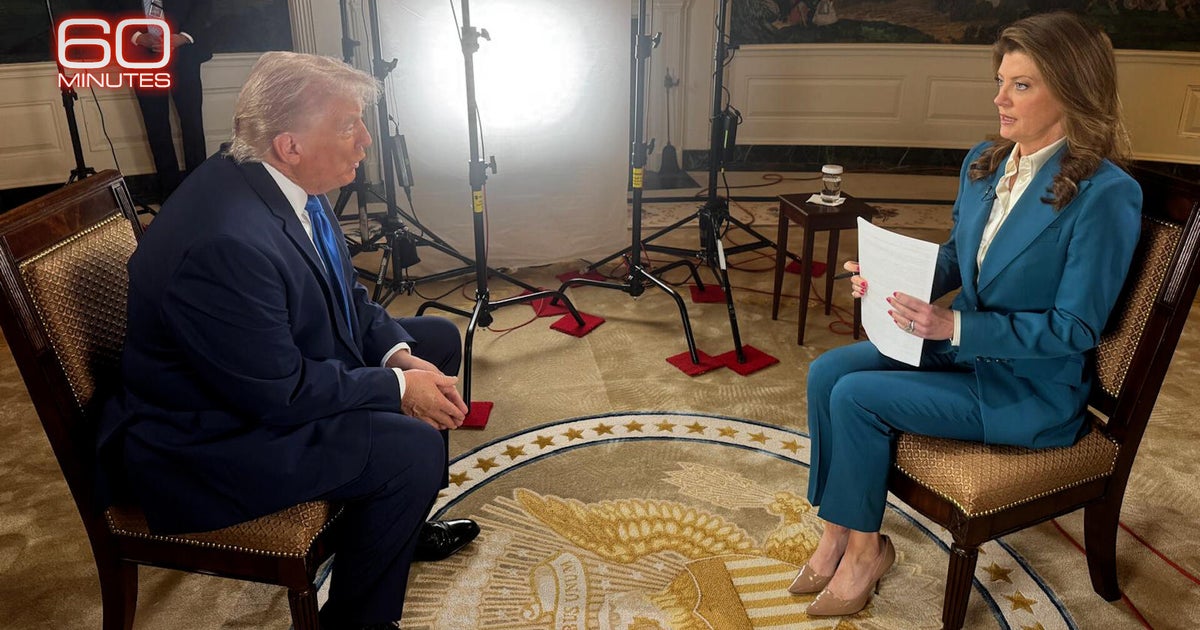
Suspect Charged with Attempted Presidential Assassination at Correspondents' Dinner
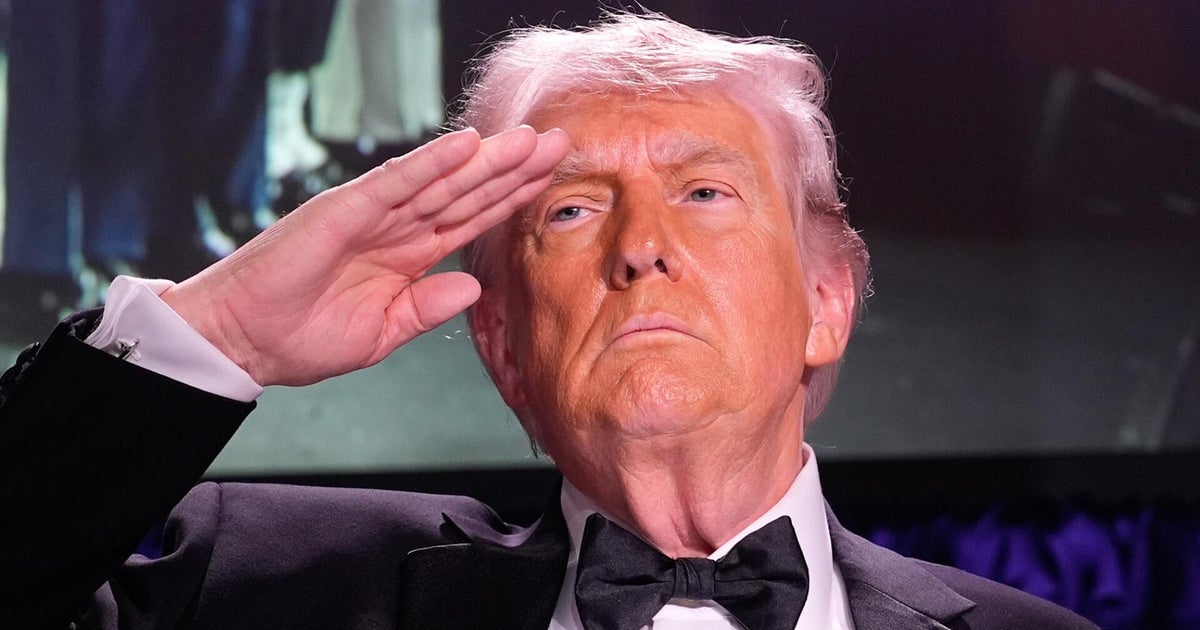
Compiled from 2 Sources
This report draws on coverage from CBS News, BBC News and presents a structured, balanced account that notes where outlets differ in their reporting.
Key Points
- A suspect has been charged with attempting to assassinate the president at the Correspondents' Dinner, as reported by CBS News.
- BBC News specified the target of the alleged assassination attempt as Donald Trump at the correspondents' dinner.
- The suspect appeared calm and soft-spoken during their initial court appearance, according to BBC News.
- The charges highlight significant national security concerns and the need for robust protection of public officials.
- The incident prompts a re-evaluation of security protocols at high-profile public events like the Correspondents' Dinner.
- Future developments will include legal proceedings, such as arraignment and pre-trial hearings, against the accused.
- The event's context includes a history of presidential-media interaction and recent heightened political tensions.
Introduction
A suspect has been formally charged with attempting to assassinate the president, an incident that reportedly occurred at the annual Correspondents' Dinner. This development marks a significant escalation in the legal proceedings following an event that has drawn national attention. The charges underscore the gravity of the alleged actions, focusing on the intent to harm a sitting head of state during a high-profile public gathering. The incident itself has raised questions about security protocols at such events, where political figures and media members converge.
This charging decision initiates a formal legal process that will delve into the details surrounding the alleged assassination attempt. The nature of the charges, specifically attempted assassination, indicates that prosecutors believe there is sufficient evidence to pursue a case centered on the intent to take the president's life. The Correspondents' Dinner is traditionally a venue for lighthearted interaction between the press and the president, making the alleged serious nature of this incident particularly striking and concerning to observers.
Key Facts
CBS News reported that a suspect has been charged with attempting to assassinate the president following an incident at the Correspondents' Dinner. This core fact establishes the legal action taken against the individual involved. The BBC News, in its coverage, specified that the suspect was charged with the attempted assassination of Donald Trump at the correspondents' dinner, adding the identity of the target. Both outlets confirm the location of the alleged incident as the Correspondents' Dinner, a widely recognized annual event.
The BBC further provided details regarding the suspect's initial court appearance, noting that the individual was dressed in a blue jumpsuit with a nametag. According to the BBC, the suspect appeared calm during the proceedings and responded to almost every question from the judge with a soft-spoken "yes, your hon…" before being cut off. This specific observation from the BBC offers insight into the demeanor of the accused during their first formal legal step.
Why This Matters
This incident carries profound implications for national security, political discourse, and the perception of safety surrounding high-profile public events. An alleged attempt on the life of a sitting president, regardless of its success, inherently challenges the stability of democratic institutions and the rule of law. It forces a critical re-evaluation of security measures for public officials, especially in settings traditionally viewed as less formal or high-risk, such as the Correspondents' Dinner. The very notion of such an attempt can sow fear and distrust, potentially impacting public engagement with political processes and figures.
The broader societal impact extends to the psychological effect on the nation. Such events can be deeply unsettling, reminding citizens of the vulnerabilities even of the highest office. It can also fuel political polarization, with different factions interpreting the incident through their own lenses, potentially exacerbating existing tensions. Furthermore, the legal proceedings that follow will set precedents regarding the prosecution of such grave charges, influencing future responses to threats against national leaders. The incident also puts a spotlight on the role of the media in reporting on such sensitive matters, balancing the public's right to know with the need to avoid sensationalism or inadvertently aiding those who seek to destabilize.
Full Report
Both CBS News and BBC News confirmed that a suspect has been formally charged in connection with an alleged assassination attempt at the Correspondents' Dinner. CBS News broadly stated the charge as "attempting to assassinate president," indicating the severity of the accusation. The BBC News provided a more specific detail, identifying the target as "Trump," thereby specifying the individual against whom the alleged attempt was made. This distinction highlights a difference in the level of detail provided by each outlet in their initial reporting of the core charge.
According to the BBC's account, the suspect made an initial court appearance, offering a glimpse into the early stages of the legal process. The BBC described the suspect as being dressed in a blue jumpsuit with a nametag, a common attire for individuals in custody. The report further noted the suspect's calm demeanor and soft-spoken responses to the judge, answering most questions with an incomplete "yes, your hon…" This behavioral detail, exclusively reported by the BBC, offers a human element to the story, providing insight into the accused's conduct during the judicial proceeding. CBS News, in contrast, focused solely on the legal charge itself, without elaborating on the suspect's appearance or courtroom behavior.
The Correspondents' Dinner, the alleged scene of the crime, is an annual event hosted by the White House Correspondents' Association, bringing together the president, senior government officials, and members of the press. The nature of this event, typically characterized by speeches and comedic routines, makes the alleged assassination attempt particularly unusual and alarming. Neither source provided details on the specific method of the alleged attempt, the timing within the dinner, or any immediate security responses, focusing instead on the legal aftermath.
Context & Background
The Correspondents' Dinner has a long history as a unique intersection of journalism, politics, and celebrity, often serving as a platform for the president to engage with the press in a less formal setting. Established in 1914, the dinner has evolved from a small gathering to a high-profile event, symbolizing the often-complex relationship between the executive branch and the media. While primarily a social event, it inevitably carries significant security implications due to the presence of the president and other high-ranking officials. The Secret Service maintains a robust security presence, but the open nature of such gatherings can present unique challenges.
Previous incidents involving threats to public figures, though not necessarily at this specific event, underscore the constant vigilance required. The political climate in recent years has seen heightened rhetoric and increased polarization, which some analysts suggest may contribute to an environment where such extreme actions are perceived as more likely. This alleged incident occurs against a backdrop of ongoing debates about political civility, the safety of public servants, and the efficacy of security measures designed to protect them. The very act of charging someone with attempted assassination reflects the legal system's robust response to threats against the nation's leadership.
What to Watch Next
Upcoming developments will likely center on the legal proceedings against the suspect. The next steps will involve a formal arraignment, where the suspect will enter a plea, followed by pre-trial hearings to address evidence, motions, and procedural matters. Observers should monitor court dockets for scheduled dates of these proceedings, which will provide further details on the prosecution's case and the defense's strategy. The court's handling of the case, including bail decisions and the appointment of legal counsel, will be key indicators of its progression.
Additionally, there may be internal reviews or public statements from the White House or the Secret Service regarding security protocols at the Correspondents' Dinner and similar high-profile events. Any such announcements could indicate changes in how future presidential appearances are managed, particularly in settings where the president interacts directly with a large public or media contingent. The outcome of the trial will also be closely watched, as a conviction or acquittal will have significant implications for the individual involved and potentially for national security policy.
Source Attribution
This report draws on coverage from CBS News and BBC News.
Found this story useful? Share it:
Sources (2)
CBS News
"Correspondents' dinner shooting suspect charged with attempting to assassinate president"
April 27, 2026
BBC News
"Suspect charged with attempted assassination of Trump at correspondents' dinner"
April 27, 2026