Hezbollah Rejects Negotiations Amid Rising Oil Prices; White House Correspondents Dinner Shooting Concerns
Compiled from 2 Sources
This report draws on coverage from CBS News, USA Today and presents a structured, balanced account that notes where outlets differ in their reporting.
Key Points
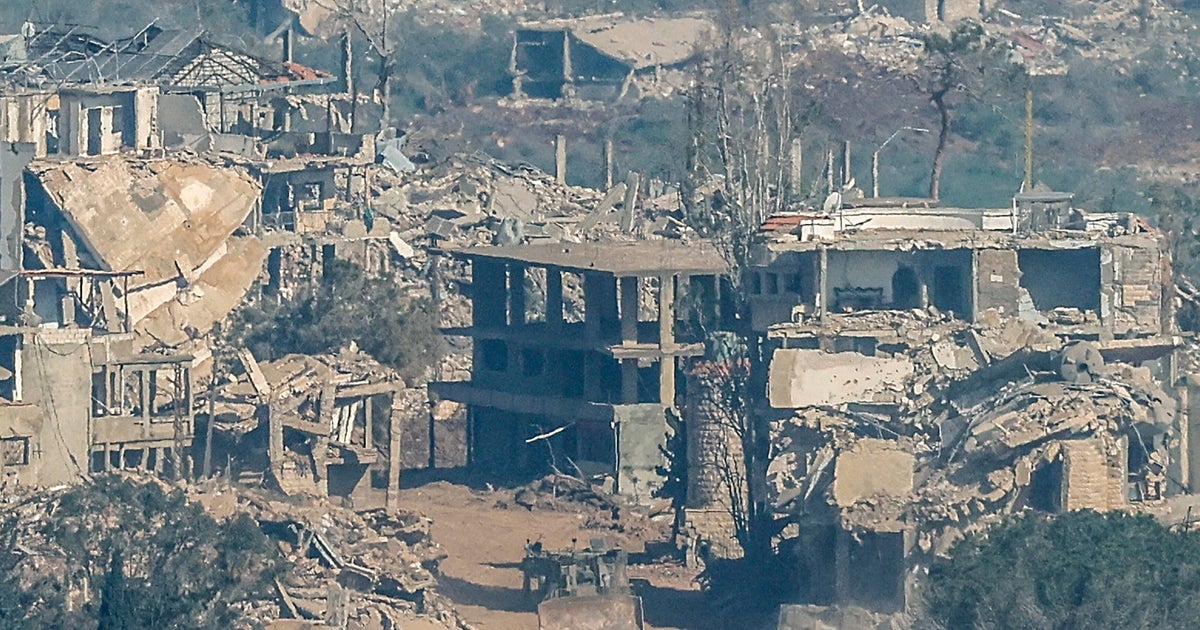
- Hezbollah's Secretary-General, Sheikh Naim Qassem, stated the group "categorically reject direct negotiations" (CBS News).
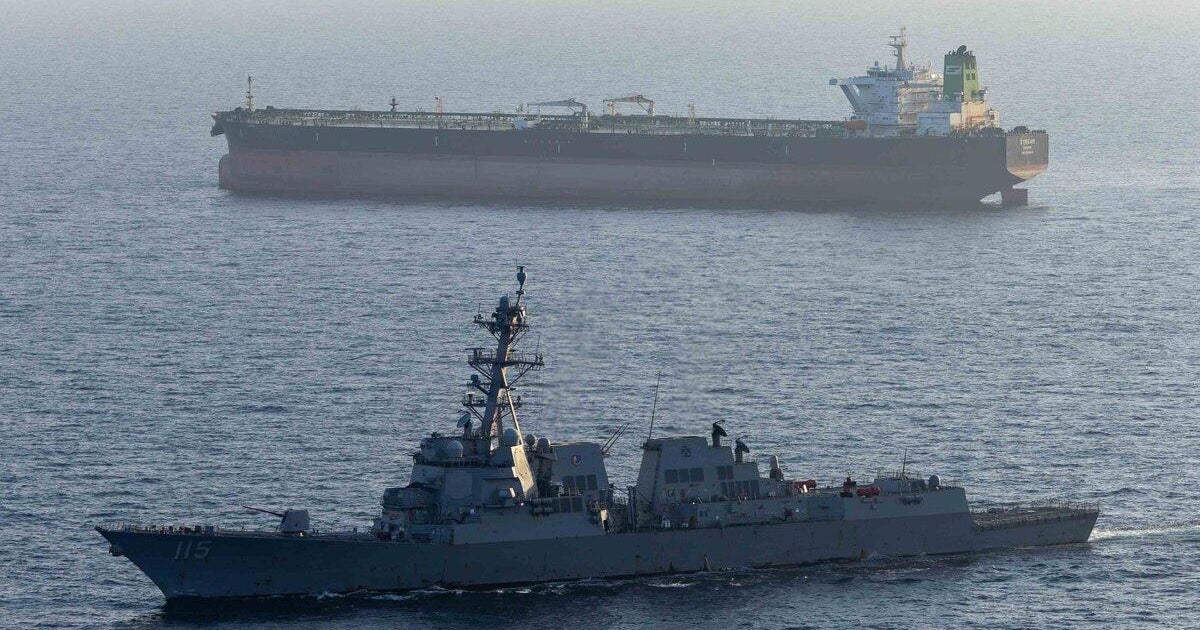
- Rising oil prices are linked to a perceived "costly stalemate" between the U.S. and Iran (CBS News).
- A suspected gunman near the White House Correspondents Association dinner "likely" targeted Trump, an official said (USA Today).
- The incident at the dinner has "renewed concerns over political violence" in the U.S. (USA Today).
- Former President Trump commented that political violence has "always been there" (USA Today).
Introduction
Recent developments highlight two distinct, yet impactful, global and domestic concerns. In the Middle East, the Secretary-General of the Iranian-backed group Hezbollah in Lebanon, Sheikh Naim Qassem, has publicly stated the group's categorical rejection of direct negotiations, a stance that has coincided with an increase in global oil prices. This declaration underscores ongoing geopolitical tensions in a critical region. Simultaneously, in the United States, an incident near the White House Correspondents Association dinner has reignited concerns regarding political violence, particularly after an official indicated the suspected gunman likely targeted a prominent political figure.
These events, though separate in their immediate focus, reflect a broader landscape of instability and heightened vigilance. The Middle East's geopolitical dynamics continue to influence global energy markets, while domestic security concerns surrounding political figures remain a pressing issue. Both situations demand careful observation from policymakers and the public alike, as their implications could ripple across economic and social spheres.
Key Facts
According to CBS News, Sheikh Naim Qassem, the Secretary-General of the Iranian-backed group Hezbollah in Lebanon, stated on Monday that the group's leadership "categorically reject direct negotiations." This statement was made amid reports of rising oil prices. CBS News also reported that the increase in oil prices appears to be linked to a perceived "costly stalemate" between the U.S. and Iran. Separately, USA Today reported on an incident near the White House Correspondents Association dinner, noting that a suspected gunman was "likely" targeting a prominent political figure, according to an official. USA Today also mentioned that this incident has "renewed concerns over political violence." Former President Trump commented on the situation, stating that political violence has "always been there," as reported by USA Today.
Why This Matters
The rejection of direct negotiations by a significant regional actor like Hezbollah, as reported by CBS News, carries substantial geopolitical weight. It signals a potential hardening of positions that could prolong or intensify existing conflicts and diplomatic impasses in the Middle East. The direct correlation between this stance and rising oil prices, also noted by CBS News, illustrates how regional political decisions can have immediate and tangible global economic consequences, affecting everything from transportation costs to consumer prices worldwide. This directly impacts ordinary citizens through increased living expenses and contributes to global economic uncertainty.
Domestically, the incident near the White House Correspondents Association dinner, detailed by USA Today, highlights a persistent and concerning threat of political violence. The revelation that a suspected gunman likely targeted a prominent political figure underscores the vulnerability of public officials and the potential for politically motivated attacks to disrupt democratic processes and public life. Such incidents can erode public trust in safety and security, influence political discourse, and potentially deter individuals from participating in public service or political events. The broader societal impact includes increased polarization and fear, making it a critical issue for national stability and cohesion.
Full Report
CBS News reported that Sheikh Naim Qassem, the Secretary-General of the Iranian-backed group Hezbollah in Lebanon, issued a statement on Monday. In this statement, Qassem asserted that Hezbollah's leadership "categorically reject direct negotiations." This declaration from a key figure in an Iranian-backed organization comes at a time when global oil prices are experiencing an upward trend. CBS News further elaborated that this rise in oil prices is occurring as the U.S. and Iran appear to be engaged in what is described as a "costly stalemate," suggesting a direct link between the geopolitical tensions and market reactions.
In a separate development, USA Today provided coverage of an incident that occurred near the White House Correspondents Association dinner. According to USA Today, an official stated that the suspected gunman involved in the incident was "likely" targeting former President Trump. This detail emerged amidst renewed concerns regarding political violence in the United States. USA Today also quoted former President Trump, who, in response to the incident, remarked that political violence has "always been there," offering a perspective on the historical presence of such issues.
The two sources, while covering distinct events, collectively paint a picture of ongoing global and domestic challenges. CBS News's reporting emphasizes the interconnectedness of Middle Eastern politics and global economics, particularly through the lens of oil prices and diplomatic stalemates. USA Today's coverage, conversely, focuses on domestic security and the implications of political violence, particularly concerning high-profile figures and public events. There were no direct contradictions in the factual reporting between the two outlets, but rather a divergence in the subject matter covered.
Context & Background
The geopolitical landscape of the Middle East, characterized by complex alliances and long-standing rivalries, provides crucial context for Hezbollah's stance. Hezbollah, a powerful political and paramilitary organization in Lebanon, has deep ties to Iran, making its pronouncements significant for regional stability and international relations. The ongoing tensions between the U.S. and Iran, often manifesting through proxies and economic sanctions, have been a persistent feature of international diplomacy for decades. This history of strained relations and the involvement of non-state actors like Hezbollah contribute to a volatile environment, where statements regarding negotiations can profoundly impact global markets, as seen with the reported rise in oil prices.
Domestically, the concerns over political violence in the United States, highlighted by the incident near the White House Correspondents Association dinner, are set against a backdrop of increasing political polarization and heightened rhetoric. In recent years, there has been a documented rise in threats against public officials and politically motivated incidents. This environment has led to a re-evaluation of security protocols for public figures and events, particularly those with high visibility. The comments from former President Trump, as reported by USA Today, reflect a historical awareness of political strife, yet the current climate suggests a unique intensity to these concerns, prompting renewed public and official discourse on safeguarding democratic processes and public safety.
What to Watch Next
Observers should monitor the diplomatic efforts concerning the U.S. and Iran, particularly any shifts in rhetoric or potential back-channel communications that could alter the current "costly stalemate" reported by CBS News. Any further statements from Hezbollah or other Iranian-backed groups regarding negotiations will be critical indicators of future regional stability. Additionally, the trajectory of global oil prices will serve as a barometer for how these geopolitical tensions are impacting the world economy. Specific attention should be paid to OPEC+ meetings and any decisions regarding oil production levels, which could further influence market dynamics.
Domestically, the investigation into the incident near the White House Correspondents Association dinner, as reported by USA Today, will be a key area to watch. Further details regarding the suspected gunman's motives and any potential connections could shed more light on the nature of political violence threats. Law enforcement and security agencies' responses, including any enhanced security measures for public events and political figures, will also be important to observe. The ongoing national dialogue surrounding political polarization and its potential for violence will continue to be a significant societal and political concern.
Source Attribution
This report draws on coverage from CBS News and USA Today.
Found this story useful? Share it:
Sources (2)
CBS News
"Live Updates: Oil prices rise as U.S. and Iran appear locked in a costly stalemate"
April 27, 2026
USA Today
"DC shooting live updates: Suspected gunman 'likely' targeted Trump, official says"
April 26, 2026