White House Press Secretary Links Democratic Rhetoric to 'Cult of Hatred' Against Trump Amid Gala Shooting Investigation
Compiled from 2 Sources
This report draws on coverage from Al Jazeera, Japan Today and presents a structured, balanced account that notes where outlets differ in their reporting.
Key Points
- White House press secretary Karoline Leavitt blamed Democrats for promoting a 'cult of hatred' against former President Trump (Al Jazeera).
- The suspect in the White House Correspondents' Association dinner shooting aired grievances against Trump administration policies (Japan Today).
- The shooting suspect referred to himself as a 'Friendly Federal Assassin' in writings to his family (Japan Today).
- Al Jazeera's report focused on Leavitt's political accusation, while Japan Today detailed the shooting suspect's alleged motivations.
- The events highlight ongoing debates about political rhetoric, polarization, and their potential real-world implications.
- The investigation into the gala shooting is ongoing, with further details expected from legal proceedings.
- The incident underscores the symbolic weight of violence at high-profile political events.
Introduction
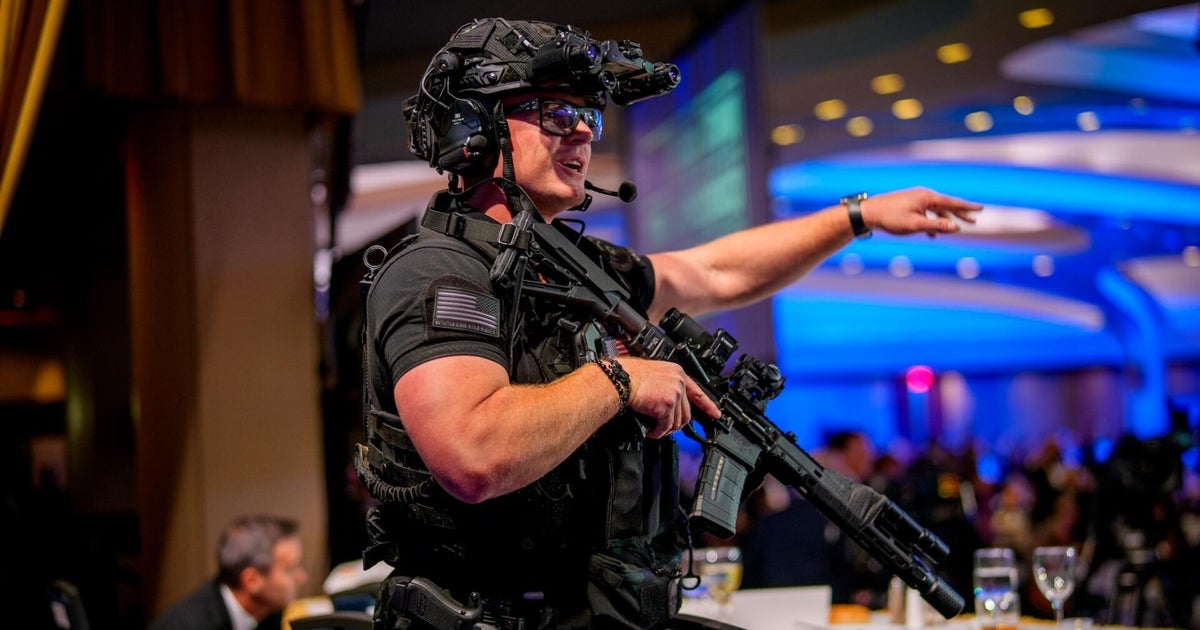
Recent statements from White House press secretary Karoline Leavitt have ignited discussion regarding political rhetoric, specifically her assertion that Democrats are fostering a "cult of hatred" against former President Donald Trump. This accusation emerges as law enforcement continues its investigation into a shooting incident at the White House Correspondents' Association dinner, where the suspect reportedly harbored grievances against the Trump administration. The convergence of these events highlights ongoing tensions surrounding political discourse and its potential real-world implications.
The incident at the White House Correspondents' Association dinner involved a suspect who allegedly expressed strong opposition to Trump administration policies. This development adds a layer of complexity to the political landscape, prompting scrutiny of how public figures' statements might be perceived and interpreted. The timing of Leavitt's remarks, coinciding with the ongoing investigation, underscores a period of heightened sensitivity and debate regarding the nature of political criticism and its boundaries.
Key Facts
White House press secretary Karoline Leavitt has explicitly blamed Democrats for promoting rhetoric that she characterizes as fueling a "cult of hatred" against former President Trump, according to Al Jazeera. This statement directly attributes responsibility for an alleged environment of animosity to the Democratic party. Concurrently, Japan Today reported details concerning the individual accused of opening fire at the White House Correspondents' Association dinner.
According to Japan Today, the suspect in the gala shooting aired grievances against Trump administration policies. Furthermore, the same report from Japan Today indicated that the suspect referred to himself as a "Friendly Federal Assassin" in writings directed to his family. These specific details from Japan Today provide insight into the alleged motivations and self-identification of the individual involved in the shooting incident.
Why This Matters
The intersection of political rhetoric and acts of violence, as suggested by these reports, carries significant societal weight. When a prominent political figure like Karoline Leavitt attributes a "cult of hatred" to an opposing political party, it can intensify partisan divisions and potentially normalize aggressive language in public discourse. This escalation of rhetoric risks eroding civil debate and fostering an environment where political disagreements are perceived as existential threats, rather than policy differences.
The alleged motivations of the gala shooting suspect, as reported by Japan Today, further underscore the potential real-world consequences of extreme political views. If an individual acts on grievances against a political administration, it raises serious questions about the responsibility of public figures to moderate their language and the broader impact of political polarization on individual behavior. Such incidents can contribute to a climate of fear and distrust, making it more challenging to address pressing national issues through constructive dialogue.
Moreover, the reporting on both the press secretary's comments and the shooting suspect's alleged writings highlights the ongoing challenge of maintaining security and decorum in politically charged environments. The White House Correspondents' Association dinner is a high-profile event, and any security breach or act of violence there sends a strong message about the vulnerabilities inherent in public life. Understanding the interplay between political speech and its potential to incite or rationalize violence is crucial for safeguarding democratic processes and ensuring public safety.
Full Report
White House press secretary Karoline Leavitt made a direct accusation, stating that Democrats are responsible for promoting rhetoric that fosters a "cult of hatred" against former President Donald Trump. Al Jazeera's coverage highlighted this specific blame, indicating a pointed criticism from the White House press office towards the Democratic party regarding the nature of political discourse surrounding the former president. This statement frames the political opposition's criticism of Trump as something beyond mere disagreement, characterizing it as an organized effort to cultivate intense animosity.
In a separate but related development, Japan Today provided details regarding the individual accused of the shooting incident at the White House Correspondents' Association dinner. The report indicated that the suspect had expressed significant grievances against the policies implemented by the Trump administration. These grievances were reportedly documented in writings addressed to his family, suggesting a premeditated articulation of his political discontent. Japan Today also noted that within these writings, the suspect self-identified using the unusual moniker of a "Friendly Federal Assassin."
While Al Jazeera focused solely on Leavitt's direct accusation against Democrats, framing it as a political statement about the current rhetorical climate, Japan Today's reporting delved into the specific alleged motivations and self-description of a suspect involved in a violent act. The Al Jazeera piece emphasized the political blame game, whereas Japan Today offered details that could potentially link extreme political views to an individual's actions. There is no direct connection made between Leavitt's statement and the shooting incident in either source, but their proximity in news cycles invites consideration of broader themes.
The two sources present distinct angles: Al Jazeera reports on a political figure's verbal attack on an opposing party's rhetoric, while Japan Today reports on the alleged specific grievances and self-identification of an individual accused of a violent act. No information from Al Jazeera directly addresses the shooting incident, nor does Japan Today comment on Leavitt's statements. The framing difference lies in Al Jazeera's focus on political commentary and Japan Today's focus on investigative details surrounding a criminal event.
Context & Background
The political landscape in the United States has been characterized by significant polarization and intense rhetoric for several years, particularly concerning former President Donald Trump. Public discourse has frequently involved strong accusations and counter-accusations between political factions, often escalating beyond policy debates to personal attacks or characterizations of entire political movements. This environment forms the backdrop against which Karoline Leavitt's comments and the alleged motivations of the shooting suspect are being reported.
Accusations of fostering a "cult of hatred" are not unprecedented in American politics, reflecting a historical pattern of political figures using strong language to rally their base and discredit opponents. The use of such terminology often seeks to delegitimize criticism by portraying it as irrational or driven by malice rather than substantive disagreement. This rhetorical strategy can further entrench partisan divides and complicate efforts to find common ground on national issues.
High-profile events like the White House Correspondents' Association dinner traditionally serve as a gathering point for journalists and political figures, often seen as a symbol of the free press and democratic engagement. Any security breach or act of violence at such an event carries symbolic weight, highlighting the vulnerabilities of public figures and the potential for political tensions to manifest in unforeseen ways. The alleged grievances of the suspect against a former administration underscore the enduring impact of political policies and leadership on individuals, sometimes leading to extreme reactions.
What to Watch Next
Future developments will likely center on the ongoing investigation into the White House Correspondents' Association dinner shooting. Law enforcement agencies will continue to gather evidence, interview witnesses, and analyze the suspect's writings to fully understand the motivations behind the incident. Any official charges filed and subsequent legal proceedings will provide further details regarding the case and the alleged perpetrator's state of mind.
Additionally, observers will monitor the continued evolution of political rhetoric, particularly from figures within the White House and the Democratic party. The response to Leavitt's comments, and any subsequent statements from other political leaders regarding the nature of political criticism and its impact, will be significant. The broader conversation about the responsibility of public figures in shaping political discourse, especially in light of violent incidents, is expected to continue.
Source Attribution
This report draws on coverage from Al Jazeera and Japan Today.
Found this story useful? Share it:
Sources (2)
Al Jazeera
"Leavitt blames democrats for ‘cult of hatred’ against Trump"
April 27, 2026
Japan Today
"DC gala shooting suspect aired grievances against Trump in writings to family"
April 26, 2026