US Envoys to Visit Pakistan Amidst Escalating Iran Tensions on Day 57 of Conflict

Structured Editorial Report
This report is based on coverage from Al Jazeera English and has been structured for clarity, context, and depth.
Key Points
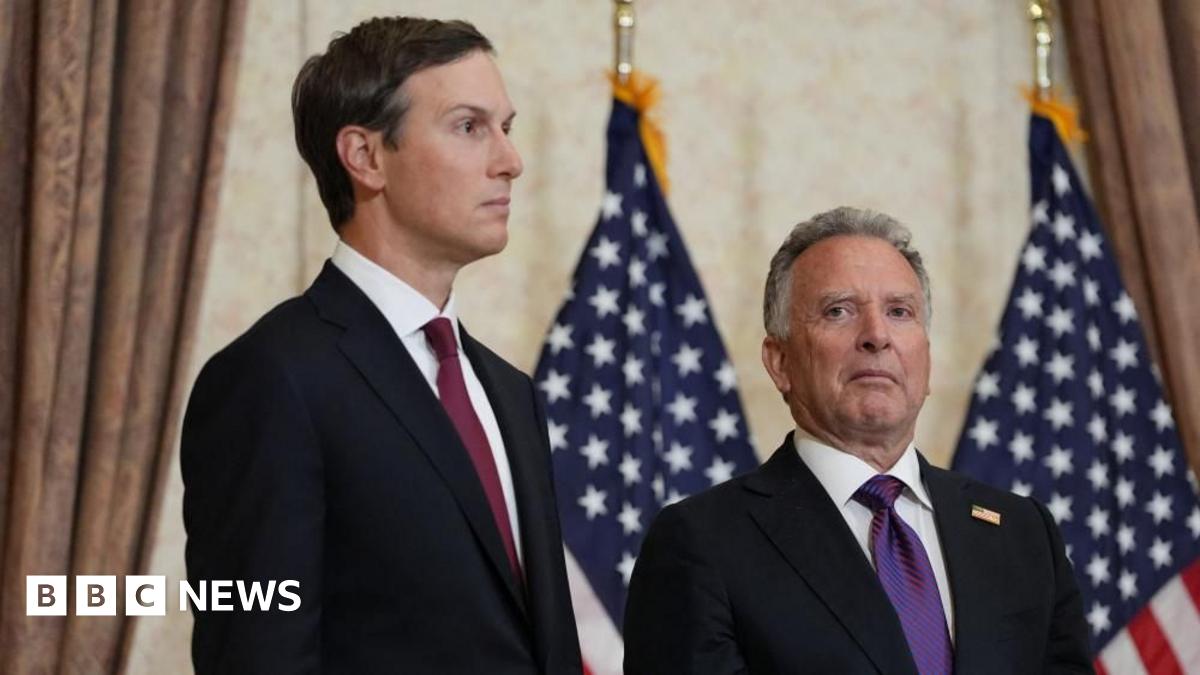
- US envoys Steve Witkoff and Jared Kushner are traveling to Pakistan on Saturday for talks concerning the Iran conflict.
- Iranian Foreign Minister Abbas Araghchi has arrived in Israel, signaling direct diplomatic engagement amidst hostilities.
- The diplomatic initiatives occur on the 57th day of the conflict, highlighting urgent international efforts for de-escalation.
- Pakistan's role as a host for US talks underscores its strategic importance in regional stability efforts.
- The simultaneous diplomatic maneuvers from the US and Iran indicate a complex, multi-faceted approach to managing the crisis.
Introduction
United States envoys Steve Witkoff and Jared Kushner are scheduled to travel to Pakistan on Saturday for critical talks concerning the ongoing conflict involving Iran. This diplomatic initiative comes as Iranian Foreign Minister Abbas Araghchi has arrived in Israel, signaling a complex and rapidly evolving geopolitical landscape. The White House has confirmed these high-level discussions, which occur on what marks the 57th day of the conflict, underscoring the international community's urgent efforts to address the escalating situation.
The simultaneous movements of key diplomatic figures from both the US and Iran highlight a period of intense diplomatic maneuvering amidst persistent hostilities. The US delegation's visit to Pakistan is particularly noteworthy given Pakistan's strategic regional position and its potential role in facilitating dialogue or de-escalation efforts. These developments underscore the gravity of the situation and the concerted push for diplomatic resolutions.
Key Facts
US envoys Steve Witkoff and Jared Kushner are slated to arrive in Pakistan on Saturday for discussions regarding the conflict. Concurrently, Iranian Foreign Minister Abbas Araghchi has reached Israel, indicating direct engagement between these two nations. The White House has officially announced the US envoys' travel plans, confirming the high-level nature of these diplomatic efforts. These events unfold on the 57th day of the conflict, marking a significant period of sustained tension and military activity.
Why This Matters
The dispatch of high-level US envoys to Pakistan, coupled with the Iranian Foreign Minister's presence in Israel, signifies a critical juncture in the regional conflict. This diplomatic flurry indicates a recognition by major international actors of the urgent need for de-escalation and potential resolution. The involvement of Pakistan as a host for US talks suggests its emerging role as a potential mediator or facilitator in regional stability, which could have long-term implications for its foreign policy and alliances. The direct engagement between Iran and Israel, however limited, is profoundly significant given their historical animosity and the current intensity of the conflict.
Economically, prolonged instability in the region, particularly involving a major oil producer like Iran, can trigger global energy market volatility, impacting international trade and consumer prices worldwide. Politically, the conflict risks drawing in more regional and international powers, potentially expanding into a broader proxy war or direct confrontation, which would destabilize global security. Socially, the conflict has already led to significant humanitarian crises, displacement, and loss of life, with continued escalation threatening to exacerbate these profound human costs. The international community, therefore, has a vested interest in these diplomatic efforts, as their success or failure will ripple across geopolitical, economic, and humanitarian spheres, making the current diplomatic maneuvers exceptionally critical for regional and global stability.
Full Report
On the 57th day of the ongoing conflict involving Iran, a significant diplomatic push is underway with simultaneous high-profile movements from both the United States and Iran. The White House confirmed that US envoys Steve Witkoff and Jared Kushner are scheduled to arrive in Pakistan on Saturday. Their mission is to engage in talks concerning the conflict, signaling a direct American diplomatic effort to address the escalating tensions in the region. The choice of Pakistan as a venue for these discussions highlights its strategic importance and potential as a neutral ground or facilitator in regional dialogues.
Adding another layer of complexity to the diplomatic landscape, Iranian Foreign Minister Abbas Araghchi has reportedly arrived in Israel. This direct engagement between Iranian and Israeli officials, even if limited in scope or public detail, marks a notable development given the deep-seated animosity and current state of hostilities between the two nations. The presence of such a senior Iranian diplomat in Israel suggests either a nascent attempt at direct communication or a strategic move to convey specific messages amidst the conflict.
These concurrent diplomatic movements underscore the multifaceted nature of the current crisis. While the US is engaging with a regional power like Pakistan, presumably to explore avenues for de-escalation or to coordinate regional responses, Iran is simultaneously engaging directly with a primary adversary. This dual-track diplomacy suggests a complex web of interactions aimed at managing or resolving the conflict, which has now persisted for nearly two months. The international community will be closely observing the outcomes of these high-stakes meetings.
The specifics of the agenda for the US envoys' talks in Pakistan have not been fully disclosed, but it is anticipated that discussions will center on regional stability, potential ceasefire mechanisms, and humanitarian aid. Similarly, the exact nature of Foreign Minister Araghchi's visit to Israel remains under wraps, but it is likely to involve direct communication regarding the ongoing military actions and potential pathways out of the current impasse. These diplomatic efforts represent a critical moment in the conflict, offering a glimmer of hope for a diplomatic resolution amidst sustained hostilities.
Context & Background
The current conflict involving Iran has been ongoing for 57 days, marking a protracted period of regional instability. The precise origins and initial triggers of this specific phase of the conflict are complex, often rooted in long-standing geopolitical rivalries, proxy engagements, and differing strategic interests in the Middle East. Iran has been a central player in regional dynamics for decades, often clashing with Western interests and its regional adversaries, most notably Israel and Saudi Arabia.
Prior to this 57-day period, the region has experienced a series of escalating incidents, including attacks on shipping, cyber warfare, and proxy military actions in various neighboring states. These events have contributed to a highly charged atmosphere, where miscalculation or accidental escalation remains a significant risk. The United States has historically maintained a strong presence and diplomatic interest in the region, often seeking to contain Iranian influence while supporting its allies.
The involvement of Pakistan in these diplomatic efforts is notable, as Pakistan shares a border with Iran and has historically maintained complex relations with both the US and Iran. While often seen as an ally of the US, Pakistan also has its own strategic interests and has sought to avoid being drawn into regional conflicts. Its role as a host for US envoys suggests a willingness to facilitate dialogue, potentially leveraging its unique position to foster de-escalation.
What to Watch Next
Observers should closely monitor the outcomes and official statements following the US envoys' visit to Pakistan, expected to conclude shortly after Saturday's talks. Any joint declarations or specific proposals emerging from these discussions will be crucial indicators of potential diplomatic breakthroughs or continued challenges. Furthermore, the nature and duration of Iranian Foreign Minister Araghchi's presence in Israel, and any subsequent communications from either Tehran or Tel Aviv, will provide insights into the direct engagement between these two long-standing adversaries.
Future developments will likely include reactions from other regional powers, such as Saudi Arabia and the United Arab Emirates, to these diplomatic overtures. The United Nations and other international bodies may also issue statements or convene emergency sessions if the diplomatic efforts yield significant progress or, conversely, if the conflict shows signs of further escalation. The specific dates for any follow-up meetings or further diplomatic engagements will be key to understanding the trajectory of the conflict.
Source Attribution
This report draws on coverage from Al Jazeera English.
Found this story useful? Share it:
Sources (1)
Al Jazeera English
"Iran war: What’s happening on day 57 as US envoys head to Pakistan?"
April 25, 2026