Trump Cancels US Envoys' Trip to Pakistan Amidst Iran Talks Uncertainty
Compiled from 3 Sources
This report draws on coverage from BBC World, NPR Politics, Al Jazeera and presents a structured, balanced account that notes where outlets differ in their reporting.
Key Points
- President Trump cancelled a trip by US envoys to Pakistan for Iran-related talks.
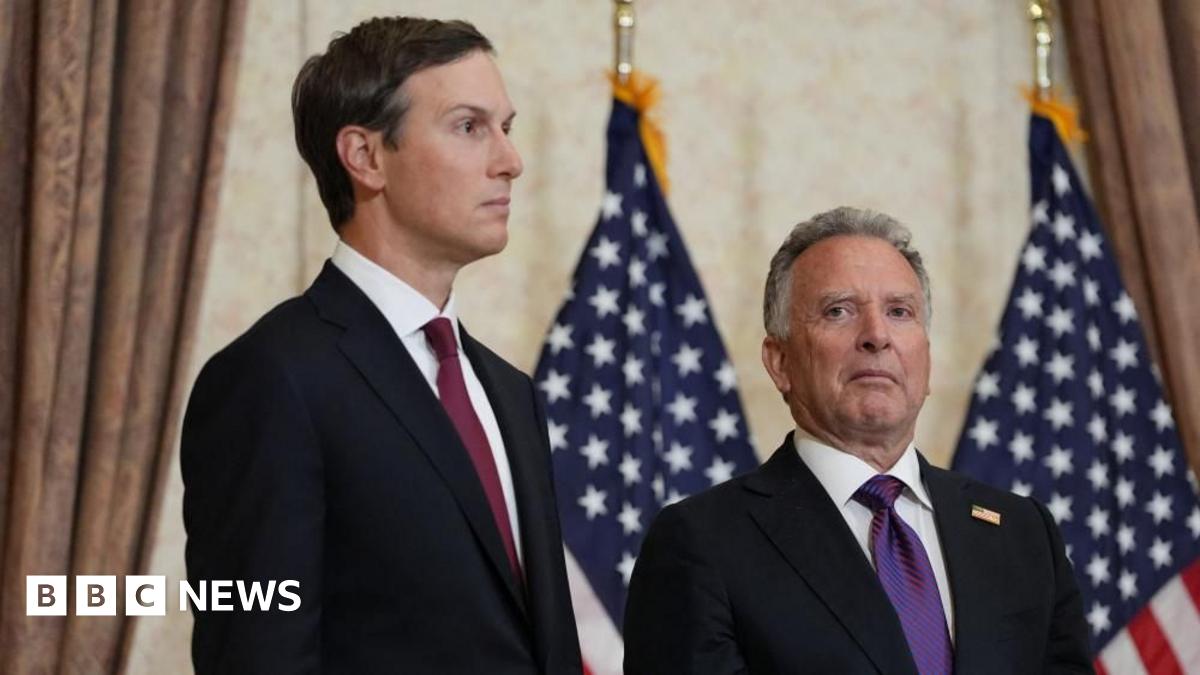
- The US delegation reportedly included Steve Witkoff and Jared Kushner, as per BBC World.
- The cancellation occurred shortly after Iran's Foreign Minister departed Pakistan, according to NPR Politics.
- Al Jazeera reported Iranian state media anticipating the foreign minister's return to Islamabad.
- Iran had previously stated no plans for a direct meeting with a US delegation, BBC World noted.
- The decision highlights ongoing diplomatic challenges and uncertainty in US-Iran relations.
- The event impacts Pakistan's potential role as a mediator in regional peace efforts.
Introduction
President Donald Trump has announced the cancellation of a planned trip by US envoys to Pakistan for talks concerning Iran, a development that introduces further uncertainty into diplomatic efforts surrounding the US-Iran relationship. The decision comes shortly after Iran's Foreign Minister departed Pakistan, according to reports. This cancellation signals a potential shift in the immediate diplomatic approach between the United States and Iran, particularly regarding direct engagement.
The delegation, which reportedly included Steve Witkoff and Jared Kushner, was slated for discussions in Islamabad. The abrupt halt to these high-level talks, initially intended to address tensions with Iran, underscores the delicate and often unpredictable nature of international diplomacy in the region. The move has drawn attention to the ongoing efforts, or lack thereof, to de-escalate tensions between Washington and Tehran.
Key Facts
President Trump explicitly stated his decision to cancel the trip for his representatives to the Iran peace talks in Islamabad, as reported by NPR Politics. This cancellation occurred shortly after Iran's Foreign Minister left Pakistan, a detail also highlighted by NPR Politics. BBC World specifically identified Steve Witkoff and Jared Kushner as members of the US delegation whose trip was called off.
Al Jazeera reported that the cancellation of the US envoys' trip followed the departure of Iran's Foreign Minister, Mohammad Javad Zarif, from Pakistan. Iranian state media, cited by Al Jazeera, indicated that the foreign minister was expected to return to Islamabad on Sunday night. Earlier, Iran had stated that there were no plans for a direct meeting with a US delegation, a point noted by BBC World.
Why This Matters
The cancellation of these high-level diplomatic talks carries significant implications for regional stability and international relations, particularly concerning the volatile relationship between the United States and Iran. The absence of direct engagement, especially at a time of heightened tensions, can exacerbate misunderstandings and limit opportunities for de-escalation. This directly affects the prospects for a peaceful resolution to ongoing disputes, potentially leading to prolonged uncertainty or even increased confrontation.
For Pakistan, hosting such talks would have elevated its diplomatic standing as a mediator, and the cancellation might impact its efforts to play a constructive role in regional peace. The broader implications extend to global energy markets and international trade, as any escalation in the US-Iran conflict could disrupt oil supplies and impact economic stability worldwide. Furthermore, the involvement of high-profile figures like Jared Kushner underscores the perceived importance of these potential discussions, making their cancellation all the more impactful.
This development also sends a signal about the current state of diplomatic readiness and willingness between Washington and Tehran. The lack of direct dialogue, despite efforts by third parties, suggests a continued impasse. The international community, including allies and adversaries, closely monitors these interactions for indications of future policy directions, making this cancellation a critical data point in understanding the evolving geopolitical landscape.
Full Report
President Donald Trump announced the cancellation of a planned trip by US envoys to Pakistan, where they were expected to engage in talks concerning Iran. According to NPR Politics, President Trump explicitly stated he had cancelled the trip for his representatives to the Iran peace talks in Islamabad. This decision came shortly after Iran's Foreign Minister had departed from Pakistan, a sequence of events also noted by NPR Politics.
BBC World specified that the US delegation included Steve Witkoff and Jared Kushner, high-profile individuals whose involvement underscored the significance of the potential discussions. Earlier statements from Iran, as reported by BBC World, indicated that Tehran had no plans for a direct meeting with a US delegation. This prior Iranian stance suggests a pre-existing reluctance or conditionality regarding direct engagement, which may have influenced the US decision or the context surrounding it.
Al Jazeera corroborated that the cancellation of the US envoys' trip occurred after Iran's Foreign Minister, Mohammad Javad Zarif, left Pakistan. Interestingly, Al Jazeera further reported, citing Iranian state media, that the foreign minister was anticipated to return to Islamabad later that Sunday night. This detail introduces a layer of complexity, suggesting that while one phase of diplomatic activity concluded, another might have been imminent or planned, even if not directly involving the US delegation.
Differences in framing among the sources are subtle but notable. NPR Politics and Al Jazeera both emphasize the timing of the cancellation relative to the Iranian Foreign Minister's departure, suggesting a potential causal link or immediate reaction. BBC World, while reporting the cancellation and the delegation members, also highlighted Iran's earlier stated lack of plans for a direct meeting, providing a broader context of Iran's position on engagement. All sources agree on the core fact of the trip's cancellation and its connection to Iran-related diplomacy in Pakistan.
Context & Background
The planned talks in Islamabad and their subsequent cancellation occur against a backdrop of deeply strained relations between the United States and Iran, which have been escalating since the US withdrawal from the Joint Comprehensive Plan of Action (JCPOA), commonly known as the Iran nuclear deal, in 2018. Following this withdrawal, the US reimposed and intensified sanctions on Iran, leading to significant economic pressure on Tehran. Iran, in turn, has gradually reduced its commitments under the nuclear deal.
Recent months have seen a series of incidents, including attacks on oil tankers in the Persian Gulf, drone attacks on Saudi oil facilities, and the downing of a US drone, all of which have heightened regional tensions and raised fears of a military confrontation. Various international actors, including Pakistan, have attempted to mediate or facilitate de-escalation efforts, recognizing the potential for widespread instability should the conflict escalate further. The proposed talks in Pakistan were likely part of these broader, albeit often indirect, diplomatic maneuvers to find a pathway for dialogue.
Pakistan, bordering Iran and having historical ties with both the US and Iran, has often positioned itself as a potential mediator in regional conflicts. Its role in hosting such a high-level US delegation for Iran-related discussions would have been a significant diplomatic undertaking, reflecting its ambition to contribute to regional peace and stability. The cancellation, therefore, also reflects the ongoing challenges in establishing a durable and mutually acceptable framework for US-Iran dialogue, despite various international efforts.
What to Watch Next
Observers should closely monitor any official statements from the US State Department or the Iranian Foreign Ministry regarding the reasons behind the cancellation and potential future diplomatic overtures. The anticipated return of Iran's Foreign Minister to Islamabad, as reported by Al Jazeera, suggests that Pakistan may continue its role in facilitating discussions, possibly with other regional or international partners. Any subsequent meetings or statements from Pakistani officials concerning their diplomatic efforts will be critical.
Further, attention will be on whether alternative channels for US-Iran communication emerge, either directly or through intermediaries. The absence of direct talks could lead to a reliance on public messaging or proxy diplomacy, which may or may not contribute to de-escalation. Any shifts in rhetoric from either Washington or Tehran, particularly regarding preconditions for dialogue, will be important indicators of future engagement prospects.
Source Attribution
This report draws on coverage from BBC World, NPR Politics, and Al Jazeera.
Found this story useful? Share it:
Sources (3)
BBC World
"Trump cancels US envoys' trip to Pakistan for talks on Iran war"
April 25, 2026
NPR Politics
"The US pulls out of peace talks with Iran"
April 25, 2026
Al Jazeera
"Trump cancels US envoys’ trip after Iran’s Araghchi leaves Pakistan"
April 25, 2026