Trump Considers Taxpayer Acquisition of Spirit Airlines Amid Oil Price Fluctuations
Structured Editorial Report
This report is based on coverage from CBS News and has been structured for clarity, context, and depth.
Key Points
- President Trump confirmed considering a taxpayer-funded takeover of Spirit Airlines.
- The stated goal is to acquire the airline at a 'right price' and resell it after oil prices drop.
- This potential move highlights significant economic pressures on the airline industry and budget carriers.
- The unprecedented government intervention raises questions about market competition, taxpayer burden, and economic policy.
- Global oil price fluctuations are a critical factor influencing the proposed acquisition and resale strategy.
Introduction
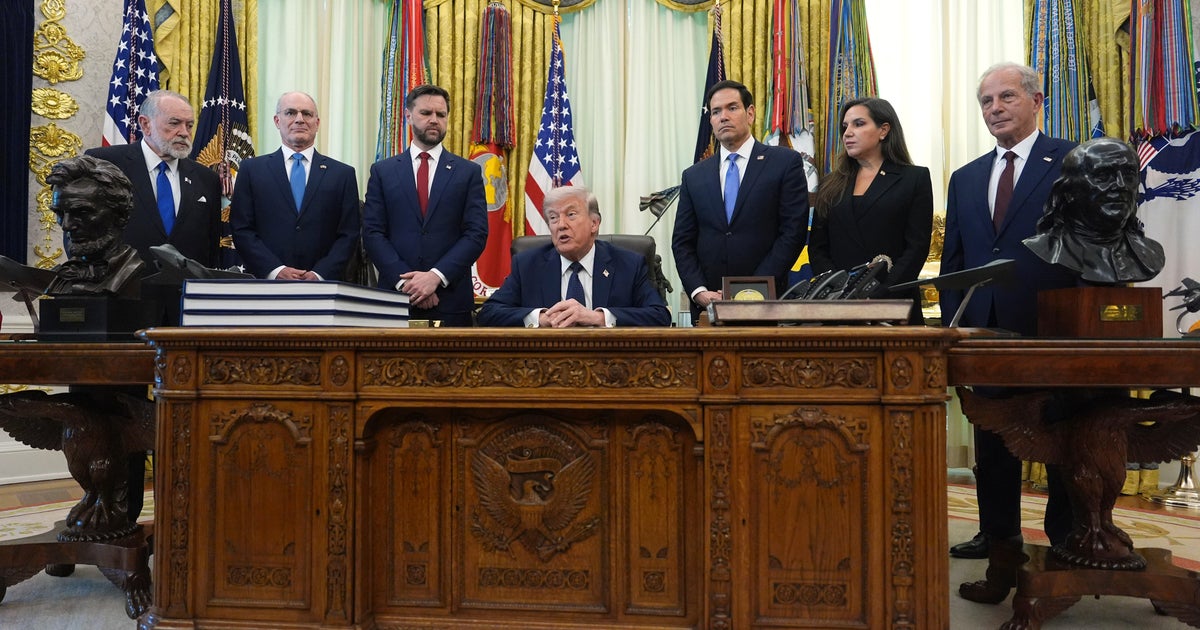
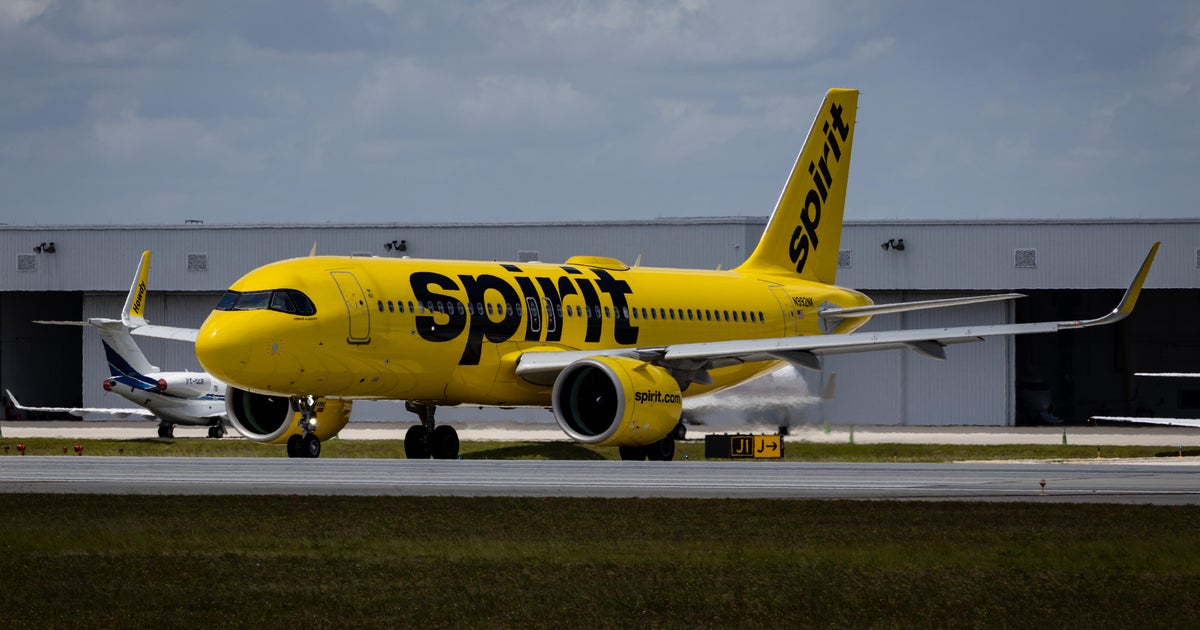
President Donald Trump indicated on Thursday that his administration was actively considering a taxpayer-funded acquisition of Spirit Airlines. The potential move is reportedly motivated by the current economic challenges facing the airline industry, particularly budget carriers, and a strategic intent to resell the airline once global oil prices stabilize or decline. This unprecedented consideration of government intervention in a major private airline's ownership highlights the significant economic pressures impacting the aviation sector and the administration's willingness to explore unconventional solutions to market disruptions. The announcement has sparked immediate discussions regarding the role of government in private enterprise and the potential implications for market competition and taxpayer burden.
Key Facts
President Trump confirmed on Thursday that a taxpayer-funded takeover of Spirit Airlines is under consideration. The primary objective articulated is to acquire the airline at a favorable price, with the subsequent plan to resell it after a anticipated drop in oil prices. This strategy suggests a belief within the administration that the current market valuation of Spirit Airlines, potentially depressed by high operating costs and reduced travel demand, does not reflect its long-term value. The specific mechanisms for such an acquisition, including the funding source and the process for determining a 'right price,' were not detailed in the initial announcement. The focus on oil prices as a key determinant for the timing of a resale underscores the significant impact of fuel costs on airline profitability.
Why This Matters
This potential government intervention carries substantial implications across several critical sectors. Economically, a taxpayer-funded acquisition of a private airline would set a significant precedent, potentially signaling a new era of government involvement in industries deemed vital or distressed. It raises questions about market efficiency, moral hazard, and the allocation of public funds, especially if the airline is later resold at a loss or if the acquisition distorts market competition. For the airline industry, it could introduce uncertainty regarding future government actions, potentially influencing investment decisions and competitive strategies among other carriers. Spirit Airlines, known for its ultra-low-cost model, plays a distinct role in the market, and its ownership status could impact pricing, routes, and consumer choices.
Politically, such a move would undoubtedly face scrutiny from both sides of the aisle. Proponents might argue it's a necessary measure to protect jobs and maintain essential transportation infrastructure during an economic downturn, while critics would likely decry it as government overreach, corporate welfare, and an inefficient use of taxpayer money. The decision would also reflect on the administration's broader economic philosophy, particularly concerning free markets versus state intervention. Socially, the fate of Spirit Airlines affects thousands of employees, from pilots and flight attendants to ground staff, whose livelihoods could be impacted by a change in ownership and operational strategy. Furthermore, the availability of low-cost air travel is a significant factor for many consumers, and any changes to Spirit's operations could affect travel accessibility and affordability.
Full Report
President Trump's statement on Thursday confirmed active discussions within his administration regarding the acquisition of Spirit Airlines. The president explicitly linked the consideration to the current economic climate, particularly the high operating costs faced by airlines due to oil prices. The proposed strategy involves a temporary government ownership, with the intention of divesting the airline back to the private sector once market conditions, specifically oil prices, become more favorable. This approach suggests a belief that the current market valuation of Spirit Airlines does not reflect its intrinsic value under more stable economic conditions. The administration appears to view this as an opportunity to acquire a strategic asset at a discounted rate, protect an American company, and potentially profit from its resale.
The specifics of how such a transaction would be structured, including the source of taxpayer funds and the legal framework for a government-led acquisition of a publicly traded company, remain undisclosed. The comment implies a proactive stance by the administration to stabilize key industries during periods of economic volatility. The airline industry has been particularly vulnerable to fluctuations in fuel costs and passenger demand, making budget carriers like Spirit Airlines, which operate on thin margins, especially susceptible to economic headwinds. The president's remarks did not specify whether this consideration is part of a broader strategy for the airline industry or if it is a unique response to Spirit Airlines' specific circumstances.
The potential for the government to act as a temporary owner and then a reseller of a major airline raises numerous questions about market dynamics and government intervention. It could be interpreted as an attempt to prevent a potential bankruptcy or significant job losses, thereby safeguarding economic stability. However, it also opens up debate about the government's role in determining fair market value and its capacity to manage a complex commercial enterprise. The administration's focus on the 'right price' for acquisition and the subsequent resale 'after oil prices drop' indicates a calculated financial play rather than a direct bailout, aiming for a return on investment for taxpayers.
Context & Background
The airline industry has historically been subject to significant economic fluctuations, often impacted by global events, fuel prices, and consumer confidence. In recent years, budget airlines like Spirit have thrived by offering low-cost travel options, but their business model is particularly sensitive to rising operational costs, with fuel being a primary expense. Previous instances of government intervention in the airline sector, particularly in the United States, have often occurred during times of national crisis or severe economic distress, such as post-9/11 bailouts or during the 2008 financial crisis, though these typically involved loans or subsidies rather than direct ownership.
The broader economic landscape at the time of President Trump's statement was characterized by volatile oil markets, influenced by geopolitical tensions and supply-demand imbalances. High oil prices directly translate to increased operating costs for airlines, squeezing profit margins and sometimes leading to reduced flight schedules or even bankruptcies. This economic pressure on airlines, coupled with the administration's stated commitment to protecting American businesses and jobs, provides the backdrop for considering such an unconventional measure. The concept of a government entity acquiring a private company with the intent to resell it is an unusual approach in modern American economic policy, typically reserved for nationalized industries or during extreme emergencies.
What to Watch Next
Observers should closely monitor any official statements or legislative proposals emanating from the White House or Congress regarding the potential acquisition of Spirit Airlines. Specific attention should be paid to any details outlining the proposed funding mechanisms, the legal framework for such a takeover, and the criteria for determining the 'right price.' Further, any reactions from Spirit Airlines' management, shareholders, and labor unions will be crucial indicators of the feasibility and reception of such a plan. The broader airline industry's response, particularly from competitors, will also shed light on how such a precedent might alter future market behavior. Finally, global oil price trends will remain a critical factor, as they are explicitly linked to the administration's stated resale strategy.
Source Attribution
This report draws on coverage from CBS News.
Found this story useful? Share it:
Sources (1)
CBS News
"Trump confirms he's weighing a taxpayer takeover of Spirit Airlines "for the right price""
April 24, 2026