US-Iran Tensions Shift from Military Escalation to Diplomatic Standoff Amid Pakistani Mediation Efforts
Structured Editorial Report
This report is based on coverage from BBC News and has been structured for clarity, context, and depth.
Key Points
- Immediate military escalation between the US and Iran has receded, shifting to a diplomatic standoff.
- The US is employing a 'blockade' strategy, focusing on economic and political pressure rather than direct military action.
- Pakistan is actively mediating, with its foreign minister engaging in diplomatic visits to Washington and Tehran.
- Iran maintains its stance on its nuclear program and regional influence, showing no signs of capitulation.
- The situation holds significant implications for global energy markets and broader regional stability in the Middle East.
Introduction
The immediate threat of military escalation between the United States and Iran appears to have receded, moving away from the heightened alert that saw press pools on standby and military transport planes landing in the region. The focus has now shifted to a more protracted diplomatic standoff, characterized by a "blockade" strategy from the US and a firm stance from Iran. This de-escalation from direct military confrontation has opened a window for diplomatic initiatives, with Pakistan actively engaging in mediation efforts to prevent further deterioration of the situation.
This period of reduced direct military tension follows a series of provocative actions and responses, including drone attacks and missile strikes, which had brought the region to the brink of a wider conflict. While the immediate danger of an overt military clash has diminished, the underlying geopolitical friction remains potent. The current phase is defined by strategic posturing and indirect pressures, with both nations maintaining their core positions but seemingly opting for a less kinetic approach for the time being.
Key Facts
The BBC News report indicates a noticeable shift from a period of intense military readiness, which included speculation about troop movements and the contents of C-17 Globemaster transport planes, to a more subdued diplomatic phase. Pakistan has emerged as a key mediator, with its foreign minister undertaking diplomatic visits to both Washington and Tehran. The US strategy is described as a "blockade," aiming to exert economic pressure on Iran without resorting to direct military action. Iran, in response, has reiterated its commitment to its nuclear program and regional influence, signaling no intention of capitulating to US demands.
This diplomatic push by Pakistan highlights a regional concern over the stability of the Middle East and South Asia, emphasizing the potential for broader implications if tensions were to reignite. The report suggests that while the immediate military threat has waned, the underlying issues driving the US-Iran conflict, such as Iran's nuclear ambitions and its role in regional proxy conflicts, remain unresolved and continue to fuel the standoff.
Why This Matters
The current shift from military brinkmanship to a diplomatic standoff holds significant implications for global energy markets, regional stability, and international diplomacy. A sustained "blockade" strategy by the United States, while avoiding direct conflict, could intensify economic hardship in Iran, potentially leading to internal unrest or a more aggressive posture from Tehran in other domains. This economic pressure could also impact global oil prices and supply chains, given Iran's strategic location and its role as a major energy producer, affecting economies worldwide.
Furthermore, the involvement of Pakistan as a mediator underscores the regional anxiety surrounding the US-Iran dynamic. Any escalation or destabilization in the Persian Gulf directly impacts neighboring countries, potentially leading to refugee crises, trade disruptions, and increased security concerns across the broader Middle East and South Asia. The failure of diplomatic efforts could reignite military tensions, with devastating consequences for human lives and infrastructure, and could draw in other regional and international powers, transforming a bilateral dispute into a wider regional conflict with global repercussions.
The international community has a vested interest in de-escalation, as a prolonged or intensified standoff could undermine non-proliferation efforts and set a dangerous precedent for international relations. The outcome of this diplomatic phase will test the efficacy of non-military pressure tactics and the potential for third-party mediation in complex geopolitical disputes. The stability of a critical global shipping lane, the Strait of Hormuz, also remains a constant concern, as disruptions there could have immediate and severe economic consequences globally.
Full Report
Recent developments indicate a significant de-escalation in the immediate military confrontation between the United States and Iran, moving away from the high-alert status that characterized the previous weeks. The earlier atmosphere of imminent conflict, marked by reports of press pools being directed to airports and the arrival of C-17 Globemaster transport planes, has now given way to a period focused on diplomatic maneuvering and strategic pressure. This transition suggests a deliberate choice by both parties to avoid direct military engagement, at least for the present.
The United States has reportedly adopted a strategy described as a "blockade," aiming to isolate Iran economically and politically without resorting to kinetic military action. This approach seeks to compel Iran to alter its policies regarding its nuclear program and regional activities through sustained pressure. Iran, for its part, has maintained a defiant stance, reiterating its commitment to its existing programs and asserting its sovereignty against external pressures.
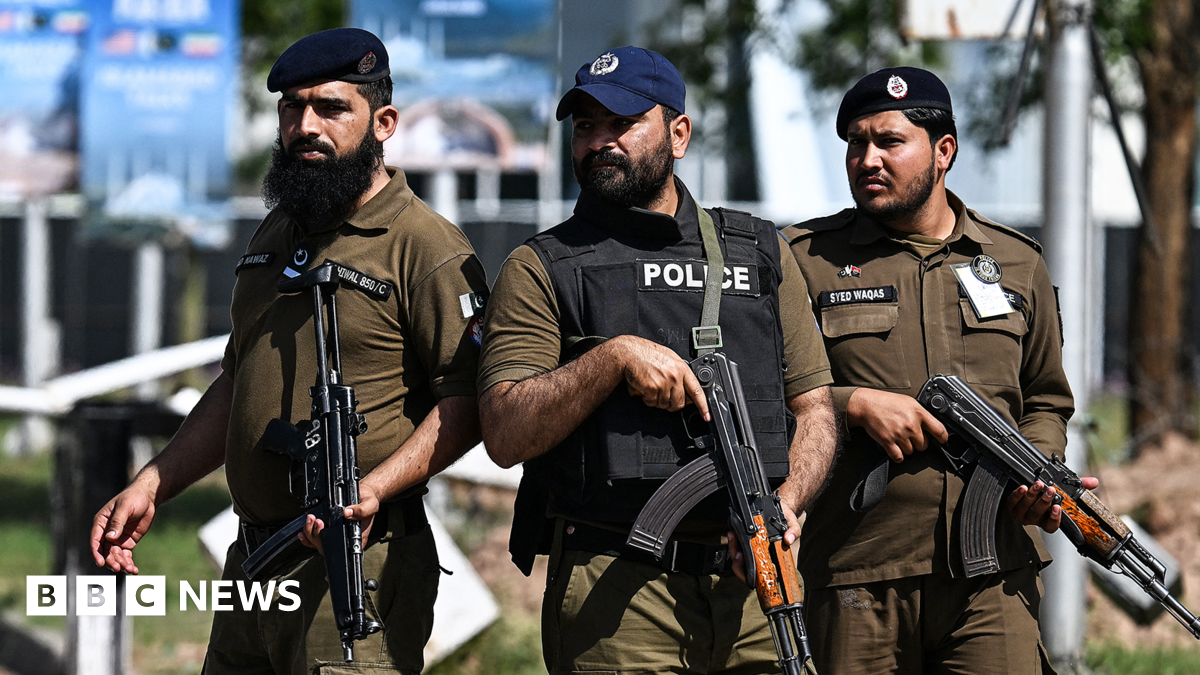
Amidst this evolving situation, Pakistan has emerged as a proactive diplomatic actor, seeking to mediate between Washington and Tehran. Pakistan's foreign minister has engaged in high-level discussions in both capitals, signaling a regional concern over the potential for renewed escalation. These diplomatic overtures highlight the interconnectedness of regional security and the potential for a wider ripple effect if the US-Iran standoff were to intensify. The efforts by Pakistan underscore a desire within the region to foster stability and prevent a return to the brink of conflict.
The current phase is characterized by a delicate balance, where the immediate military threat has receded, but the underlying grievances and strategic competition between the US and Iran persist. Both nations appear to be recalibrating their approaches, with the US focusing on non-military pressure and Iran maintaining its resolve, while regional actors like Pakistan attempt to bridge the diplomatic divide. The outcome of these diplomatic efforts will be crucial in determining the future trajectory of US-Iran relations and regional stability.
Context & Background
The current standoff between the United States and Iran is rooted in decades of complex geopolitical history, particularly following the 1979 Iranian Revolution and the subsequent hostage crisis. Tensions significantly escalated after the US withdrawal from the Joint Comprehensive Plan of Action (JCPOA) in 2018 under the Trump administration, which reimposed stringent sanctions on Iran. This move was met with Iran's gradual reduction of its commitments under the nuclear deal, leading to increased concerns about its nuclear program.
Recent flashpoints have included attacks on oil tankers in the Gulf, drone incidents, and missile strikes on facilities housing US troops in Iraq, which the US attributed to Iran or its proxies. The assassination of Iranian General Qassem Soleimani by a US drone strike in early 2020 and Iran's retaliatory missile attacks on US bases further exacerbated tensions, bringing the two nations to the precipice of a full-scale military conflict. These events created an environment of heightened alert and speculation about immediate military action.
Iran's regional influence, particularly through its support for various non-state actors and its ballistic missile program, is a consistent point of contention for the US and its allies. The US views these activities as destabilizing to the Middle East, while Iran asserts its right to defend its interests and support its allies. The current shift to a diplomatic standoff, with a focus on a "blockade" strategy, represents an evolution from the immediate post-Soleimani period, where direct military confrontation seemed more probable, towards a prolonged period of strategic competition and diplomatic pressure.
What to Watch Next
Observers should closely monitor the ongoing diplomatic efforts spearheaded by Pakistan and any potential future mediation attempts by other nations or international bodies. Specific attention should be paid to the outcomes of these discussions and whether they lead to any direct engagement or indirect communication channels between Washington and Tehran. Any public statements from the foreign ministries of the US, Iran, and Pakistan regarding the progress or breakdown of these talks will be critical indicators.
Furthermore, the effectiveness and impact of the US "blockade" strategy will be a key development to watch. This includes monitoring Iran's economic indicators, its responses to continued sanctions, and any changes in its nuclear program or regional activities. Any moves by Iran to further enrich uranium or restrict international inspections, or conversely, any signs of willingness to negotiate on its nuclear program or regional influence, will signal the direction of the standoff. The navigation of the Strait of Hormuz and any related incidents will also remain a critical barometer of regional stability.
Source Attribution
This report draws on coverage from BBC News.
Found this story useful? Share it:
Sources (1)
BBC News
"US and Iran locked in blockade standoff as Pakistan pushes for talks"
April 22, 2026