Trump Extends Iran Ceasefire Amidst Strait of Hormuz Ship Seizures
Compiled from 4 Sources
This report draws on coverage from CBS News, Al Jazeera English, USA Today and presents a structured, balanced account that notes where outlets differ in their reporting.
Key Points
- President Trump extended a ceasefire with Iran, postponing a planned U.S. military attack.
- The ceasefire extension is indefinite, lasting until U.S.-Iran discussions are concluded, according to CBS News.
- Al Jazeera English reported the extension allows Iran more time to present a proposal.
- USA Today reported Iran seized two ships in the Strait of Hormuz on Wednesday, after Trump's ceasefire announcement.
- The ship seizures escalate tensions in the critical Strait of Hormuz waterway.
- Trump's ceasefire extension contradicts his prior statements about not extending such measures, per CBS News.
Introduction
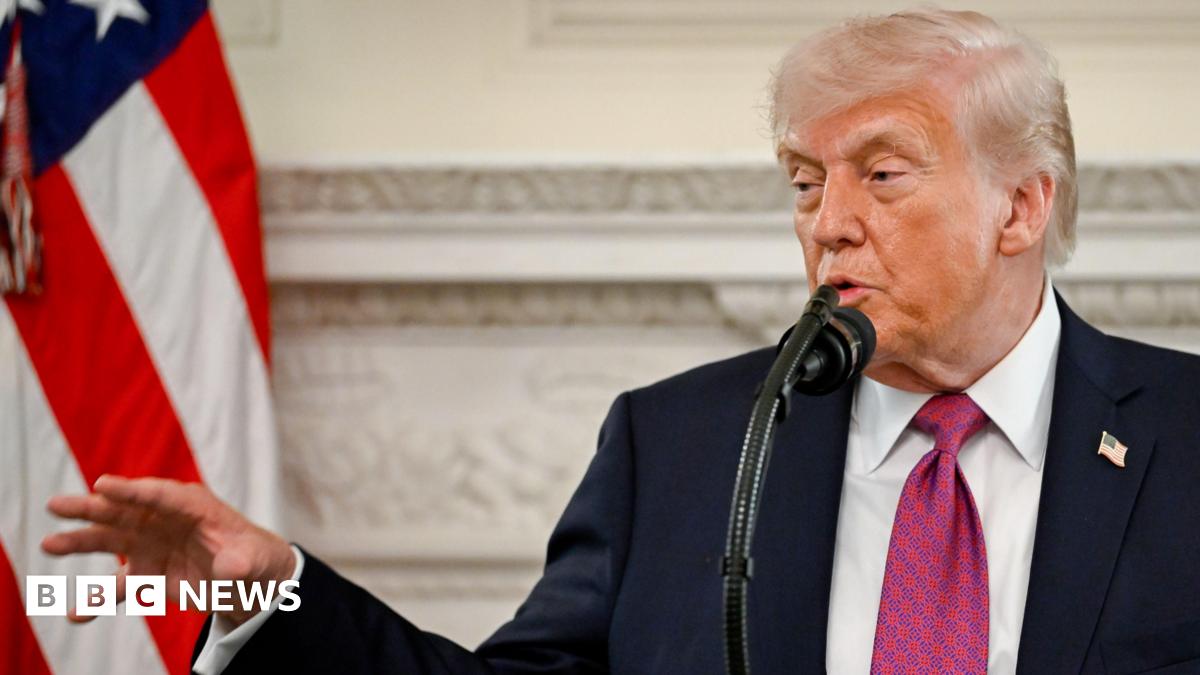
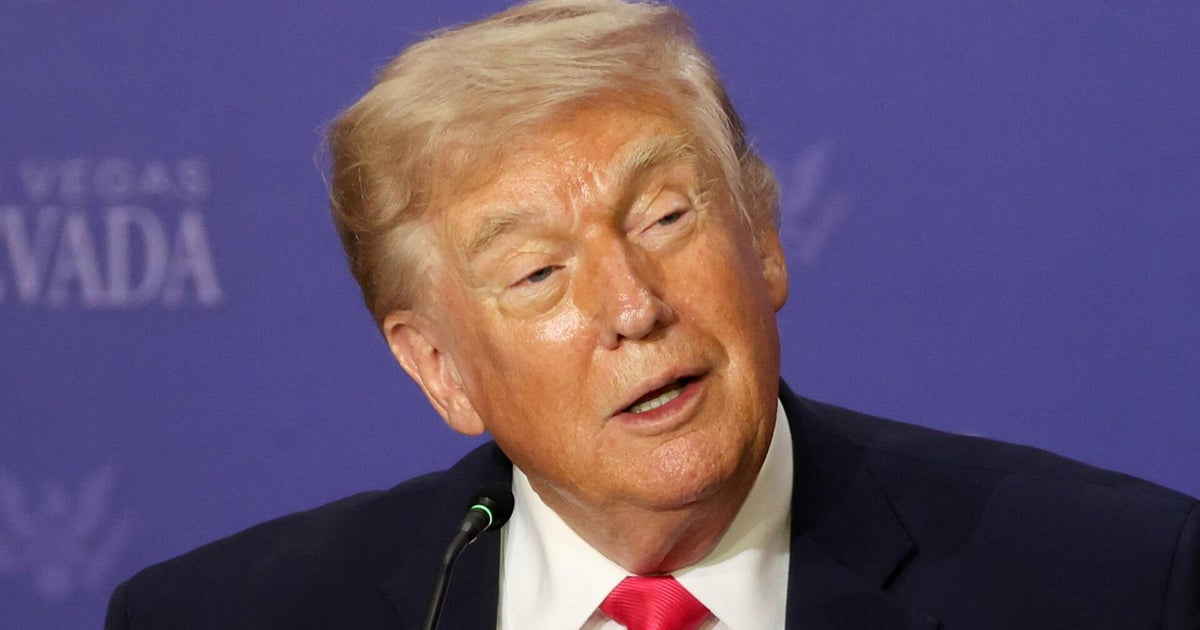
United States President Donald Trump has announced an extension to a ceasefire with Iran, stating that the U.S. military would postpone its planned attack to allow for further discussions, as reported by Al Jazeera English and CBS News. This development comes despite previous indications from President Trump that he would not extend such a measure, according to CBS News. The extension is set to last until talks between the two nations are concluded, a detail emphasized by CBS News.
However, this diplomatic overture was swiftly followed by a significant escalation in the region. USA Today reported that Iran seized two ships in the Strait of Hormuz on Wednesday, an action that tightens its control over the strategically vital waterway. This move occurred shortly after President Trump's announcement regarding the ceasefire extension, adding a complex layer to the ongoing tensions.
Key Facts
President Trump extended the ceasefire with Iran, with CBS News noting it is until "discussions are concluded." Al Jazeera English specified that the extension allows more time for Tehran to put forward a proposal. CBS News further reported that this decision was announced on a Tuesday, contradicting earlier statements by Trump that he would not extend the ceasefire. Following this, USA Today reported that Iran seized two ships in the Strait of Hormuz on Wednesday, an action that occurred after Trump's ceasefire extension.
Why This Matters
The extension of a ceasefire, even temporarily, holds significant implications for de-escalation efforts in a highly volatile region. It suggests a potential, albeit fragile, pathway for diplomatic engagement between the United States and Iran, which could avert direct military confrontation. For global markets, particularly oil, any reduction in geopolitical risk in the Middle East can influence prices and stability, impacting consumers and industries worldwide.
Conversely, Iran's seizure of ships in the Strait of Hormuz immediately after the ceasefire extension introduces a critical counterpoint to any diplomatic progress. This act directly affects international shipping and trade, raising insurance costs and increasing the risk of supply chain disruptions. The Strait of Hormuz is a crucial chokepoint for global oil transit, meaning any instability there has far-reaching economic consequences, impacting energy security for numerous nations and potentially driving up global energy costs.
Furthermore, these events underscore the complex and often contradictory nature of U.S.-Iran relations. The simultaneous pursuit of diplomacy and aggressive actions by both sides creates an unpredictable environment, affecting regional allies, international maritime law, and the broader balance of power in the Middle East. The ongoing tension impacts the daily lives of citizens in the region, who face uncertainty regarding stability and economic well-being, and it challenges international efforts to maintain peace and freedom of navigation.
Full Report
United States President Donald Trump has announced an extension to the ceasefire with Iran, a development reported by both Al Jazeera English and CBS News. According to Al Jazeera English, President Trump stated that the U.S. military would hold off its planned attack to allow more time for Tehran to present a proposal. CBS News elaborated, reporting that the ceasefire is extended indefinitely until talks between the U.S. and Iran are "concluded," and noted that this announcement was made on a Tuesday. This decision by Trump comes despite his previous assertions that he would not extend the ceasefire, a detail highlighted by CBS News.
However, the diplomatic gesture was quickly overshadowed by actions taken by Iran. USA Today reported that Iran seized two ships in the Strait of Hormuz on Wednesday. This incident occurred after President Trump's extension of the ceasefire, which USA Today described as being until "such time as their leaders and repres…" (the full quote was truncated in the source). The seizure of ships in the Strait of Hormuz represents a significant move by Iran to assert control over the strategic waterway, according to USA Today.
While CBS News and Al Jazeera English focused primarily on the ceasefire extension and its diplomatic implications, USA Today's report provided a critical update on the immediate, tangible escalation in the region. The juxtaposition of a U.S. ceasefire extension with an Iranian act of aggression in a vital shipping lane illustrates the complex and often contradictory dynamics at play in the U.S.-Iran relationship. No source explicitly detailed the nature of the "planned attack" mentioned by Al Jazeera English or the specific content of the "discussions" referenced by CBS News.
Context & Background
The relationship between the United States and Iran has been characterized by decades of tension, punctuated by periods of heightened confrontation and sporadic attempts at diplomacy. This current situation follows a period of escalating rhetoric and actions, including previous military posturing and economic sanctions imposed by the U.S. against Iran. The Strait of Hormuz, where the recent ship seizures occurred, has historically been a flashpoint due to its critical role in global oil transportation. Past incidents involving shipping in the Strait have frequently led to international condemnation and increased geopolitical instability.
Prior to the current ceasefire extension, President Trump had pursued a policy of "maximum pressure" against Iran, involving stringent economic sanctions aimed at curbing Iran's nuclear program and regional influence. This policy has often been accompanied by military deployments to the region, creating a backdrop of potential conflict. The idea of a ceasefire, even a temporary one, suggests a deviation or at least a pause in this aggressive posture, potentially signaling a willingness to explore diplomatic off-ramps.
Iran, for its part, has consistently pushed back against U.S. sanctions and military presence, often responding with actions designed to demonstrate its regional power and disrupt international interests. The seizure of ships in the Strait of Hormuz is consistent with a pattern of Iranian responses to perceived external pressures, aiming to exert leverage in negotiations or to protest U.S. policies. This historical context underscores the deep-seated mistrust and the complex interplay of military, economic, and diplomatic strategies employed by both nations.
What to Watch Next
Observers should closely monitor any further statements from both U.S. and Iranian officials regarding the ceasefire and the ship seizures. The duration and conditions of the extended ceasefire will be crucial, as will any details emerging about the "discussions" mentioned by CBS News. Specific attention should be paid to whether Tehran puts forward the proposal referenced by Al Jazeera English and how Washington responds.
Additionally, the fate of the two ships seized by Iran in the Strait of Hormuz, as reported by USA Today, will be a key indicator of escalating or de-escalating tensions. International reactions to these seizures, particularly from maritime organizations and major trading nations, could influence the diplomatic landscape. Any further actions in the Strait of Hormuz or other strategic waterways will also be critical to watch for their potential impact on global shipping and regional stability.
Source Attribution
This report draws on coverage from CBS News, Al Jazeera English, and USA Today.
Found this story useful? Share it:
Sources (4)
Al Jazeera English
"Trump announces extending Iran ceasefire but says blockade remains"
April 21, 2026
CBS News
"Trump extends ceasefire with Iran indefinitely, until "discussions are concluded""
April 21, 2026
USA Today
"Iran seizes 2 ships after Trump extends ceasefire: Iran war updates"
April 22, 2026