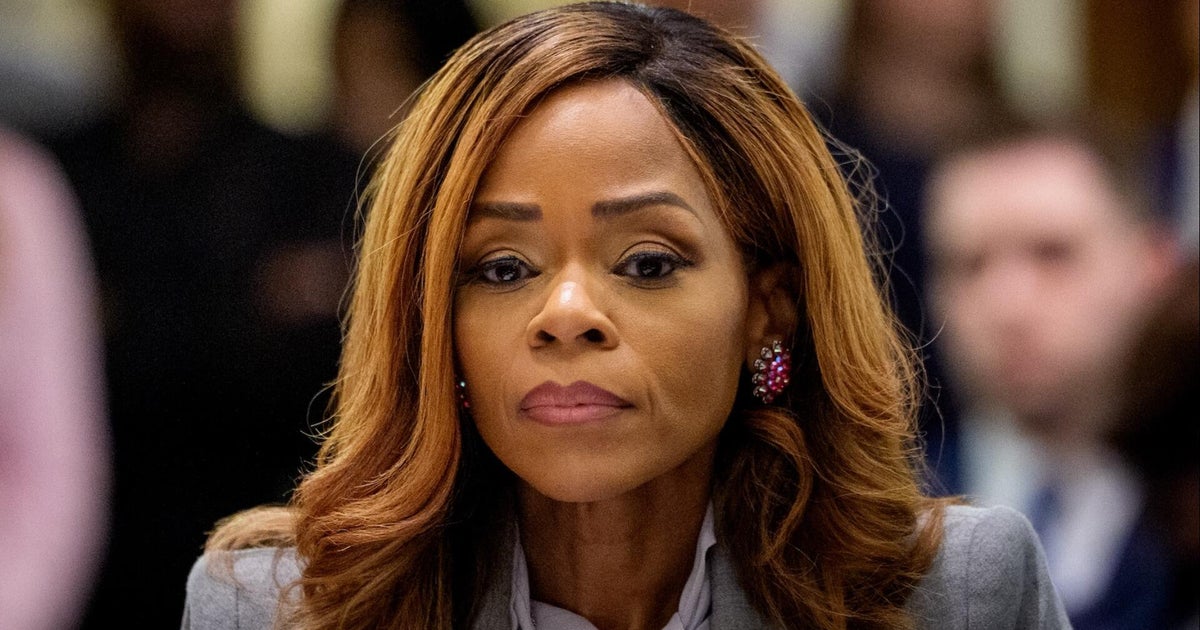
Rep. Sheila Cherfilus-McCormick Resigns from Congress Ahead of Ethics Hearing
Structured Editorial Report
This report is based on coverage from CBS News and has been structured for clarity, context, and depth.
Key Points
- Rep. Sheila Cherfilus-McCormick resigned from the U.S. House of Representatives.
- Her resignation occurred ahead of a scheduled ethics hearing, directly linking the two events.
- The departure creates an immediate vacancy in Florida's 20th Congressional District, necessitating a special election.
- The resignation preempts any formal findings or disciplinary actions by the House Ethics Committee.
- The specific details of the ethics allegations have not been publicly disclosed.
Introduction
Representative Sheila Cherfilus-McCormick (D-FL) has resigned from her position in the U.S. House of Representatives. This departure comes as she was facing an impending ethics hearing, a development that has drawn significant attention to the integrity and accountability of elected officials. Her resignation effectively preempts any formal proceedings by the House Ethics Committee, closing a chapter on her congressional tenure under a cloud of scrutiny.
The resignation was announced in conjunction with the news of the upcoming ethics review, signaling a direct link between the two events. While the specific charges or nature of the ethics inquiry have not been detailed in the available information, the timing suggests a strategic move to avoid a public and potentially damaging process. This situation highlights the mechanisms by which allegations against members of Congress are addressed, even if the ultimate resolution occurs outside of a formal hearing.
Key Facts
Representative Sheila Cherfilus-McCormick, a Democrat representing Florida's 20th congressional district, tendered her resignation from the U.S. House of Representatives. This decision was made public specifically ahead of a scheduled ethics hearing. The information indicates that the resignation is directly tied to the impending ethics review, rather than other factors such as health or re-election considerations.
The source material, a CBS News headline, explicitly states the resignation occurred "ahead of ethics hearing," confirming the temporal relationship between the two events. No further details regarding the specific allegations, the nature of the ethics complaint, or the date of the scheduled hearing are provided. The resignation means that the ethics committee will likely cease its investigation into her conduct, as she will no longer be a member of Congress subject to its jurisdiction.
Why This Matters
This resignation carries significant implications for congressional accountability, public trust, and the political landscape of Florida's 20th district. When a member of Congress resigns in anticipation of an ethics hearing, it can be interpreted in various ways by the public, potentially eroding confidence in the transparency and ethical standards of elected officials. It prevents a full public airing of the allegations, which some might view as a lack of complete accountability, while others might see it as a pragmatic resolution to avoid prolonged controversy.
For the constituents of Florida's 20th district, the resignation means an abrupt vacancy and the necessity of a special election to fill the seat. This disruption can temporarily leave the district without full representation in Congress, potentially delaying legislative priorities and constituent services. Furthermore, the circumstances of the resignation could influence future electoral dynamics, as voters may scrutinize candidates more closely regarding their ethical backgrounds and financial dealings.
More broadly, this event underscores the continuous importance of congressional ethics oversight. The existence of an ethics committee and the potential for investigations serve as a critical check on the conduct of lawmakers. While the specific outcome of this case is a resignation, the underlying principle that members are subject to scrutiny for their actions remains vital for maintaining the integrity of democratic institutions and ensuring that public service is conducted with the highest standards of conduct.
Full Report
Representative Sheila Cherfilus-McCormick, who has served as the U.S. Representative for Florida's 20th congressional district, formally announced her resignation from Congress. This significant development occurred just prior to a scheduled ethics hearing that was poised to investigate aspects of her conduct. The timing suggests a direct correlation between the impending ethics review and her decision to step down from her legislative role, effectively bringing her congressional career to an immediate close.
The specific nature of the ethics allegations that led to the scheduled hearing has not been publicly detailed. However, the House Ethics Committee is responsible for investigating alleged violations of House rules, standards of conduct, and federal laws by House members, officers, and employees. These investigations can range from campaign finance irregularities to conflicts of interest or misuse of official resources. A resignation before such a hearing typically means that the committee's jurisdiction over the individual ceases, and the investigation may be closed without a public finding or recommendation for disciplinary action.
Her departure creates an immediate vacancy in Florida's 20th Congressional District, a predominantly Democratic-leaning area. This will necessitate a special election to determine her successor, a process that can be both costly and time-consuming for the state and local election authorities. The upcoming special election will likely draw a crowded field of candidates vying to represent the district, which encompasses parts of Broward and Palm Beach counties.
The resignation also means that any potential findings or recommendations from the ethics committee regarding her conduct will not be made public through a formal report or resolution, as the subject of the investigation is no longer a sitting member. This outcome, while legally permissible, can sometimes leave questions unanswered for the public and constituents regarding the full scope of the issues that prompted the ethics review. It marks a swift end to her time in Congress, underscoring the serious implications of ethics investigations for elected officials.
Context & Background
Congressional ethics have long been a focal point of public and political discourse, with established committees in both the House and Senate tasked with upholding standards of conduct. The House Committee on Ethics is a bipartisan panel responsible for investigating alleged violations and recommending appropriate action, which can range from a letter of reproval to expulsion from Congress. These committees operate under strict rules, often conducting investigations confidentially until a certain stage, to protect the rights of the accused and the integrity of the process.
Members of Congress are subject to a complex web of rules and laws governing their financial dealings, campaign activities, use of official resources, and interactions with lobbyists. Allegations of ethical misconduct can arise from various sources, including public complaints, media reports, or referrals from other government agencies. The process typically involves an initial review, followed by a formal investigation if sufficient evidence warrants it, culminating in a hearing where the member can present their defense.
Resignations ahead of ethics hearings are not unprecedented in congressional history. Such actions often occur when a member decides to avoid the potential negative publicity, legal costs, or political damage associated with a prolonged public investigation and potential disciplinary action. While a resignation closes the congressional ethics inquiry, it does not preclude other legal or civil actions that might be pursued by federal or state authorities, depending on the nature of the alleged misconduct.
What to Watch Next
Following Representative Cherfilus-McCormick's resignation, the immediate focus will shift to the process of filling the vacant seat in Florida's 20th Congressional District. Florida Governor Ron DeSantis will be responsible for setting the dates for a special primary election and a special general election. These dates will determine the timeline for candidates to announce their intentions, campaign, and for voters to cast their ballots, likely within the next few months.
Political observers will be closely monitoring the field of potential candidates who emerge to contest the special election. Given the district's demographic and political leanings, the Democratic primary is expected to be highly competitive, with numerous local and state politicians potentially vying for the nomination. The outcome of this special election will be significant in determining the district's future representation in Congress and could offer insights into local political trends.
Source Attribution
This report draws on coverage from CBS News.
Found this story useful? Share it:
Sources (1)
CBS News
"Rep. Sheila Cherfilus-McCormick resigns from Congress ahead of ethics hearing"
April 22, 2026