Louisiana Mass Shooting Renews Calls for Stronger Domestic Violence and Gun Legislation
Structured Editorial Report
This report is based on coverage from CBS News and has been structured for clarity, context, and depth.
Key Points
- A mass shooting in Shreveport, Louisiana, resulted in the deaths of eight children, seven of whom were the perpetrator's own.
- Advocates are calling for immediate action to close "dangerous gaps" in domestic violence and gun laws following the tragedy.
- The incident highlights ongoing challenges in preventing family violence and restricting firearm access for individuals with a history of abuse.
- Legislative efforts are expected to focus on strengthening existing statutes and ensuring robust enforcement of protective orders.
- The event underscores the profound societal impact of domestic violence and the need for comprehensive legal and community responses.
Introduction
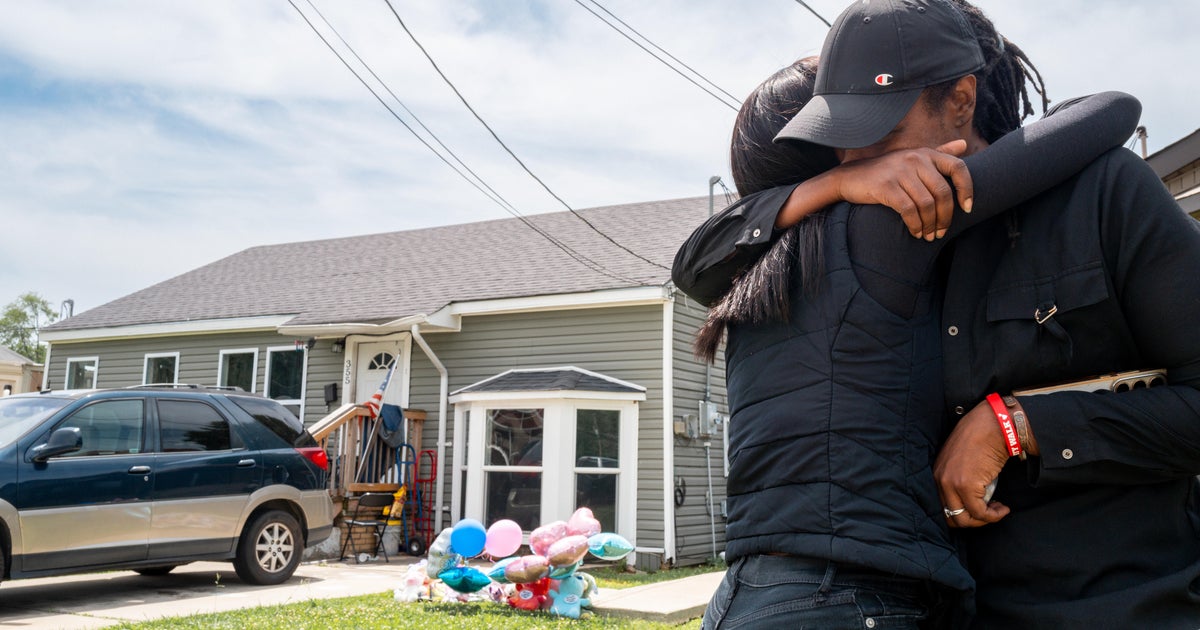
A recent mass shooting in Shreveport, Louisiana, has reignited urgent calls from advocates for legislative action to address critical gaps in domestic violence and gun laws. The tragic incident, which occurred on a Sunday, involved a gunman who killed eight children, seven of whom were his own. This devastating event has brought into sharp focus the ongoing challenges in preventing family violence and the accessibility of firearms to individuals with a history of domestic abuse.
The incident has prompted a nationwide discussion among policymakers and advocacy groups regarding the efficacy of existing statutes designed to protect potential victims. The focus is on how current laws might be strengthened to prevent similar tragedies, particularly concerning individuals with a history of violence against family members. The sheer scale of the loss of life, especially involving so many children, underscores the profound societal impact of such violence.
Key Facts
The mass shooting took place in Shreveport, Louisiana, on a Sunday. The perpetrator was responsible for the deaths of eight children, with seven of them identified as his own offspring. This horrific act has led to immediate and widespread condemnation, alongside renewed appeals for legislative reform. Advocates are specifically highlighting "dangerous gaps" in current domestic violence and gun laws, suggesting these deficiencies contribute to the persistence of such violent acts.
The calls for legislative change are centered on preventing individuals with a history of domestic violence from acquiring firearms and ensuring that protective orders are robustly enforced. The incident serves as a stark reminder of the potential consequences when these protective measures are insufficient or circumvented. The exact details of the gunman's history and the specific weapons used have not been fully disclosed in the provided source, but the general context points to a domestic violence nexus.
Why This Matters
This tragedy resonates deeply across American society, exposing vulnerabilities in legal frameworks intended to safeguard families, particularly children, from domestic violence. The deaths of eight children, predominantly within the perpetrator's own family, underscore the devastating reality of intimate partner violence and its potential to escalate to extreme levels. It forces a critical examination of how communities and legal systems identify and intervene in situations where domestic disputes pose a severe threat.
The broader implications extend to public safety and the ongoing debate surrounding gun control and domestic violence prevention. When such events occur, they erode public trust in the ability of current laws to protect vulnerable populations. Economically, these incidents impose significant costs on society, including emergency response, healthcare for survivors, long-term psychological support, and the immeasurable loss of human potential. Politically, the incident intensifies pressure on lawmakers to revisit and strengthen legislation, often pitting gun rights advocates against those calling for stricter controls, especially for individuals with a history of violence.
Socially, the event highlights the pervasive nature of domestic violence, often hidden behind closed doors until it erupts into public view with catastrophic consequences. It challenges communities to foster environments where victims feel safe to report abuse and where intervention mechanisms are effective and accessible. The collective trauma experienced by the community and the nation following such an event demands a comprehensive societal response that addresses both the immediate aftermath and the underlying systemic issues.
Full Report
The tragic events unfolded in Shreveport, Louisiana, on a Sunday, culminating in a mass shooting that claimed the lives of eight children. Seven of the victims were identified as the perpetrator's own children, adding a profoundly disturbing dimension to the incident. This act of extreme violence has immediately drawn national attention, prompting a renewed and vigorous push from various advocacy groups to address what they describe as critical deficiencies in existing legislation.
Advocates are specifically targeting what they term "dangerous gaps" within current domestic violence and gun laws. Their arguments center on the premise that these legislative shortcomings may inadvertently enable individuals with a history of domestic abuse to retain or acquire firearms, thereby posing an elevated risk to their families and communities. The Shreveport incident is being cited as a stark illustration of the potential catastrophic outcomes when such gaps are exploited.
Organizations dedicated to preventing domestic violence and promoting gun safety are urging policymakers to undertake a thorough review and subsequent amendment of these laws. Their calls emphasize the need for more stringent measures that would prevent individuals subject to domestic violence restraining orders or with documented histories of domestic abuse from possessing firearms. The aim is to create a more robust legal framework that prioritizes the safety of potential victims above all else.
The incident has sparked widespread public outcry and a renewed sense of urgency among those who have long championed reforms in this area. It serves as a grim reminder of the persistent threat posed by domestic violence and the critical role that effective legislation can play in preventing its most extreme manifestations. The focus remains on ensuring that such a tragedy is not repeated, through comprehensive and preventative legal actions.
Context & Background
The issue of domestic violence intersecting with gun ownership has been a contentious and frequently debated topic in the United States for decades. Federal law, specifically the Lautenberg Amendment, prohibits individuals convicted of a misdemeanor crime of domestic violence from possessing firearms. However, advocates argue that enforcement can be inconsistent and that loopholes, such as those pertaining to unmarried partners or individuals subject to temporary restraining orders, still exist.
Many states have their own laws regarding firearm restrictions for those involved in domestic disputes, but these vary widely in scope and enforcement. The challenge often lies in the complex legal definitions of domestic violence, the process of obtaining and enforcing protective orders, and the mechanisms for ensuring that prohibited individuals actually surrender their firearms. This patchwork of laws creates inconsistencies that can be exploited, leading to tragic consequences.
Previous mass shootings and acts of family violence have consistently highlighted these legislative gaps, yet comprehensive federal reform has remained elusive due to political divisions. The current incident in Louisiana adds another devastating data point to a long history of violence that underscores the urgent need for a more unified and effective approach to protecting victims of domestic abuse from armed perpetrators. The societal cost of inaction continues to mount with each new tragedy.
What to Watch Next
In the aftermath of the Shreveport tragedy, attention will likely turn to legislative bodies at both state and federal levels. Advocates are expected to intensify lobbying efforts, pushing for specific bills aimed at closing the identified "dangerous gaps" in domestic violence and gun laws. Watch for potential introductions of new legislation or amendments to existing statutes in the Louisiana state legislature, particularly concerning firearm restrictions for individuals with domestic violence histories.
Federally, organizations will likely pressure Congress to revisit the efficacy of the Lautenberg Amendment and explore avenues for strengthening federal prohibitions. Specific attention may be given to how temporary restraining orders are handled in relation to gun possession. Furthermore, expect increased public discourse and potential policy recommendations from national advocacy groups, possibly leading to public awareness campaigns and grassroots movements demanding legislative action in the coming months.
Source Attribution
This report draws on coverage from CBS News.
Found this story useful? Share it:
Sources (1)
CBS News
"Louisiana mass shooting prompts renewed calls to close "dangerous gaps" in domestic violence, gun laws"
April 22, 2026