
Analysis of Spark Plug Testing Tools and Their Practical Automotive Applications
Structured Editorial Report
This report is based on coverage from Jalopnik and has been structured for clarity, context, and depth.
Key Points
- Spark plug testers verify ignition system functionality by confirming spark plug electrical arc generation.
- Testers range from simple inline devices for visual spark confirmation to advanced units measuring intensity and timing.
- Accurate spark plug diagnosis is crucial for vehicle reliability, fuel efficiency, emission control, and preventing costly repairs.
- Testers complement OBD-II systems by providing direct, physical confirmation of spark, aiding in root-cause identification.
- These tools are valuable for both troubleshooting existing issues and quality control during new spark plug installation.
- The utility of spark plug testers remains high for internal combustion engines, despite advancements in vehicle diagnostics.
Introduction
The necessity and utility of spark plug testers in automotive maintenance are subjects of ongoing discussion among mechanics and vehicle owners. These diagnostic tools, ranging from simple inline devices to more sophisticated units, are designed to assess the functionality of a vehicle's ignition system by verifying the spark plug's ability to generate a proper electrical arc. Understanding the different types of testers and their specific applications is crucial for effective vehicle troubleshooting and preventative maintenance. This report delves into the practical aspects of spark plug testing, examining when and why these tools can be invaluable for diagnosing engine performance issues.
Automotive engines rely on a precisely timed spark to ignite the air-fuel mixture, and a malfunctioning spark plug can lead to a myriad of problems, including misfires, reduced fuel efficiency, and increased emissions. While some may argue that modern engine management systems can often pinpoint ignition issues, manual testing provides a direct, visual confirmation of spark integrity. This direct assessment can save time and resources by quickly isolating the problem to either the spark plug itself or other components within the ignition circuit, thereby streamlining the diagnostic process for both professional technicians and DIY enthusiasts.
Key Facts
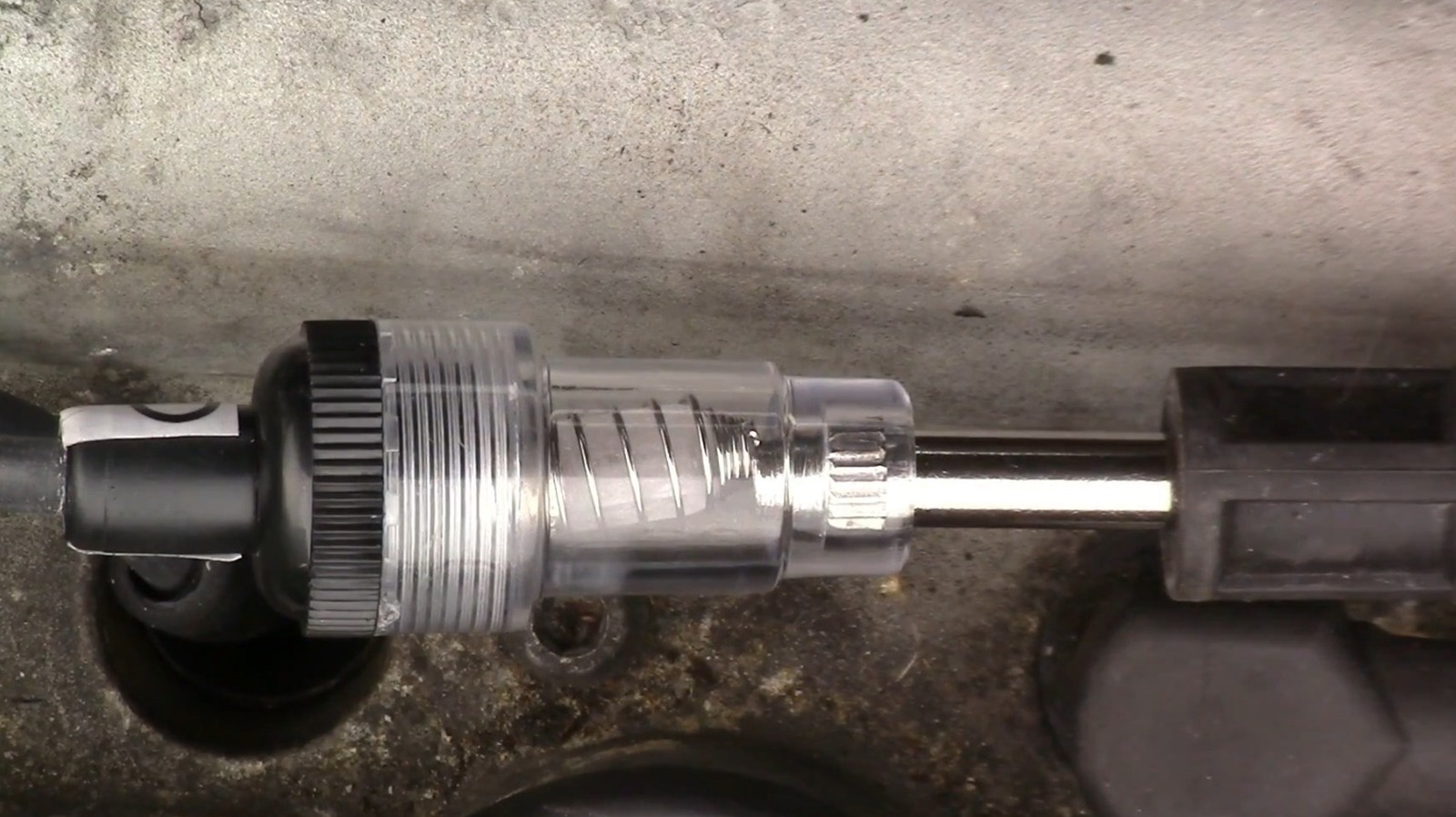
Spark plug testers come in several forms, each offering distinct advantages. The most basic is an inline tester, which connects between the spark plug and its power source (coil pack or cable) to visually confirm spark presence, often via a bulb or small gap. More advanced testers can measure spark intensity and timing, providing a more comprehensive diagnostic picture. These tools are particularly useful for identifying intermittent issues that might not trigger an immediate check engine light, or for verifying the health of new or reconditioned spark plugs before installation.
While the primary function of these testers is to confirm spark, their application extends to diagnosing broader ignition system problems. A consistent, strong spark indicates a healthy plug and associated ignition components, whereas a weak, intermittent, or absent spark points to a fault that needs further investigation. This immediate feedback is invaluable, especially when troubleshooting older vehicles or those without sophisticated onboard diagnostics, making the tester a fundamental component of a well-equipped automotive toolkit.
Why This Matters
The ability to accurately diagnose spark plug issues has significant implications for vehicle reliability, environmental impact, and economic efficiency. A properly firing spark plug ensures complete combustion, maximizing fuel economy and minimizing harmful emissions. Conversely, a failing spark plug can lead to incomplete combustion, resulting in wasted fuel, increased pollutants, and potential damage to catalytic converters, which are expensive components to replace. For the average vehicle owner, this translates directly to higher operating costs and a larger carbon footprint.
Beyond individual vehicle performance, the widespread use of effective diagnostic tools like spark plug testers contributes to overall road safety and vehicle longevity. Identifying and rectifying ignition problems early can prevent more severe engine damage, reducing the likelihood of breakdowns and costly repairs. In a broader sense, promoting proper vehicle maintenance through accessible diagnostic methods supports a more sustainable automotive ecosystem, reducing the demand for new parts and minimizing waste. For mechanics, these tools enhance diagnostic accuracy and efficiency, allowing them to provide better service and build customer trust.
Full Report
The simplest spark plug tester operates on a principle of visual confirmation. An inline tester, for example, is designed to be inserted into the ignition circuit. One end attaches to the spark plug, while the other connects to the coil pack or ignition cable. When the engine is cranked, if a spark is being generated, a light on the tester illuminates or a visible spark jumps a small gap within the device. This provides immediate feedback on whether the spark plug is receiving the necessary electrical charge to fire. This method is quick, straightforward, and requires minimal technical expertise, making it popular for quick checks.
More sophisticated testers might include features such as adjustable spark gaps or integrated pressure gauges, allowing for a more nuanced assessment of spark intensity under various conditions. These advanced tools can simulate engine compression, providing a more accurate representation of how the spark plug performs under operational loads. This capability is particularly valuable for diagnosing subtle misfires or performance dips that are not immediately obvious with a basic inline tester. The ability to vary the spark gap can help identify plugs that are failing under higher voltage demands, which might otherwise appear functional during a simple test.
While modern vehicles are equipped with advanced onboard diagnostic (OBD-II) systems that can detect misfires and log diagnostic trouble codes (DTCs), these systems often indicate a general cylinder misfire without specifying the exact cause. A spark plug tester provides a direct means to confirm if the spark plug itself is the culprit, or if the issue lies further upstream in the ignition coil, wiring, or engine control unit. This direct diagnostic capability complements OBD-II readings, allowing technicians to narrow down the problem quickly and efficiently.
Moreover, spark plug testers are not solely for diagnosing existing problems. They can also be used as a quality control measure when installing new spark plugs. Testing a new plug before installation ensures that it is functional and free from manufacturing defects, preventing the need for re-work and saving valuable time. This proactive approach underscores the utility of these tools beyond mere troubleshooting, positioning them as essential for comprehensive automotive care.
Context & Background
The evolution of spark plug testing tools mirrors the advancements in automotive technology itself. Early automotive systems, with their simpler ignition circuits, often relied on basic visual checks for spark. As engines became more complex and ignition systems transitioned from points and condensers to electronic ignitions and coil-on-plug designs, the need for more precise diagnostic tools grew. The fundamental principle of verifying spark, however, has remained constant, adapting to new technologies.
Prior to the widespread adoption of advanced onboard diagnostics, mechanics heavily relied on manual testing equipment to pinpoint ignition issues. The introduction of OBD-II in the mid-1990s revolutionized diagnostics by providing standardized trouble codes and real-time data. While OBD-II systems are powerful, they often provide symptomatic rather than root-cause information for ignition problems. This is where dedicated spark plug testers retain their relevance, offering a direct, physical confirmation of spark presence and quality that digital systems might only infer.
Furthermore, the increasing complexity of modern engine designs, coupled with tighter emissions regulations, has made precise ignition timing and strong spark delivery more critical than ever. Even slight variations in spark quality can impact engine efficiency and emissions compliance. Therefore, tools that can directly assess spark plug performance continue to be a vital part of a comprehensive diagnostic strategy, bridging the gap between digital diagnostic codes and the physical reality of engine operation.
What to Watch Next
As automotive technology continues to advance, particularly with the proliferation of hybrid and electric vehicles, the role of traditional spark plug testers may evolve. However, for the vast majority of internal combustion engine vehicles currently on the road, these tools will remain indispensable. Future developments might see integration of spark plug testing capabilities directly into more advanced diagnostic scan tools, offering a unified platform for both digital and physical ignition system analysis. Consumers and mechanics should monitor advancements in diagnostic software that can better interpret and correlate misfire data with potential spark plug failures.
Additionally, as vehicle manufacturers continue to optimize engine performance and fuel efficiency, the specifications for spark plug performance will become even more stringent. This could lead to the development of testers capable of more precise measurements of spark duration, voltage, and current, providing even finer diagnostic resolution. Industry standards for spark plug testing procedures may also be updated to reflect these technological shifts, ensuring consistent and accurate diagnostics across the automotive service sector.
Source Attribution
This report draws on coverage from Jalopnik, specifically their article titled "Are Spark Plug Testers Even Remotely Necessary?".
Found this story useful? Share it:
Sources (1)
Jalopnik
"Are Spark Plug Testers Even Remotely Necessary?"
April 18, 2026