
Trump Administration Expedites Review of Psychedelic Drugs, Including Ibogaine, Following Joe Rogan's Advocacy
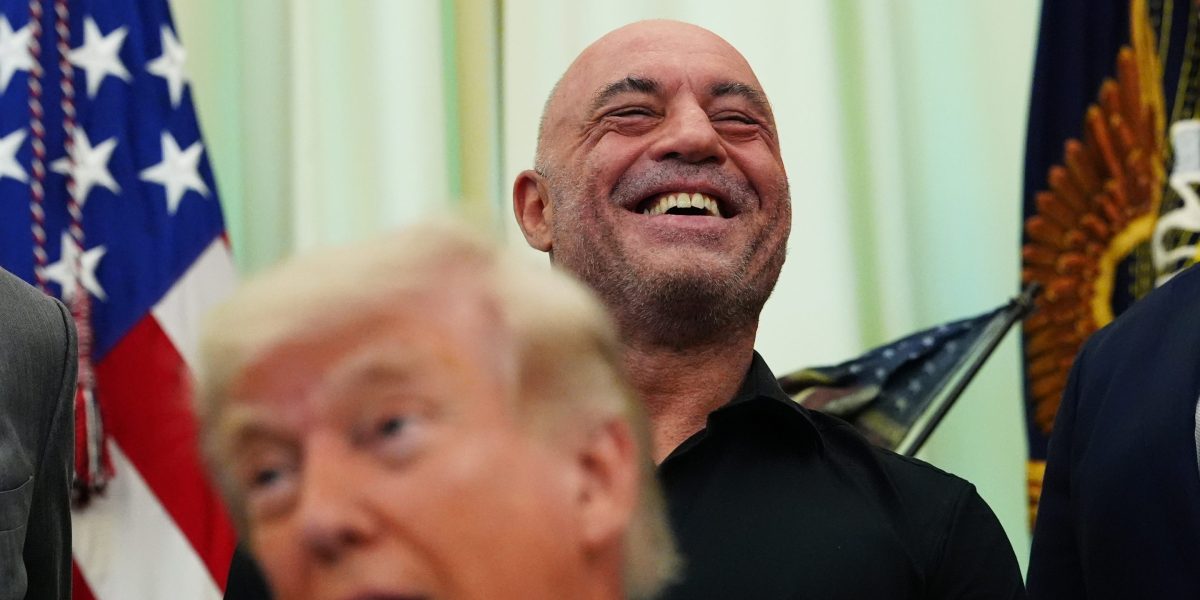
Structured Editorial Report
This report is based on coverage from Fortune and has been structured for clarity, context, and depth.
Key Points
- Former President Trump directed his administration to speed up reviews of psychedelic drugs, including ibogaine.
- The directive followed a text message from podcaster Joe Rogan advocating for ibogaine's therapeutic use.
- Ibogaine is gaining interest among combat veterans and conservatives for treating PTSD and addiction.
- Currently, ibogaine is a Schedule I controlled substance, limiting its research and medical application.
- The move signals a potential shift in regulatory approach towards psychedelics for mental health treatments.
Introduction
Former President Donald Trump has directed his administration to accelerate the review process for certain psychedelic drugs, notably ibogaine. This directive comes after a direct communication from podcaster Joe Rogan, who reportedly texted Trump about the substance's potential benefits. The move signifies a growing interest within conservative circles and among combat veterans in exploring alternative treatments for mental health conditions, particularly those related to trauma.
The expedited review aims to assess the therapeutic potential of these compounds, which have historically faced significant regulatory hurdles. Ibogaine, derived from the root bark of an African shrub, has garnered attention for its purported efficacy in treating addiction and PTSD, though its use remains largely unapproved in the United States. This development could mark a pivotal moment in the re-evaluation of psychedelic-assisted therapies.
Key Facts
President Trump's directive was issued on a Saturday, specifically targeting psychedelic drugs like ibogaine for a faster review by relevant federal agencies. The impetus for this action was a text message from Joe Rogan, who advocated for ibogaine's therapeutic use. Trump's reported response, "Sounds great. Do you want FDA approval? Let’s do it," indicates a direct and swift engagement with the suggestion.
Ibogaine has recently seen increased embrace among combat veterans and within conservative communities, who are exploring its potential as a treatment for conditions such as post-traumatic stress disorder (PTSD) and opioid addiction. The drug is currently classified as a Schedule I controlled substance in the U.S., meaning it has a high potential for abuse and no accepted medical use, a classification that significantly restricts research and clinical application.
Why This Matters
This directive holds significant implications for both public health and pharmaceutical regulation. If successful, expediting the review of psychedelics could pave the way for new treatment modalities for conditions like PTSD, depression, and addiction, which currently affect millions globally and often prove resistant to conventional therapies. The potential for ibogaine, in particular, to address the opioid crisis and veteran mental health issues could offer a desperately needed breakthrough, impacting countless lives and reducing healthcare burdens.
Furthermore, this move reflects a shifting societal and political landscape regarding psychedelic substances. Historically associated with counterculture movements, these compounds are now being seriously considered by mainstream institutions and even conservative figures, driven by compelling anecdotal evidence and emerging scientific research. This shift could challenge long-held stigmas and lead to a more nuanced understanding of their therapeutic value, potentially unlocking new avenues for medical innovation and patient care.
The involvement of a high-profile figure like Joe Rogan and the direct engagement of a former president underscore the growing influence of non-traditional advocates in shaping policy. It highlights how personal testimonies and public discourse can bypass traditional lobbying channels and directly impact executive decisions, potentially accelerating the pace of regulatory change for substances that have been mired in decades of prohibition and limited research. This precedent could empower other advocacy groups seeking to re-evaluate restricted substances.
Full Report
On a recent Saturday, former President Donald Trump issued a directive for his administration to accelerate the review process for certain psychedelic drugs, with a particular focus on ibogaine. This action was reportedly prompted by a text message from prominent podcaster Joe Rogan, who communicated with Trump about the potential therapeutic benefits of the substance. Trump's immediate and positive response, "Sounds great. Do you want FDA approval? Let’s do it," signaled a clear intent to move forward with exploring its medical applications.
Ibogaine, a naturally occurring psychoactive compound derived from the root bark of the Tabernanthe iboga plant, has been gaining traction among specific demographics in the United States. Notably, combat veterans have increasingly turned to ibogaine as an experimental treatment for post-traumatic stress disorder (PTSD) and other psychological traumas experienced during service. Concurrently, conservative groups have also shown a burgeoning interest in the substance, viewing it as a potential solution for mental health crises and addiction, particularly the opioid epidemic.
The current regulatory status of ibogaine in the U.S. presents significant challenges to its widespread adoption and research. It is classified as a Schedule I controlled substance by the Drug Enforcement Administration (DEA), a category reserved for drugs with no currently accepted medical use and a high potential for abuse. This classification severely restricts scientific research and prevents its use in clinical settings, pushing those seeking treatment to unregulated, often international, clinics.
Trump's directive, if fully implemented, would aim to streamline the process by which the Food and Drug Administration (FDA) evaluates such compounds. This could involve prioritizing research applications, facilitating clinical trials, and potentially re-evaluating the scheduling of ibogaine and other psychedelics. The goal is to determine their safety and efficacy more rapidly, potentially leading to their eventual approval for specific medical indications, thereby making them accessible within a regulated healthcare framework.
Context & Background
The interest in psychedelic compounds for therapeutic purposes is not new, but it has experienced a significant resurgence in recent years. Following a period of intense research in the mid-20th century, psychedelics like LSD and psilocybin were largely outlawed and demonized in the 1970s, halting scientific inquiry for decades. This prohibition was driven by cultural anxieties and political movements, despite early promising studies on their potential for treating various mental health conditions.
In the last two decades, a new wave of research, often spearheaded by non-profit organizations and academic institutions, has begun to re-examine these substances. Studies on psilocybin for depression, MDMA for PTSD, and ketamine for severe depression have yielded compelling results, leading to a gradual shift in public perception and regulatory attitudes. This renewed scientific interest has built a foundation for the current discussion around ibogaine, demonstrating a broader trend towards exploring alternative mental health treatments.
Ibogaine itself has a history rooted in West African spiritual practices, where it has been used for centuries in initiation rites and healing ceremonies. Its modern therapeutic application gained attention primarily for its reported ability to interrupt opioid addiction cycles, often with a single administration. However, its complex pharmacology, potential cardiac risks, and lack of extensive clinical trials under modern regulatory standards have kept it on the fringes of Western medicine, despite persistent advocacy from patient groups and some researchers.
What to Watch Next
Observers should monitor the specific actions taken by the FDA and other federal agencies in response to the directive. Key developments will include any announcements regarding expedited review pathways for ibogaine or other psychedelics, the allocation of research funding, or the initiation of new clinical trials. The timeline for these administrative changes will be crucial in determining the practical impact of the directive.
Further, attention should be paid to legislative efforts that may complement or challenge this executive action. As public and political interest in psychedelics grows, there may be bipartisan pushes in Congress to reform drug scheduling laws or to provide additional support for psychedelic research. Any proposed legislation could significantly alter the landscape for these substances, potentially accelerating or hindering their path to medical approval.
Source Attribution
This report draws on coverage from Fortune.
Found this story useful? Share it:
Sources (1)
Fortune
"Trump speeds review of psychedelics after Joe Rogan texted him about ibogaine. ‘Sounds great. Do you want FDA approval? Let’s do it’"
April 18, 2026