Reported Tornado Causes Extensive Damage in Lena, Illinois, Amid Regional Storm System
AI-Summarized Article
ClearWire's AI summarized this story from CBS News into a neutral, comprehensive article.
Key Points
- A tornado was reported to have touched down in Lena, Illinois, approximately 48 miles west of Rockford.
- The reported tornado caused extensive damage, leading to the town of Lena being shut down by authorities.
- The event was part of a larger, massive storm system moving towards the Chicago area on Friday afternoon.
- A tornado warning was issued for the region, indicating severe weather conditions.
- Emergency services are assessing damage and focusing on safety and recovery efforts in the affected community.
Introduction
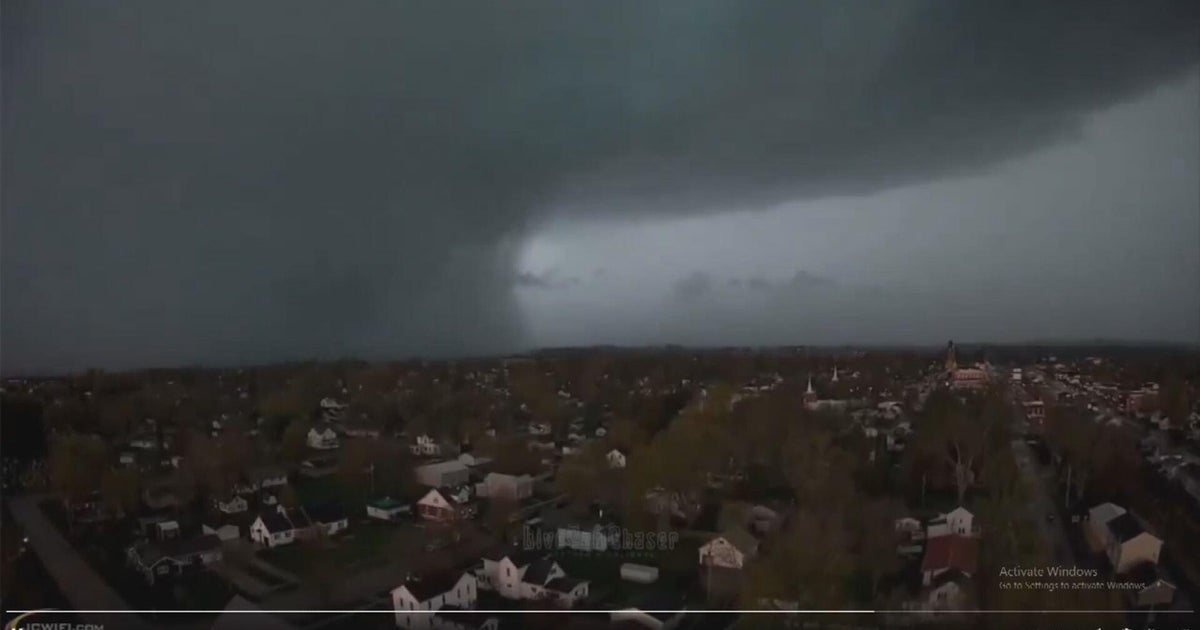
A powerful storm system traversing the Midwest culminated in a reported tornado touchdown in Lena, Illinois, a community situated approximately 48 miles west of Rockford. The event, occurring on a Friday afternoon, precipitated extensive damage across the town, leading to its effective shutdown by local authorities. Emergency services swiftly mobilized to assess the destruction, ensure public safety, and initiate search and rescue operations amidst the immediate aftermath. The incident unfolded under a tornado warning issued for the region, underscoring the severe meteorological conditions present.
Key Facts
* **Location:** Lena, Illinois, a village in Stephenson County, approximately 48 miles west of Rockford.
* **Event:** Reported tornado touchdown.
* **Date/Time:** Friday afternoon (specific date not provided in original text).
* **Impact:** Extensive damage reported across the town.
* **Immediate Consequence:** Lena, Illinois, was effectively shut down by authorities.
* **Warnings Issued:** Tornado warning was active for the affected region.
* **Emergency Response:** Emergency services deployed for assessment, public safety, and potential search and rescue.
* **Broader Context:** Part of a larger, significant storm system advancing eastward towards the Chicago metropolitan area.
* **Confirmed Damage:** Initial reports indicated structural damage to buildings and infrastructure, anticipated power outages, and blocked roads.
* **Operational Response:** Disaster response protocols initiated, including command centers and personnel deployment.
Why This Matters
The reported tornado in Lena, Illinois, carries significant implications for the affected community and the broader region. For residents of Lena, the immediate impact includes potential loss of life, injury, displacement, and substantial property damage to homes and businesses. The shutdown of the town signifies a disruption to daily life, commerce, and essential services, necessitating a prolonged recovery period that can strain local resources and infrastructure. Economically, the cost of repairs, reconstruction, and business interruption can be substantial, potentially affecting local employment and the tax base.
Beyond Lena, this event highlights the persistent threat of severe weather, particularly tornadoes, across Illinois and the Midwest. It underscores the critical importance of robust early warning systems, effective public communication strategies, and well-rehearsed emergency preparedness plans for communities in tornado-prone areas. The storm's trajectory towards a major metropolitan area like Chicago also emphasizes the widespread nature of such threats and the need for regional coordination in disaster response. For individuals, understanding the risks and having personal emergency plans, including designated safe spaces and communication strategies, can be life-saving. For policymakers, the incident serves as a reminder of the ongoing need for investment in resilient infrastructure, advanced meteorological forecasting, and comprehensive disaster relief mechanisms to mitigate the human and economic toll of natural disasters.
Full Report
On a Friday afternoon, a severe storm system traversing the Midwest culminated in a reported tornado touching down in Lena, Illinois. The village, located in Stephenson County approximately 48 miles west of Rockford, experienced extensive damage as a direct result of the powerful weather event. Following the touchdown, local authorities, including the sheriff's office, confirmed that Lena was effectively shut down to facilitate emergency operations and ensure public safety.
The severe weather conditions prompted the issuance of a tornado warning for the affected region, indicating the imminent threat of dangerous atmospheric phenomena. Emergency services were rapidly deployed to the scene, focusing initially on assessing the scope of the destruction, securing hazardous areas, and initiating potential search and rescue missions. Initial reports from the ground indicated significant structural damage to various buildings and critical infrastructure throughout the town. This included residential properties, commercial establishments, and public facilities.
Beyond structural damage, the tornado's impact was anticipated to cause widespread power outages, disrupting essential services and communications. Roadways were also expected to be blocked by debris, fallen trees, and damaged structures, impeding travel and the movement of emergency vehicles. In response to the unfolding disaster, authorities activated established protocols for emergency management. This involved the setting up of command centers to coordinate response efforts and the deployment of personnel to systematically cover affected neighborhoods. The primary objective of these initial efforts was to ensure the safety and well-being of Lena's residents, identify any individuals who might be injured or trapped, and provide immediate assistance. The severity of the damage suggested a profound and lasting impact on the local community, necessitating a sustained and comprehensive recovery effort in the days and weeks to follow. The incident serves as a stark illustration of the destructive capacity of tornadoes and the imperative for robust emergency preparedness and response mechanisms in vulnerable regions.
Context & Background
Illinois is situated within a geographical region commonly referred to as "Tornado Alley" or, more accurately for the state, within the broader "Dixie Alley" and Midwestern tornado-prone areas. This designation signifies its susceptibility to severe weather phenomena, particularly tornadoes, which are most prevalent during the spring and early summer months. The state frequently experiences powerful storm systems originating from the collision of warm, moist air from the Gulf of Mexico with cool, dry air from the north, often accompanied by strong jet streams. These atmospheric conditions create an environment conducive to the formation of supercell thunderstorms capable of generating multiple tornado touchdowns across various counties.
The meteorological patterns that lead to such events are closely monitored by organizations like the National Weather Service (NWS). Advanced radar systems, satellite imagery, and atmospheric models allow meteorologists to track the development and eastward movement of storm systems, providing crucial lead time for issuing warnings. This specific storm system, which ultimately impacted Lena, Illinois, was tracked as it developed and progressed across the region. Its trajectory towards a major metropolitan area like Chicago underscored the widespread nature of the threat and the potential for broad societal impact.
Historically, Illinois has experienced numerous significant tornado events, leading to the development of sophisticated emergency management protocols. Local emergency management agencies (EMAs) often coordinate extensively with state-level entities, such as the Illinois Emergency Management Agency (IEMA), and federal resources, including the Federal Emergency Management Agency (FEMA), to mitigate the effects of large-scale weather events. This coordination encompasses everything from public education campaigns on tornado safety to the deployment of search and rescue teams and the provision of disaster relief. The infrastructure for warning dissemination, including NOAA Weather Radios, emergency alert systems (EAS), and wireless emergency alerts (WEA) on mobile phones, is critical in ensuring that timely warnings reach potentially affected populations, allowing for protective actions to be taken.
What to Watch Next
In the immediate aftermath of the reported tornado in Lena, Illinois, several key developments will require close monitoring. The foremost priority will be the ongoing assessment of damage, which will transition from initial surveys to more comprehensive evaluations by structural engineers and insurance adjusters. This will determine the full extent of property loss, infrastructure damage, and the overall cost of recovery. The status of power restoration and the reopening of critical roadways will also be crucial indicators of the community's return to normalcy.
Beyond the initial response, attention will shift to the long-term recovery efforts. This includes the activation of state and potentially federal disaster assistance programs, which will be vital for residents and businesses seeking aid for rebuilding. The coordination between local, state, and federal agencies in providing resources, housing assistance, and mental health support will be a critical aspect to observe. The process of debris removal and waste management will also be a significant undertaking, impacting environmental health and community aesthetics.
From a meteorological perspective, experts will likely analyze radar data, storm surveys, and eyewitness accounts to confirm the tornado's strength (rated on the Enhanced Fujita scale) and its precise path. This post-event analysis contributes to improved forecasting models and warning systems. Furthermore, the broader weather patterns across the Midwest will continue to be monitored for the potential development of additional severe storm systems, particularly as the spring and early summer severe weather season progresses. The effectiveness of emergency communication channels during this event will also be reviewed, potentially leading to adjustments in how warnings are disseminated to the public in future severe weather situations.
Source Attribution
* Local law enforcement and sheriff's office reports (Lena, Illinois)
* Emergency services and disaster response agencies
* National Weather Service (NWS) meteorological reports and warnings
* Regional news outlets covering the event and its aftermath
Found this story useful? Share it:
Sources (1)
CBS News
"Reported tornado in Lena, Illinois, west of Rockford causes extensive damage; sheriff says town shut down"
April 17, 2026