
Amazfit Fitness Trackers: An Analysis of Their Value and Performance in the Wearables Market
AI-Summarized Article
ClearWire's AI summarized this story from NBC News into a neutral, comprehensive article.
Key Points
- Amazfit offers budget-friendly fitness trackers as an alternative to premium brands like Garmin and Google.
- The devices typically include heart rate monitoring, step counting, sleep tracking, and various sport modes.
- Amazfit aims to balance cost-effectiveness with comprehensive health and activity tracking features for a broad consumer base.
- Recent models have improved sensor accuracy, battery life, and display quality, often including GPS and SpO2 monitoring.
- Limitations may include less advanced data precision and a less robust app ecosystem compared to high-end competitors.
- The brand's strategy focuses on making wearable technology accessible, appealing to price-sensitive consumers.
Overview
Amazfit, a brand under Huami (now Zepp Health), has emerged as a prominent budget-friendly alternative in the competitive fitness tracker market. Positioned against more expensive brands like Garmin and Google, Amazfit offers a range of wearables designed to provide essential fitness tracking functionalities at a lower price point. The brand aims to make health monitoring accessible to a broader consumer base, focusing on core features without the premium cost associated with high-end devices. This analysis explores the efficacy and value proposition of Amazfit trackers based on their features, performance, and market standing.
Amazfit devices typically include features such as heart rate monitoring, step counting, sleep tracking, and various sport modes. While they may not always match the advanced accuracy or ecosystem integration of their pricier counterparts, they often deliver satisfactory performance for general fitness enthusiasts. The brand's strategy revolves around balancing cost-effectiveness with a comprehensive suite of health and activity tracking capabilities. This approach has allowed Amazfit to carve out a significant niche, appealing to consumers seeking functional wearables without a substantial investment.
Background & Context
Founded in 2015, Amazfit quickly expanded its product line to include smartwatches, fitness bands, and other health-related devices. The company's parent, Zepp Health (formerly Huami), has a strong background in wearable technology and has been a key manufacturer for other major brands. This experience has enabled Amazfit to leverage established manufacturing processes and research and development capabilities to produce a diverse portfolio of devices. Their market entry capitalized on the growing demand for personal health technology, particularly among users who are price-sensitive but still desire reliable tracking.
Amazfit's growth reflects a broader trend in the consumer electronics market where affordable, feature-rich alternatives gain traction against established premium brands. The brand's success is also partly attributed to its global distribution network and consistent release of new models that incorporate evolving technological advancements. By continuously updating their offerings, Amazfit maintains relevance in a fast-paced industry, addressing consumer needs for both innovation and affordability.
Key Developments
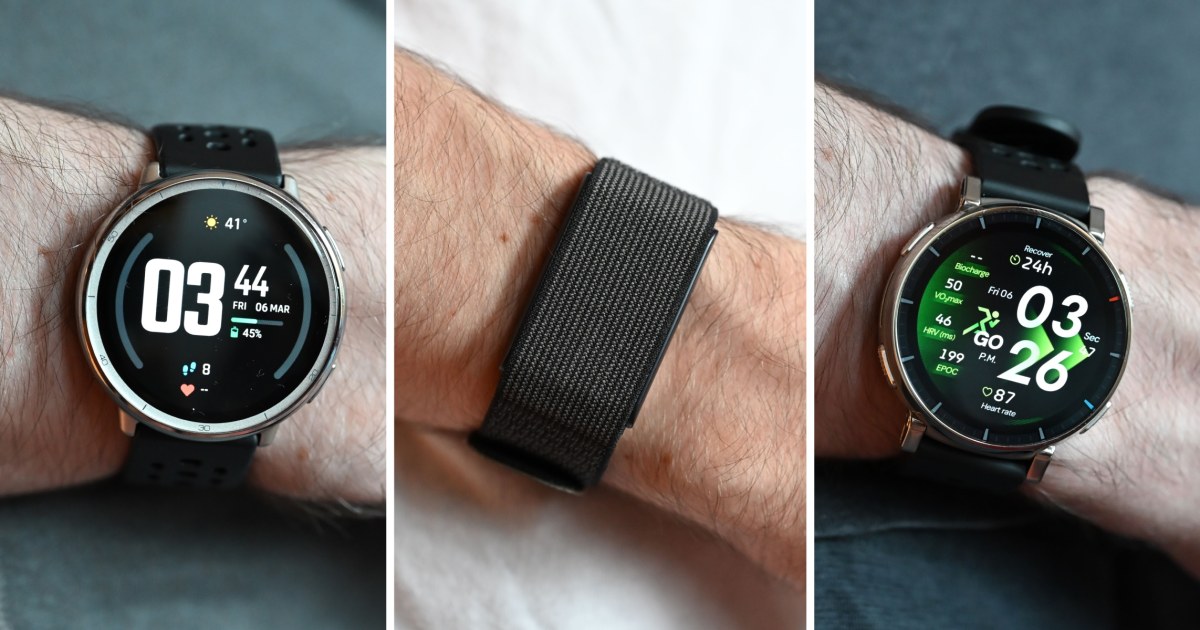
Recent Amazfit models have shown improvements in sensor accuracy, battery life, and display quality, making them more competitive. For instance, some devices now incorporate GPS, SpO2 monitoring, and more sophisticated sleep analysis. While these features are common in high-end trackers, Amazfit integrates them into devices that remain significantly more affordable. User reviews often highlight the impressive battery life as a key advantage, with many models offering weeks of use on a single charge.
However, some limitations have been noted, particularly concerning the precision of certain metrics compared to medical-grade devices or top-tier fitness trackers. The companion app, Zepp App, has also seen continuous updates, enhancing data visualization and user experience. Despite these advancements, the overall ecosystem and third-party app integration may not be as robust as those offered by Apple Watch or Garmin devices. This balance of advanced features with some compromises is central to Amazfit's value proposition.
Perspectives
Industry analysts generally view Amazfit as a strong contender in the budget fitness tracker segment, offering significant value for its price point. Consumers looking for basic to intermediate fitness tracking without breaking the bank often find Amazfit devices to be a suitable choice. Reviewers frequently praise the brand for democratizing access to wearable technology, making health monitoring more accessible to a wider demographic. The trade-off for the lower cost typically involves less advanced analytics or a less polished software ecosystem compared to premium brands.
Conversely, users with specific needs for highly accurate data, advanced training metrics, or seamless integration with professional fitness platforms might find Amazfit's offerings less comprehensive. These users often gravitate towards brands that specialize in performance analytics or have extensive health ecosystems. However, for the average user interested in monitoring daily activity, sleep, and general heart rate, Amazfit provides a compelling and cost-effective solution. The brand's success underscores a market segment prioritizing functionality and affordability over absolute cutting-edge performance.
What to Watch
Future developments for Amazfit will likely focus on further refining sensor accuracy, improving software integration, and expanding their health-monitoring capabilities. Consumers should monitor new product releases for advancements in GPS precision, heart rate variability tracking, and potential partnerships that could enhance third-party app compatibility. The brand's ability to maintain its competitive pricing while integrating more sophisticated features will be crucial for its continued growth in the dynamic wearables market.
Found this story useful? Share it: