
Mayors Discuss Strategies to Combat Homelessness at Harvard Event
AI-Summarized Article
ClearWire's AI summarized this story from Harvard School of Engineering and Applied Sciences into a neutral, comprehensive article.
Key Points
- Three American mayors shared strategies for combating homelessness at a Harvard University event.
- The discussions focused on localized, data-driven solutions, including rapid re-housing and 'Housing First' models.
- An estimated 770,000 people were homeless in the U.S. at the time of the gathering.
- Mayors emphasized partnerships with non-profits, preventative measures, and comprehensive support services.
- The event highlighted the need for both local innovation and broader governmental support to address homelessness.
Overview
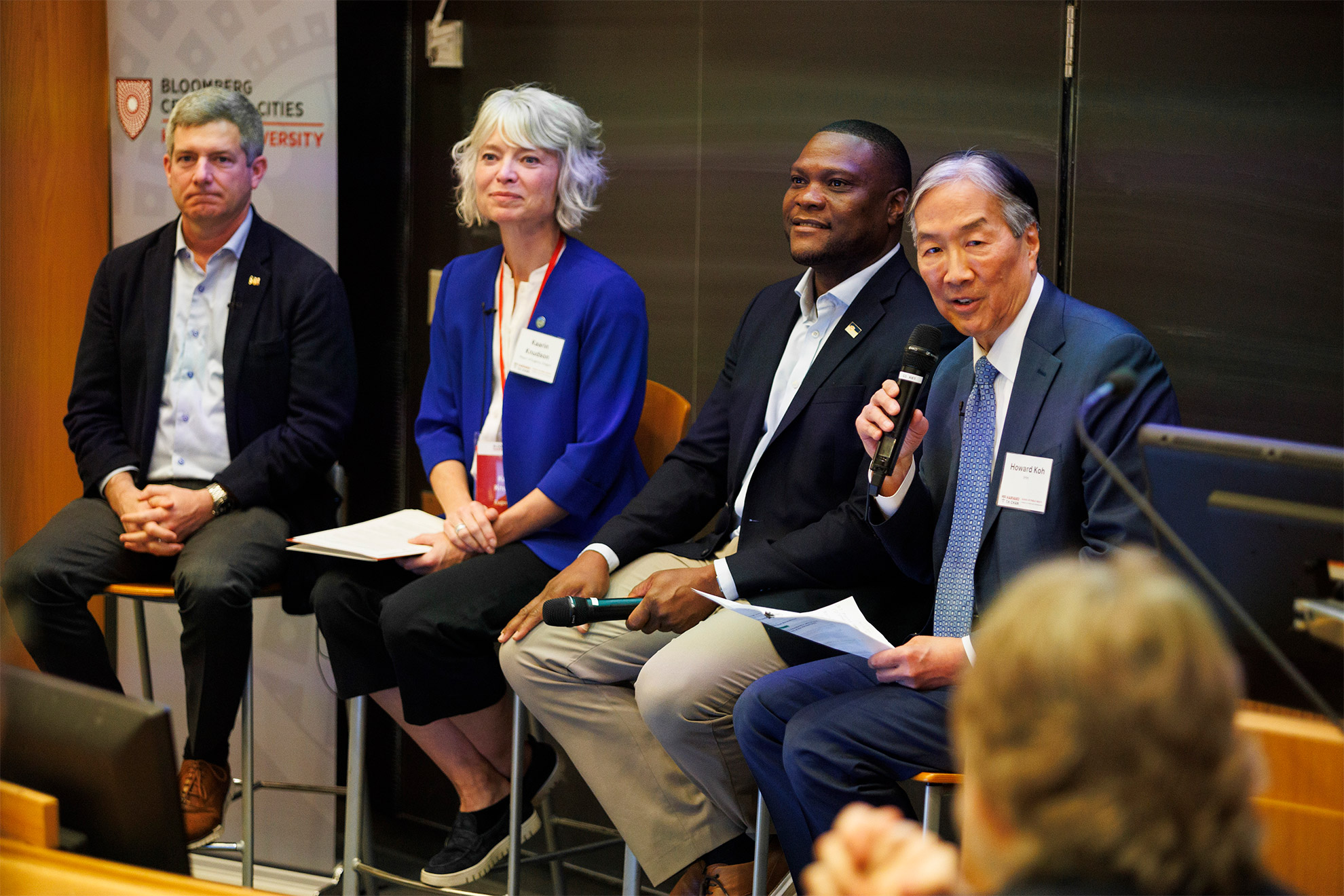
Three American mayors recently convened at Harvard University to share and discuss the innovative strategies they are implementing in their respective cities to address the persistent challenge of homelessness. The event highlighted diverse approaches and collaborative efforts aimed at reducing the number of individuals experiencing homelessness across the United States. This gathering underscores a growing national focus on localized solutions to a complex social issue.
Their discussions centered on practical, data-driven initiatives, emphasizing the importance of tailored interventions that respond to the unique needs of different urban populations. The mayors' participation at a prominent academic institution like Harvard signals a commitment to evidence-based policy-making and inter-city learning in the fight against homelessness.
Background & Context
Homelessness remains a significant societal concern in the U.S., with an estimated 770,000 individuals experiencing homelessness at the time of the discussion, a figure that fluctuates but consistently represents a substantial population in need. This issue is often exacerbated by factors such as housing affordability crises, mental health challenges, substance abuse, and economic instability. Cities across the nation are grappling with the multifaceted nature of homelessness, requiring comprehensive and often resource-intensive solutions.
The historical context of homelessness in America reveals a shift from institutionalization to community-based care, which has presented both opportunities and challenges for municipal governments. The current landscape necessitates mayors to act as key innovators, developing and advocating for policies that integrate housing, healthcare, and social services. Their shared experiences offer valuable insights into effective governance in this critical area.
Key Developments
The mayors detailed several key strategies, including rapid re-housing programs, which aim to quickly move individuals from homelessness into permanent housing with support services. They also discussed the implementation of 'Housing First' models, which prioritize providing stable housing without preconditions, demonstrating positive outcomes in reducing chronic homelessness. Another significant approach involved strengthening partnerships with non-profit organizations and federal agencies to leverage resources and expertise.
Furthermore, the discussions touched upon preventative measures, such as rental assistance programs and initiatives to address the root causes of housing insecurity. The mayors emphasized the importance of data collection and analysis to identify at-risk populations and tailor interventions more effectively. Their collective experience highlighted the necessity of a holistic approach that combines emergency relief with long-term systemic changes.
Perspectives
The participating mayors uniformly expressed a commitment to human-centered solutions, acknowledging the dignity and individual circumstances of those experiencing homelessness. Their shared perspective is that effective solutions require not only financial investment but also a compassionate and coordinated community response. While specific tactics may vary by city, the underlying principle of providing stable housing and comprehensive support services was a common thread.
Their dialogue also implicitly underscored the need for federal support and policy alignment to bolster local efforts. The challenges discussed, such as securing adequate funding and overcoming bureaucratic hurdles, suggest that while local leadership is crucial, a broader governmental framework is essential for sustained progress. The event served as a platform to advocate for continued attention and resources for this national crisis.
What to Watch
Future developments will likely include the continued evaluation of these municipal strategies for scalability and long-term effectiveness. Observers should monitor how these innovative approaches influence national policy discussions and whether they lead to measurable reductions in homelessness rates in the participating cities. The ongoing collaboration among city leaders and academic institutions could also foster new research and best practices in urban social policy.
Found this story useful? Share it:
Sources (1)
Harvard School of Engineering and Applied Sciences
"How 3 mayors are combating homelessness"
April 17, 2026