
Canada Seeks Comprehensive Trade Agreement with U.S. to Address Frictions
AI-Summarized Article
ClearWire's AI summarized this story from Financial Post into a neutral, comprehensive article.
Key Points
- Canada seeks a comprehensive trade agreement with the U.S. to resolve frictions, rather than one-off solutions.
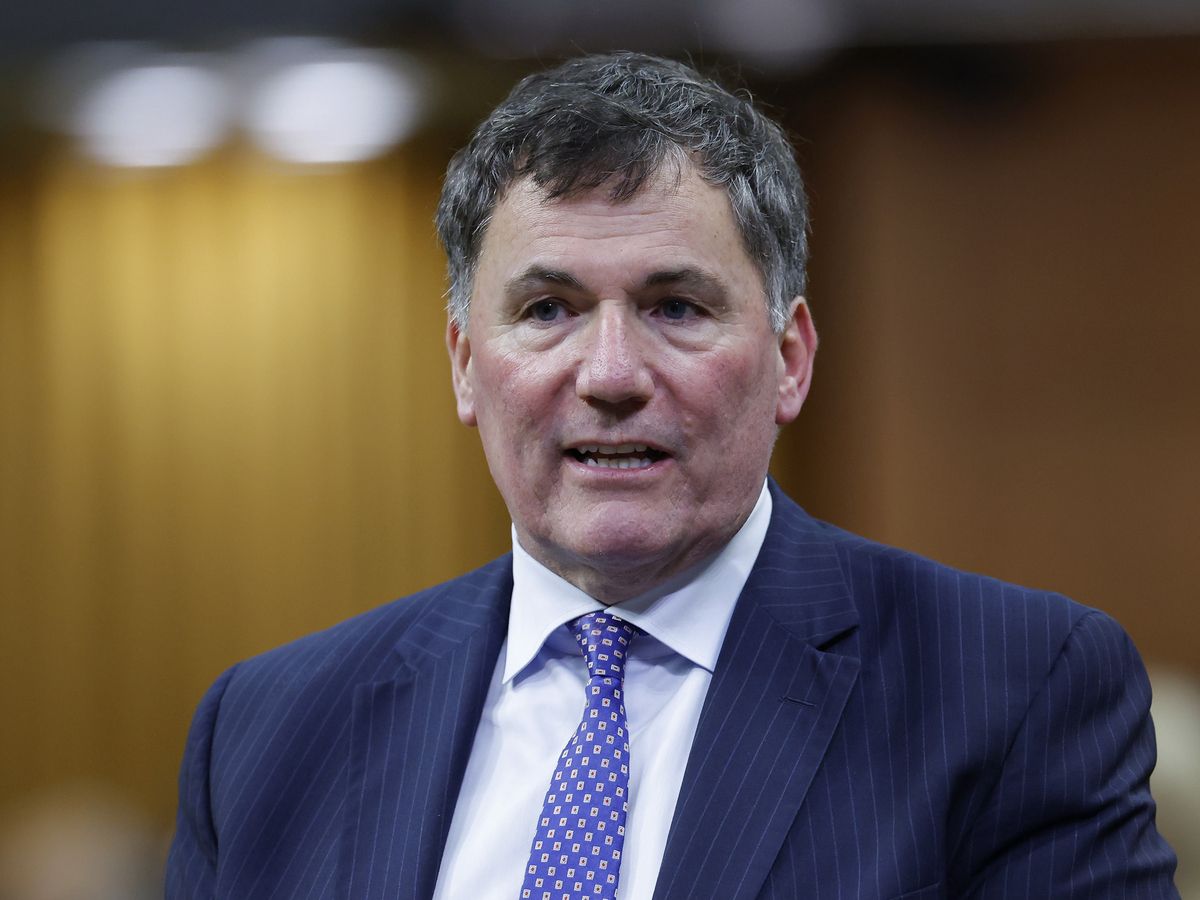
- Canadian Trade Minister Dominic LeBlanc articulated this strategy amidst concerns about a potential future Trump administration.
- The goal is to establish a more stable and predictable trade relationship between the two largest trading partners.
- Canada aims to preemptively address potential protectionist measures and tariffs experienced during Trump's previous term.
- The approach reflects a desire for a durable framework that can withstand political changes and ensure economic stability.
- Ongoing diplomatic exchanges and the upcoming U.S. presidential election will be critical factors to watch.
Overview
Canadian Trade Minister Dominic LeBlanc has indicated that Canada aims to resolve ongoing trade frictions with the United States through a comprehensive agreement, rather than addressing issues on a one-off basis. This approach signals Canada's preference for a broad solution, particularly in anticipation of potential challenges from a future Trump administration. The objective is to establish a more stable and predictable trade relationship between the two nations, which are each other's largest trading partners.
The discussions come amidst concerns about the future of Canada-U.S. trade relations, especially given former President Donald Trump's past protectionist policies and rhetoric. Canada's strategy appears to be proactive, seeking to solidify trade terms before a potential shift in U.S. leadership. The focus is on securing a durable framework that can withstand political changes and ensure continued economic stability.
Background & Context
The relationship between Canada and the United States has historically been robust, underpinned by the North American Free Trade Agreement (NAFTA), which was renegotiated into the United States-Mexico-Canada Agreement (USMCA) under the Trump administration. During his presidency, Trump imposed tariffs on Canadian steel and aluminum and threatened to withdraw from NAFTA, creating significant trade uncertainty. These past actions highlight the volatility that can arise in the bilateral trade relationship.
The current Canadian government is keen to avoid a repeat of the trade disputes experienced during Trump's previous term. By advocating for a comprehensive agreement now, Canada hopes to preemptively address potential protectionist measures or new tariffs. This strategic move aims to safeguard Canadian industries and ensure continued market access for its exports to the U.S.
Key Developments
Minister LeBlanc's statements emphasize a desire for a holistic resolution to trade issues, suggesting that Canada is preparing for various scenarios, including a potential return of Donald Trump to the White House. The Canadian government is actively engaging with U.S. officials and stakeholders to articulate its position and explore avenues for a broader agreement. This proactive diplomacy underscores the importance Canada places on its economic ties with the U.S.
The discussions likely encompass a range of issues beyond specific tariffs, potentially including regulatory alignment, supply chain resilience, and digital trade. Canada's approach reflects a lesson learned from past trade disputes, where piecemeal negotiations often led to prolonged uncertainty. By seeking a comprehensive deal, Canada aims to establish clear rules and reduce the likelihood of future trade disruptions.
Perspectives
From Canada's perspective, a comprehensive trade agreement offers greater predictability and stability for its export-oriented economy. It would provide Canadian businesses with a more secure operating environment, reducing the risks associated with sudden policy shifts in the U.S. The Canadian government believes that a broad agreement would benefit both countries by fostering stronger economic integration and mutual prosperity.
While the U.S. administration's current stance on a comprehensive deal is not explicitly detailed in the provided information, any such agreement would likely require significant negotiation and compromise from both sides. The U.S. might prioritize different aspects of trade, potentially focusing on issues like intellectual property or market access for specific sectors. The challenge will be to find common ground that addresses the core concerns of both nations.
What to Watch
Observers should monitor the ongoing diplomatic exchanges between Canadian and U.S. trade officials for any indications of progress towards a comprehensive agreement. The upcoming U.S. presidential election will be a critical factor, as a change in administration could significantly alter the dynamics of these trade discussions. Any specific proposals or frameworks for a broader trade deal will be key developments to follow in the coming months.
Found this story useful? Share it:
Sources (1)
Financial Post
"Canada presses for wider trade agreement in talks with U.S."
April 16, 2026