
U.S. Farmers Anticipate Significant Fertilizer Shortages by 2026
AI-Summarized Article
ClearWire's AI summarized this story from Theeconomiccollapseblog.com into a neutral, comprehensive article.
Key Points
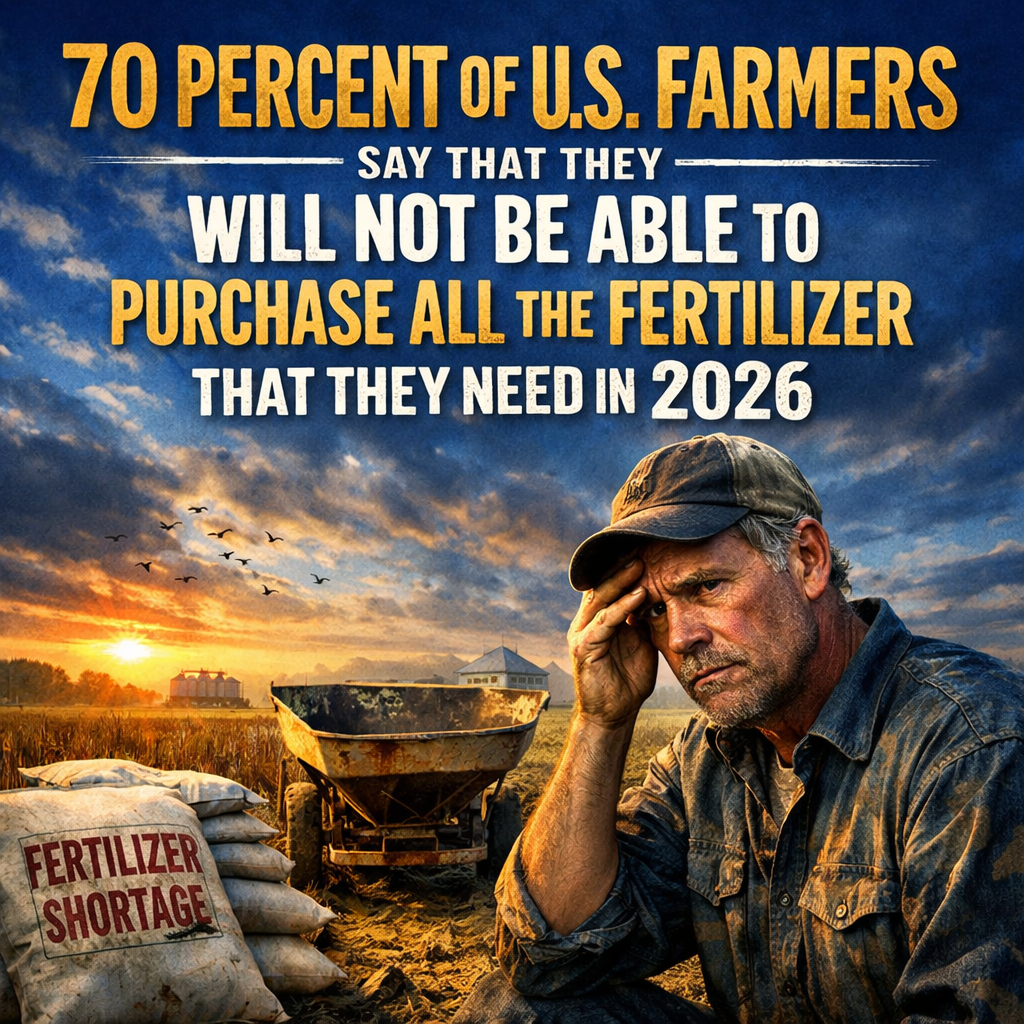
- 70% of U.S. farmers anticipate being unable to purchase all necessary fertilizer by 2026.
- This projected shortage poses a significant threat to future agricultural production and food supply.
- The concern adds to existing challenges for U.S. farmers, including ongoing economic and logistical hurdles.
- Access to fertilizer is critical for crop yields and the overall profitability of farming operations.
- The widespread nature of this farmer concern suggests a systemic issue in agricultural input supply chains.
Overview
A substantial majority of U.S. farmers, approximately 70 percent, project that they will be unable to acquire all the necessary fertilizer for their operations by 2026. This forecast highlights a looming challenge for agricultural production in the United States, potentially impacting food supply chains. The issue extends beyond a single growing season, indicating a systemic concern for the future of farming viability. This anticipated shortage could exacerbate existing pressures on the agricultural sector, which is already facing various economic and logistical hurdles.
This projection comes amidst what some observers describe as an ongoing farming crisis in America. The inability to secure essential inputs like fertilizer poses a direct threat to crop yields and the overall profitability of farming enterprises. Farmers are signaling a critical problem that could have far-reaching consequences for domestic food security and the broader economy, emphasizing the urgency of addressing agricultural input supply chain vulnerabilities.
Background & Context
The current concerns about fertilizer availability are not isolated, building upon previous challenges faced by the agricultural sector. The industry has grappled with supply chain disruptions, rising input costs, and labor shortages in recent years. Fertilizer, a critical component for maximizing crop yields, has seen price volatility and availability issues, contributing to farmers' anxieties about future production capabilities. This situation underscores the delicate balance required to maintain a stable food supply, which relies heavily on predictable access to essential resources.
Key Developments
The primary development is the statistic revealing that 70 percent of U.S. farmers expect to face fertilizer shortfalls by 2026. This figure, as reported by the source, serves as a stark indicator of the perceived severity of the problem within the farming community. While specific reasons for this anticipated shortage are not detailed in the provided text, the implication is a combination of supply chain constraints, economic factors, and potentially geopolitical influences affecting global fertilizer markets. The widespread nature of this concern among farmers suggests a systemic issue rather than isolated incidents.
Perspectives
From the perspective of the agricultural community, the anticipated fertilizer shortage represents a significant threat to their livelihoods and the nation's food production capacity. Farmers are directly communicating their concerns, indicating a need for proactive measures to avert a potential crisis. The broader implication is that if farmers cannot grow sufficient food due to input limitations, consumers will ultimately face consequences in terms of food availability and pricing. This situation underscores the interconnectedness of agricultural inputs, farm viability, and national food security.
What to Watch
Stakeholders should monitor government policies related to agricultural subsidies, trade agreements affecting fertilizer imports, and domestic production capabilities. The agricultural industry will likely seek solutions to diversify fertilizer sourcing and potentially explore alternative soil nutrient management strategies. Future reports and surveys from farming organizations will provide further insight into the evolving situation and the effectiveness of any mitigating actions taken.
Found this story useful? Share it:
Sources (1)
Theeconomiccollapseblog.com
"70 Percent Of U.S. Farmers Say That They Will Not Be Able To Purchase All The Fertilizer That They Need In 2026"
April 15, 2026