
Berlin Hosts International Conference on Sudan's Humanitarian Crisis Amid Ongoing Conflict
AI-Synthesized from 2 Sources
ClearWire's AI read coverage of this story from DW (English) and synthesized a single balanced, unbiased summary that cites each outlet where their reporting differs.
Key Points
- Berlin hosted a conference addressing Sudan's severe humanitarian crisis, described as the world's most severe and largely unnoticed.
- The crisis stems from a brutal power struggle between rival military factions, the SAF and RSF, since April 2023.
- Millions of Sudanese are displaced and face acute food insecurity, pushing the nation towards famine.
- The conference aimed to galvanize international attention, secure humanitarian aid, and coordinate efforts for a resolution.
- Discussions focused on aid delivery, civilian protection, and the need for a ceasefire and civilian-led government.
- The international community's response has been criticized as insufficient given the scale of the ongoing suffering.
- Future efforts will focus on implementing aid pledges, ensuring humanitarian access, and pursuing a political solution.
Overview
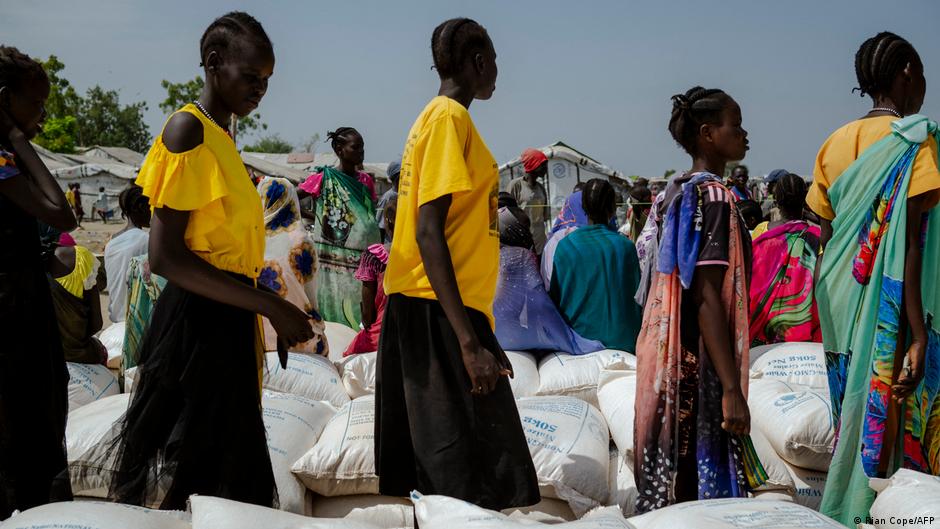
Berlin recently hosted an international conference focused on the humanitarian crisis in Sudan, aiming to address what has been described as the world's most severe and largely unnoticed catastrophe. The event brought together international stakeholders to discuss the escalating conflict and its devastating impact on the Sudanese population. Over the past three years, rival factions of Sudan's ruling military have been engaged in a brutal power struggle, leading to widespread displacement, famine, and a collapse of essential services. The conference sought to galvanize international attention and resources for the country.
The conflict has resulted in millions displaced and a severe food shortage, pushing the nation to the brink of famine. The international community, despite the scale of the crisis, has been slow to respond comprehensively. This conference in Berlin served as a critical platform to re-emphasize the urgency of the situation and coordinate efforts for humanitarian aid and a potential resolution to the conflict. The discussions aimed to highlight the dire conditions and secure commitments for assistance from participating nations and organizations.
Background & Context
Sudan has been embroiled in a protracted conflict since April 2023, following a power struggle between the Sudanese Armed Forces (SAF) led by General Abdel Fattah al-Burhan and the Rapid Support Forces (RSF) commanded by General Mohamed Hamdan Dagalo, known as Hemedti. Both generals were key figures in the 2021 military coup that derailed Sudan's transition to democracy. Their subsequent rivalry erupted into open warfare, plunging the country into chaos and exacerbating pre-existing vulnerabilities. The conflict has its roots in the complex political landscape post-Omar al-Bashir's overthrow and the struggle for control over the state and its resources.
The humanitarian situation has deteriorated rapidly, with reports indicating that millions are facing acute food insecurity and displacement. The scale of the crisis is immense, with a significant portion of the population requiring humanitarian assistance. The international community's response has been criticized as insufficient, given the magnitude of suffering. The Berlin conference aimed to draw renewed attention to this forgotten war and mobilize a more robust global effort to mitigate its consequences and work towards a peaceful resolution.
Key Developments
The Berlin conference underscored the urgent need for increased humanitarian funding and a political solution to the conflict. Participants discussed strategies for delivering aid to hard-to-reach areas and protecting civilians caught in the crossfire. Specific pledges for financial assistance were a key outcome, though the exact figures and commitments require further detailing from the conference organizers.
The discussions also touched upon the challenges of access for humanitarian organizations, with both warring factions often impeding aid delivery. The conference highlighted the critical role of neighboring countries and regional bodies in facilitating peace talks and providing refuge for displaced Sudanese. Efforts to establish safe corridors for aid and ensure the protection of humanitarian workers were central to the agenda, emphasizing the need for all parties to respect international humanitarian law.
Perspectives
The conference served as a unified platform for international stakeholders to express deep concern over the escalating violence and the dire humanitarian situation in Sudan. There was a general consensus among participants on the necessity of a ceasefire and a return to a civilian-led transitional government. The discussions reflected a shared perspective that the conflict's resolution requires a multi-faceted approach, combining diplomatic pressure, humanitarian aid, and accountability for atrocities.
While both DW (English) reports presented a consistent narrative regarding the severity of the crisis and the purpose of the conference, they collectively emphasized the international community's responsibility to act decisively. The framing consistently highlighted the
Found this story useful? Share it:
Sources (2)
DW (English)
"Berlin hosts Sudan conference amid brutal, forgotten war"
April 15, 2026
DW (English)
"Berlin hosts Sudan Conference: a brutal, forgotten conflict"
April 15, 2026