
Public Volunteer Efforts Track Declining Butterfly Numbers, Identify Resilient Species
AI-Summarized Article
ClearWire's AI summarized this story from BBC News into a neutral, comprehensive article.
Key Points
- Butterfly populations are generally declining, but extensive public volunteer efforts are tracking these changes.
- Volunteers have walked over 932,000 miles across more than 7,600 sites to collect crucial butterfly data.
- This comprehensive 'evidence timeline' is considered vital for understanding environmental impacts and conservation.
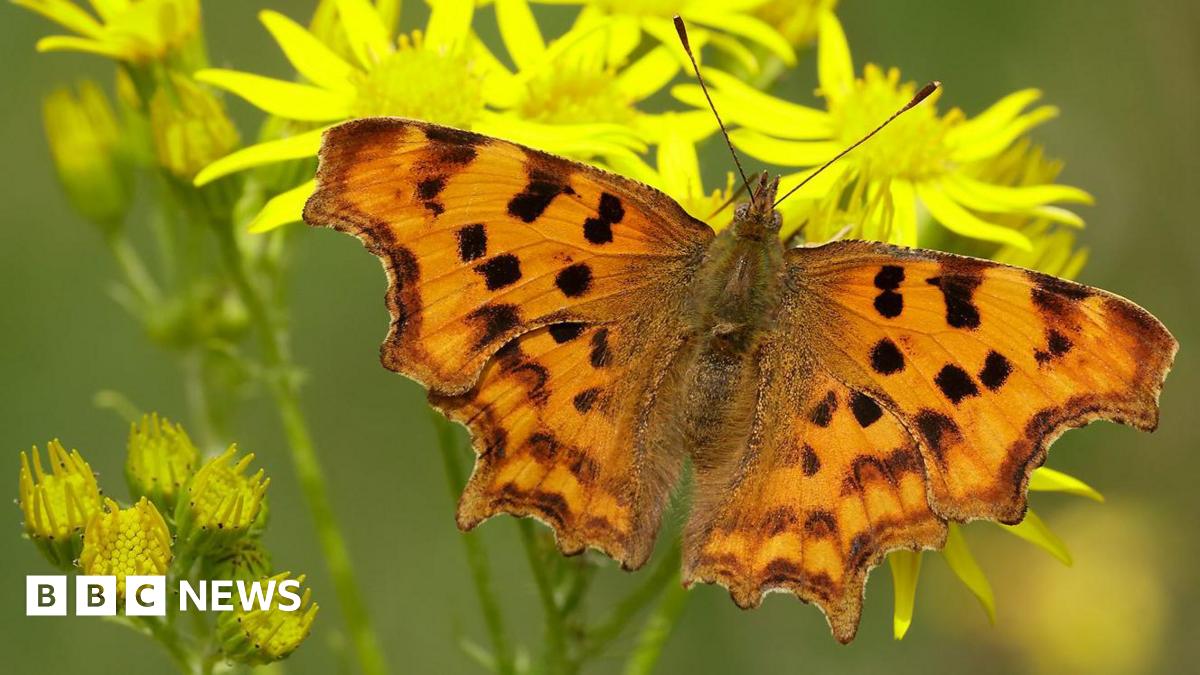
- Despite the overall decline, monitoring has identified five specific butterfly species showing increased numbers.
- The data helps identify both struggling and resilient species, offering nuanced insights into ecological responses.
- Citizen science is critical for long-term ecological monitoring and informing conservation strategies.
Overview
Butterfly populations are experiencing a decline, a trend being meticulously monitored through extensive public volunteer efforts. This significant data collection initiative involves volunteers traversing vast distances across numerous sites to gather crucial information on butterfly species. The insights gained from this long-term monitoring are considered indispensable for understanding environmental changes and informing conservation strategies. Without such a comprehensive timeline of evidence, conservationists and scientists would lack the necessary data to assess population health accurately.
This monitoring project underscores the critical role of citizen science in tracking biodiversity. The gathered data allows experts to identify broader patterns in insect populations, including both species that are struggling and those that are showing resilience or even increasing in number. This dual focus provides a nuanced understanding of how different species are adapting to or being impacted by environmental pressures, highlighting the complex dynamics within ecosystems.
Background & Context
The monitoring program relies on a substantial commitment from the public, with volunteers collectively walking over 932,000 miles. This extensive fieldwork has covered more than 7,600 distinct sites, creating one of the largest and most detailed datasets on insect populations. The sheer scale of this effort provides an invaluable historical record, allowing for long-term trend analysis that would be impossible through short-term or less comprehensive studies. The continuity of this data is vital for detecting subtle shifts in species distribution and abundance over decades.
Such long-term ecological datasets are crucial for understanding the impacts of climate change, habitat loss, and other anthropogenic factors on biodiversity. They provide a baseline against which current changes can be measured and future projections made. The statement, "Without this evidence timeline, we would be flying blind," encapsulates the fundamental importance of sustained monitoring for effective environmental management and conservation planning.
Key Developments
Despite an overall decline in butterfly numbers, the monitoring has identified five specific species that are showing signs of increasing populations or expanding ranges. This counter-trend offers valuable insights into potential adaptation mechanisms or favorable environmental conditions for these particular species. Understanding why these five species are thriving while others decline could inform broader conservation efforts and habitat management strategies.
The identification of resilient species provides a glimmer of hope amidst the concerning general trend of insect decline. Researchers can now focus on studying the ecological characteristics and environmental factors that contribute to the success of these particular butterflies. This targeted research can help develop more effective interventions for vulnerable species and improve the overall health of butterfly populations.
Perspectives
Experts emphasize that the detailed evidence timeline provided by volunteers is indispensable for understanding the state of butterfly populations. This data-driven approach allows conservationists to move beyond anecdotal observations and make informed decisions based on robust scientific evidence. The public's participation is not just about data collection but also about fostering a deeper connection between communities and local ecosystems.
The findings highlight the complexity of ecological responses to environmental change, where some species struggle while others adapt or benefit from altered conditions. This nuanced perspective challenges simplistic narratives of universal decline and encourages a more granular approach to conservation. It also underscores the need for continuous monitoring to detect these varied responses.
What to Watch
Future analyses of this extensive dataset will likely provide further insights into the specific drivers behind both the overall decline and the success of certain butterfly species. Continued public engagement in volunteer monitoring will be crucial for maintaining the integrity and scope of this long-term ecological record. Policy makers and conservation organizations will use these findings to refine habitat protection strategies and climate change mitigation efforts.
Found this story useful? Share it:
Sources (1)
BBC News
"Butterfly numbers are dropping but here are five species you may see more of"
April 15, 2026