
Captivity Survivors and Bereaved Father Participate in Auschwitz March of the Living Ceremony
AI-Summarized Article
ClearWire's AI summarized this story from Israelnationalnews.com into a neutral, comprehensive article.
Key Points
- Captivity survivors Agam Berger and Omri Miran participated in the March of the Living ceremony at Auschwitz-Birkenau.
- Bereaved father Raziel Ungar, whose son is a hostage, also lit a torch at the memorial event.
- The ceremony linked Holocaust remembrance with the plight of current Israeli hostages held by Hamas.
- Participants emphasized the enduring relevance of the Holocaust in confronting contemporary antisemitism and threats.
- The March of the Living aims to educate about the Holocaust and foster a commitment to human rights and tolerance.
Overview
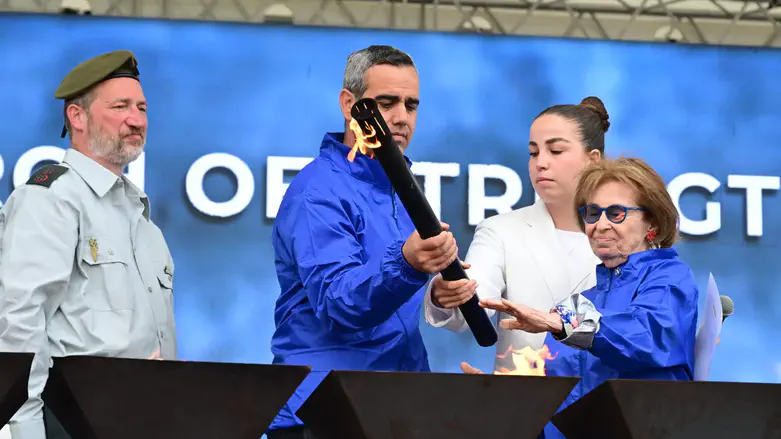
Captivity survivors Agam Berger and Omri Miran, alongside bereaved father Raziel Ungar, participated in the March of the Living ceremony at the Auschwitz-Birkenau extermination camp in Poland. The event, held at the ruins of the camp, saw Berger and Miran light a torch, symbolizing remembrance and resilience. Their presence underscored a powerful connection between past atrocities and contemporary challenges faced by the Jewish people.
This year's March of the Living carried particular significance, linking the memory of the Holocaust with the ongoing plight of Israeli hostages held by Hamas. The ceremony served as a poignant reminder of historical suffering and a call for the return of those still in captivity. The participation of individuals directly impacted by recent conflicts highlighted the enduring relevance of Holocaust remembrance in the face of current events.
Background & Context
The March of the Living is an annual educational program that brings individuals, primarily Jewish youth, to Poland and Israel to study the history of the Holocaust and examine the roots of prejudice, intolerance, and hate. It culminates in a symbolic march from Auschwitz to Birkenau on Yom HaShoah (Holocaust Remembrance Day). The event aims to ensure that the lessons of the Holocaust are never forgotten and to foster a commitment to human rights.
The inclusion of survivors of recent captivity and family members of current hostages marks a contemporary evolution of the March's purpose. This integration connects the historical memory of the Holocaust to present-day antisemitism and threats against Jewish communities. It emphasizes the continuous struggle against hatred and the importance of solidarity in times of crisis.
Key Developments
During the ceremony, Agam Berger and Omri Miran, who recently returned from Hamas captivity, lit a torch, sharing their personal stories of survival and the ongoing pain of those still held. Their presence brought a direct and immediate human dimension to the historical commemoration. Their testimonies served as a powerful link between the historical victims of genocide and the current victims of terrorism.
Raziel Ungar, whose son Alon is currently held hostage in Gaza, also lit a torch, representing the anguish of families awaiting the return of their loved ones. His participation underscored the collective trauma experienced by Israeli society and the international Jewish community. The ceremony featured prayers, speeches, and artistic performances, all reinforcing themes of memory, hope, and the fight against injustice.
Perspectives
The organizers of the March of the Living emphasized the critical importance of remembering the Holocaust, especially in an era marked by rising antisemitism and global conflicts. They articulated that the event is not merely a historical remembrance but a contemporary call to action against hatred and indifference. The ceremony aimed to inspire participants to become advocates for tolerance and human dignity.
Participants and observers noted the emotional weight of connecting the Holocaust to the current hostage crisis, viewing it as a stark reminder that the fight against evil is ongoing. This perspective highlights the belief that understanding past atrocities can inform responses to present-day challenges. The event served as a powerful statement of resilience and the enduring spirit of the Jewish people.
What to Watch
Future iterations of the March of the Living may continue to integrate contemporary issues, particularly those affecting the Jewish community, into their remembrance ceremonies. The ongoing efforts to secure the release of remaining hostages from Gaza will likely remain a significant focus for many participants and organizers. The broader impact of such events on global awareness of antisemitism and human rights issues will also be a key area to monitor.
Found this story useful? Share it:
Sources (1)
Israelnationalnews.com
"Captivity survivors, bereaved father light memorial torches in Auschwitz"
April 15, 2026