
New African Dust Wave Forecast for Greece, Raising Air Quality and Health Concerns
AI-Summarized Article
ClearWire's AI summarized this story from Protothema.gr into a neutral, comprehensive article.
Key Points
- A new wave of African dust is forecast to affect large parts of Greece in the coming days.
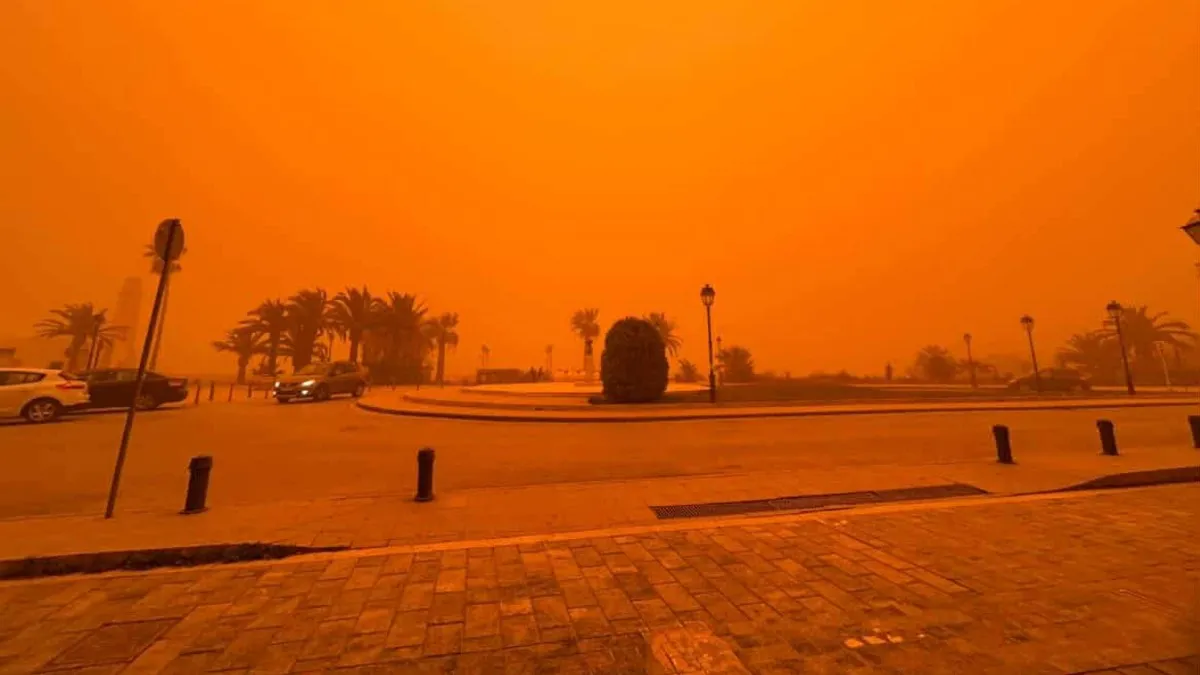
- This event follows a recent intense dust episode that severely degraded air quality, particularly in Crete.
- The dust plume is expected to bring high concentrations of particulate matter, posing health risks.
- Meteorological models predict initial impact in southern Greece, spreading northward through the week.
- Authorities are expected to issue health advisories, recommending precautions for vulnerable groups.
- Recurring dust events highlight environmental challenges and public health concerns in the region.
Overview
A new wave of African dust is anticipated to impact significant portions of Greece in the coming days, following closely on the heels of a recent severe episode that considerably worsened air quality, particularly in Crete. This incoming dust event is expected to bring high concentrations of particulate matter, potentially affecting respiratory health and visibility across various regions. Authorities are monitoring the situation closely and advising residents, especially vulnerable groups, to take precautions against the degraded air quality.
The meteorological phenomenon involves the transport of fine sand particles from the Sahara Desert across the Mediterranean Sea to Greece. This event is not uncommon for the region, but its intensity and frequency have drawn increased attention due to their immediate environmental and health implications. The forecast indicates that the dust will initially affect southern areas before spreading northward, with peak concentrations expected during the middle of the week.
Background & Context
Greece has experienced several significant African dust events in recent years, with the most recent intense episode occurring just weeks prior to this new forecast. The previous event led to visibly hazy skies and a substantial increase in airborne particulate matter, prompting public health advisories. These recurring events highlight the vulnerability of the Mediterranean basin to transcontinental atmospheric transport phenomena.
The health implications of African dust are well-documented, with studies linking exposure to increased respiratory and cardiovascular issues. Fine particulate matter (PM2.5 and PM10) can penetrate deep into the lungs, exacerbating conditions like asthma, bronchitis, and other chronic respiratory diseases. Public health officials typically issue guidance during such events, recommending reduced outdoor activity for sensitive populations.
Key Developments
Meteorological models predict that the dust plume will begin to arrive over Greece, with initial impacts concentrated in the southern Aegean and Crete. As the week progresses, the dust is expected to extend its reach to central and northern Greece, potentially affecting major urban centers. The intensity of the dust concentration is projected to vary, with some areas experiencing moderate to high levels of particulate matter.
Authorities are expected to issue updated air quality bulletins and health recommendations as the event unfolds. These typically include advice to limit strenuous outdoor activities, keep windows closed, and use air purifiers if available. Healthcare providers are also often alerted to anticipate a potential increase in patients presenting with respiratory symptoms during these periods.
Perspectives
The recurring nature of these African dust waves underscores the broader environmental challenges faced by the region, including climate change impacts that could potentially alter the frequency and intensity of such events. While these are natural phenomena, their interaction with existing urban pollution can compound air quality issues, necessitating robust public health responses and environmental monitoring.
From a public health perspective, the focus remains on preventative measures and informing the public about the risks. The Greek Ministry of Health, in conjunction with environmental agencies, typically provides guidelines to protect vulnerable populations, including children, the elderly, and individuals with pre-existing respiratory or cardiovascular conditions. The economic impact on sectors like tourism, due to reduced visibility and potential health concerns, is also a consideration, though often secondary to public safety.
What to Watch
Residents and authorities will be closely monitoring air quality reports and meteorological updates over the coming days, particularly regarding the peak dust concentrations and the duration of the event. Further advisories from public health organizations are anticipated, especially for regions experiencing the highest levels of particulate matter. The long-term implications for public health and environmental policy in Greece will also remain a key area of observation.
Found this story useful? Share it:
Sources (1)
Protothema.gr
"New African dust wave to hit Greece, raising health concerns"
April 15, 2026