
Civilian Vessel Captain Expresses Concern Over Crew's Uncertainty in Persian Gulf
AI-Summarized Article
ClearWire's AI summarized this story from RT into a neutral, comprehensive article.
Key Points
- A civilian vessel captain reported his crew has faced over a month of uncertainty in the Persian Gulf.
- The captain's concerns were shared in an exclusive interview with RT, highlighting regional maritime challenges.
- The situation is linked to broader tensions and security issues affecting shipping near the Strait of Hormuz.
- Prolonged uncertainty impacts the welfare of seafarers and the operational stability of commercial shipping.
- The account underscores the human cost of geopolitical instability in critical global waterways.
Overview
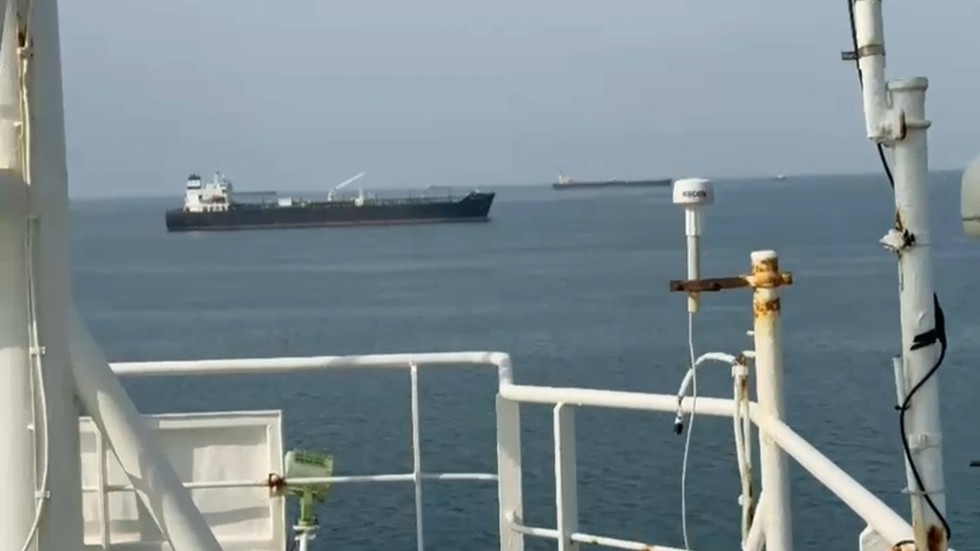
A captain of a civilian vessel currently in the Persian Gulf has voiced significant concerns regarding the prolonged uncertainty faced by his crew. In an exclusive interview with RT, the captain stated that his crew has been in a state of limbo for over a month. This situation is directly linked to broader issues affecting maritime passage in the region, particularly near the Strait of Hormuz.
The captain's remarks highlight the human element of ongoing geopolitical tensions and maritime security challenges in one of the world's most critical shipping lanes. The extended period of uncertainty underscores the difficulties faced by commercial shipping operations and their personnel. The interview sheds light on the personal impact of these larger regional dynamics.
Background & Context
The Strait of Hormuz is a narrow waterway connecting the Persian Gulf to the Arabian Sea, through which a significant portion of the world's oil supply passes. The region has experienced heightened tensions and security incidents involving commercial vessels in recent months. These incidents have led to increased scrutiny and caution for ships operating in the area, contributing to delays and operational uncertainties.
Such geopolitical instability often results in practical difficulties for civilian maritime traffic, including potential detentions, rerouting, or prolonged waiting periods. The captain's testimony reflects the direct consequences of these complex regional dynamics on the lives and livelihoods of seafarers. The ongoing situation emphasizes the vulnerability of global shipping to geopolitical events.
Key Developments
The captain specifically mentioned that his crew has been experiencing uncertainty for more than a month, indicating a protracted period of operational disruption. This prolonged state of not knowing when they can proceed or depart creates significant stress and logistical challenges for those onboard. The interview with RT serves as a direct account from an individual affected by the situation.
While specific details about the vessel's flag, cargo, or exact location within the Persian Gulf were not detailed in the available information, the general context points to the broader challenges of navigation and security. The captain's statement underscores the psychological toll on crew members caught in such protracted standoffs or uncertain operational environments. This highlights the need for clear communication and resolution in maritime disputes.
Perspectives
The captain's perspective offers a critical human-centered view on the impact of regional tensions, moving beyond geopolitical analyses to focus on the immediate welfare of seafarers. His concerns likely resonate with other captains and crews navigating similar challenges in the Persian Gulf. The interview serves as a plea for greater stability and predictability in maritime operations.
This situation also implicitly raises questions about the responsibilities of flag states, shipping companies, and international bodies to ensure the safety and timely passage of civilian vessels. The prolonged uncertainty can lead to significant financial losses for shipping companies and immense personal hardship for the crew members and their families. The broader implications include potential disruptions to global supply chains.
What to Watch
Future developments will likely involve continued monitoring of maritime security in the Strait of Hormuz and the broader Persian Gulf. Any diplomatic efforts or international interventions aimed at de-escalating regional tensions could directly impact the situation of stranded vessels and their crews. Observers will also be watching for any further statements from affected crews or shipping organizations regarding their operational challenges.
Found this story useful? Share it:
Sources (1)
RT
"Uncertainty is killing us – captain of ship stranded in Persian Gulf (EXCLUSIVE VIDEO)"
April 14, 2026