
Fuel Protests and Supply Disruptions Impacting Northern Ireland and Global Oil Trade
AI-Summarized Article
ClearWire's AI summarized this story from BBC News into a neutral, comprehensive article.
Key Points
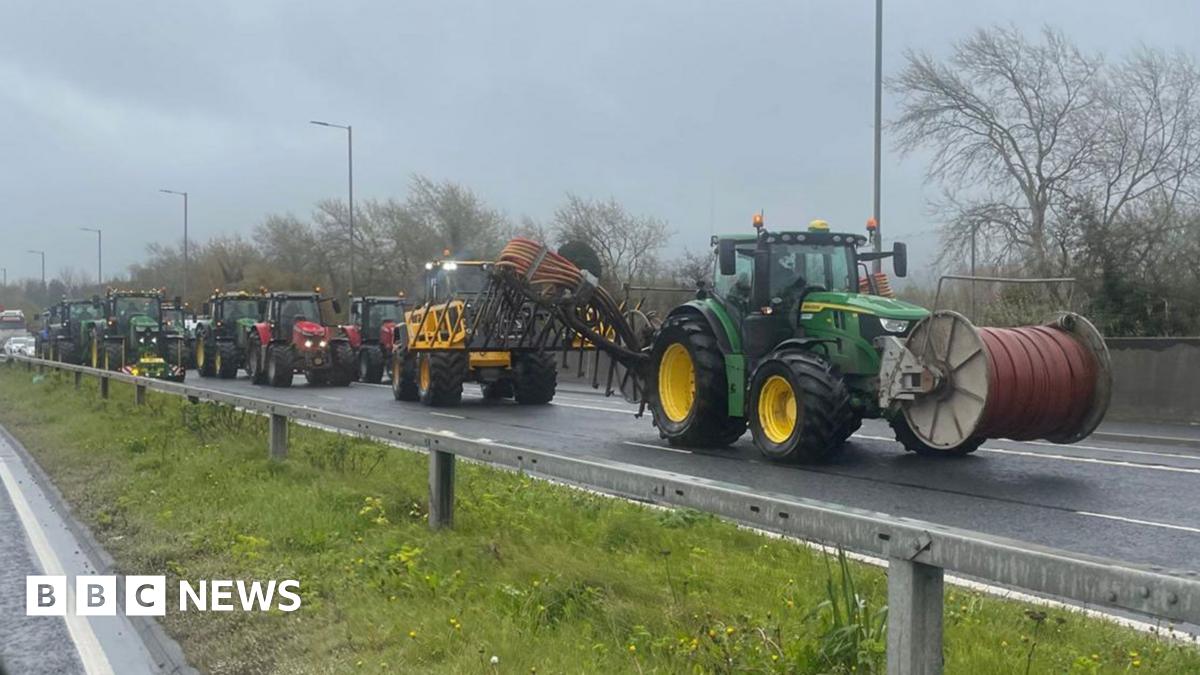
- Slow-moving tractor protests have disrupted traffic in Belfast, Northern Ireland.
- Approximately 20% of the world's oil trade has been halted due to the closure of the Strait of Hormuz.
- The Strait of Hormuz closure impacts the raw ingredient for petrol and diesel production globally.
- Petrol prices in Northern Ireland have increased, noted from an initial 124.8p per litre.
- The protests highlight local public dissatisfaction with fuel costs amidst global supply disruptions.
Overview
Fuel protests involving slow-moving tractors have caused traffic disruptions in Belfast, Northern Ireland. These demonstrations are occurring against a backdrop of significant global oil trade disruptions, specifically the closure of the Strait of Hormuz, which has halted approximately 20% of the world's oil trade. The protests in Northern Ireland are likely a response to rising fuel prices, which have seen petrol increase from 124.8p per litre, though the exact current price and the full extent of the increase are not detailed in the provided text. The convergence of local protests and international supply chain issues highlights the complex challenges facing energy markets and consumers.
These events underscore a period of heightened volatility in global energy markets. The protests in Belfast indicate public dissatisfaction with fuel costs, a common reaction to price hikes. Simultaneously, the Strait of Hormuz closure represents a major geopolitical and economic event, directly impacting the availability and cost of crude oil, the primary ingredient for petrol and diesel. This dual pressure point—local consumer discontent and international supply shocks—creates a challenging environment for policymakers and consumers alike.
Background & Context
The Strait of Hormuz is a critical maritime chokepoint, through which a substantial portion of the world's crude oil and liquefied natural gas passes. Its closure, as reported, has immediate and far-reaching implications for global energy security and pricing. Any disruption in this region typically leads to increased oil prices due to reduced supply and heightened market uncertainty. This global context directly influences domestic fuel prices, such as those experienced in Northern Ireland.
Historically, fuel price fluctuations have often triggered public demonstrations and calls for government intervention. The current situation in Northern Ireland, with tractors disrupting traffic, aligns with this pattern, reflecting a community's response to economic pressures. Understanding the interplay between international supply dynamics and local economic impacts is crucial for comprehending the full scope of these events.
Key Developments
The immediate development reported is the traffic disruption in Belfast caused by slow-moving tractors, indicating organized protests against fuel prices. The specific demands or organizers of these protests are not detailed in the provided snippet. Concurrently, a major global development is the reported halt of 20% of the world's oil trade due to the closure of the Strait of Hormuz. This closure directly affects the supply of crude oil necessary for petrol and diesel production worldwide.
In Northern Ireland, petrol prices have been noted to increase from 124.8p per litre. While the current price and the full extent of the price hike are not specified, this initial figure provides a baseline for understanding the financial pressures faced by consumers and businesses. The combination of local action and international market shifts creates a dynamic and challenging environment for energy consumers and the broader economy.
Perspectives
The protests in Belfast reflect the perspective of a segment of the public, likely farmers or hauliers, who are directly impacted by rising fuel costs. Their actions, though disruptive, serve to highlight the economic strain placed upon them. From a broader economic perspective, the closure of the Strait of Hormuz signifies a major supply shock, which will inevitably lead to higher energy costs globally. This situation presents a challenge for governments to balance energy security, economic stability, and public satisfaction.
What to Watch
Future developments to monitor include the duration and resolution of the Strait of Hormuz closure, as its reopening would significantly impact global oil prices. Domestically, observers should watch for further fuel price increases in Northern Ireland and other regions, as well as the potential for additional protests or government responses to mitigate the impact of rising costs on consumers and industries. The long-term effects on inflation and economic stability will also be key areas of focus.
Found this story useful? Share it: