
Potential Global Economic Impact of Strait of Hormuz Blockade Examined
AI-Summarized Article
ClearWire's AI summarized this story from RTE into a neutral, comprehensive article.
Key Points
- A US blockade of the Strait of Hormuz could create new global economic risks and costs.
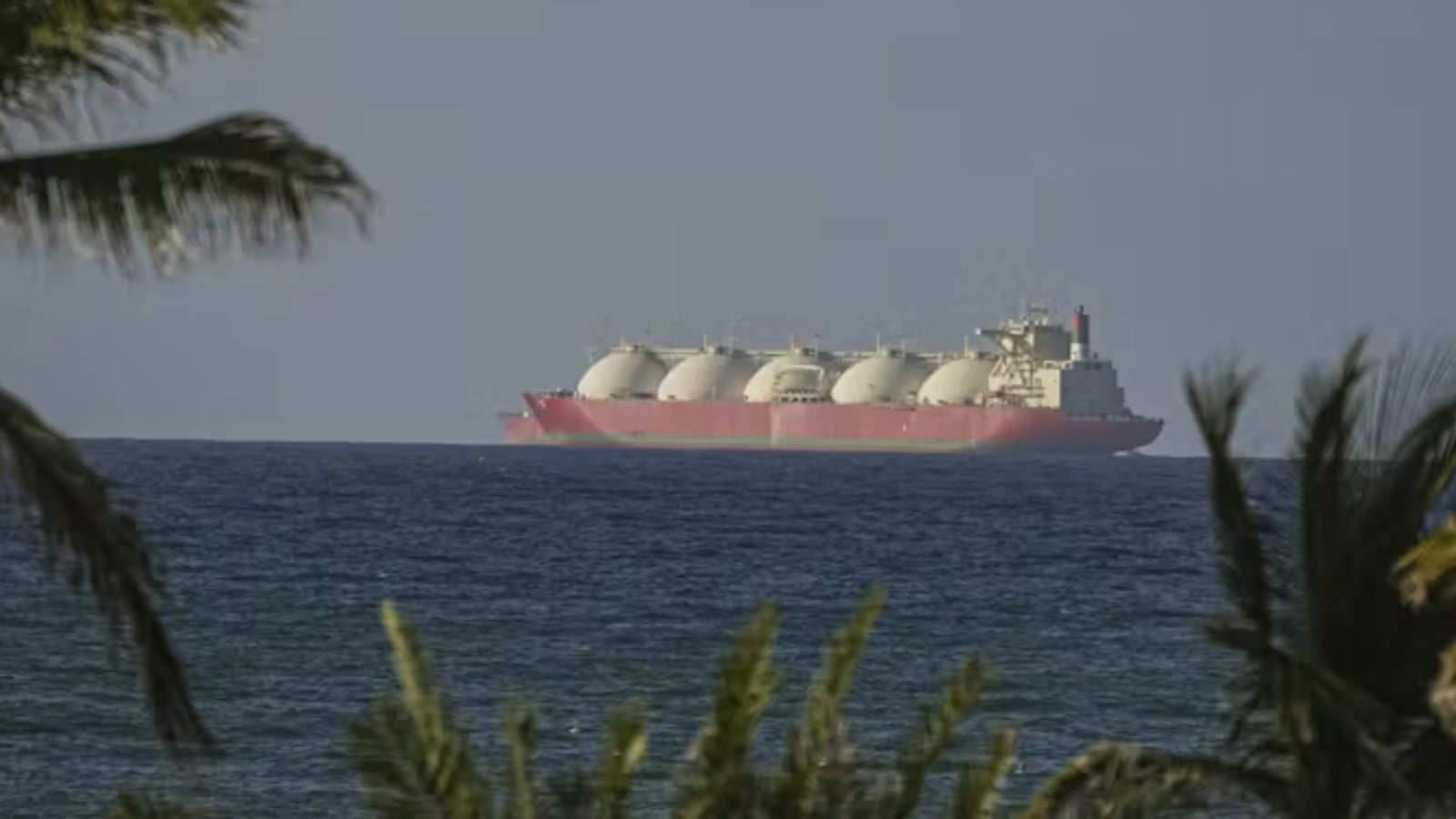
- The Strait of Hormuz is a vital shipping channel, especially for oil and gas.
- The analysis is by Sanjoy Paul from the University of Technology Sydney.
- A prolonged disruption would have cascading effects on economies worldwide.
Overview
An analysis from the University of Technology Sydney explores the significant global economic ramifications that could arise from a prolonged United States blockade of the Strait of Hormuz. This vital shipping channel is crucial for international trade, particularly for oil and gas shipments. The study suggests that such a blockade would introduce new risks and escalate costs for economies worldwide, impacting various sectors beyond just energy.
The Strait of Hormuz, a narrow waterway between the Persian Gulf and the Arabian Sea, is strategically critical as it funnels a substantial portion of the world's seaborne oil. Disruptions to this passage, whether due to military action or a sustained blockade, would inevitably cause widespread economic instability. The analysis aims to detail the complex, cascading effects such an event would trigger across interconnected global markets.
Background & Context
The Strait of Hormuz has historically been a flashpoint for geopolitical tensions, given its importance to global energy supplies. Past incidents and threats of closure have consistently led to spikes in oil prices and concerns about supply chain security. The hypothetical scenario of a US-led blockade, as examined in this analysis, represents a severe escalation that would fundamentally alter international trade routes and energy economics.
Its strategic significance stems from its role as the only sea passage from the Persian Gulf to the open ocean, making it indispensable for major oil-producing nations in the region. Any impediment to transit through this strait would necessitate costly and time-consuming alternative shipping routes, if available, or lead to severe shortages in energy-dependent economies globally. The analysis underscores the interconnectedness of energy security with broader economic stability.
Key Developments
The analysis specifically highlights the
Found this story useful? Share it:
Sources (1)
RTE
"How will Trump's Strait of Hormuz blockade hit global economy?"
April 14, 2026