
Iran's Offshore Oil Reserves and China's Stockpiles Offer Buffer Against Potential US Blockade
AI-Summarized Article
ClearWire's AI summarized this story from Bloomberg into a neutral, comprehensive article.
Key Points
- Iran has stored crude oil on tankers at sea, creating an offshore reserve.
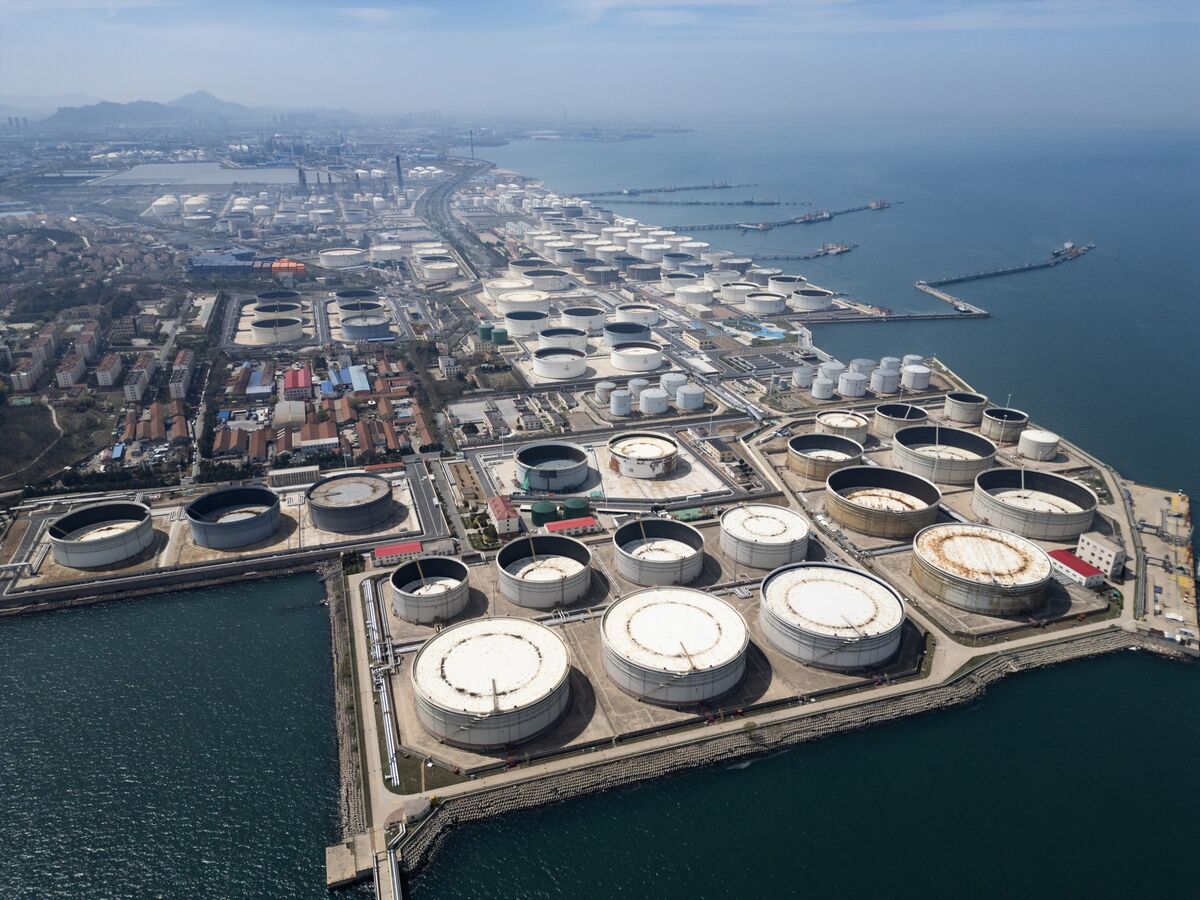
- China holds robust onshore oil stockpiles, complementing Iran's floating reserves.
- These reserves aim to shield China's independent refiners from potential US blockade of Strait of Hormuz.
- The strategy provides a buffer against potential disruptions to traditional oil supply routes.
- China, a major Iranian oil buyer, enhances its energy security through these stockpiles.
Overview
Iran has amassed a significant volume of crude oil on tankers at sea, alongside substantial onshore stockpiles within China. These reserves are positioned to provide a critical buffer for China's independent refiners. The strategic accumulation aims to mitigate the impact should the United States impose a blockade on the Strait of Hormuz, a vital chokepoint for global oil shipments. This development highlights ongoing geopolitical tensions and their potential effects on international energy markets and supply chains.
The existence of these readily available oil supplies could allow Chinese refiners to maintain operations even if traditional shipping routes are disrupted. The strategy underscores efforts by both Iran and China to circumvent potential sanctions or military actions that could impede oil trade. This move is particularly relevant given the historical volatility in the region and the United States' past use of sanctions to influence Iranian oil exports.
Background & Context
The Strait of Hormuz is a narrow waterway located between the Persian Gulf and the Gulf of Oman, through which a significant portion of the world's seaborne oil passes daily. Its strategic importance makes it a frequent point of geopolitical contention, particularly concerning Iran's role in the region. The United States has previously imposed sanctions on Iranian oil exports, aiming to limit the country's revenue, and has maintained a naval presence in the area to ensure freedom of navigation.
China, as the world's largest oil importer, has a vested interest in securing its energy supplies and has often been a major buyer of Iranian crude, sometimes under arrangements that circumvent US sanctions. The independent refiners, often referred to as 'teapots,' play a crucial role in China's refining capacity. Their ability to access crude, even under challenging circumstances, is vital for China's economic stability and energy security.
Key Developments
The current strategy involves storing Iranian crude on tankers, effectively creating a floating reserve that can be quickly dispatched to China. This method allows Iran to maintain export capacity despite potential shipping restrictions or difficulties in finding buyers for its oil. Concurrently, China has been building up its strategic and commercial oil reserves, further enhancing its resilience to supply shocks.
These combined offshore and onshore stockpiles represent a proactive measure against potential disruptions. The volume of oil involved is significant enough to provide a cushion for an extended period, offering a degree of insulation from immediate market volatility. This dual approach minimizes the direct impact of any US-led blockade on China's energy sector, ensuring continued operations for its refining industry.
Perspectives
From Iran's perspective, these reserves represent a means to sustain its oil revenue and maintain its presence in the global energy market despite international pressure. For China, it signifies a strategic move to enhance energy security and reduce vulnerability to external geopolitical events. The US, on the other hand, views such accumulations as attempts to circumvent its sanctions regime and undermine its foreign policy objectives regarding Iran.
The broader implications suggest a continuing cat-and-mouse game in international energy politics, where countries seek innovative ways to secure resources or exert influence. This situation could lead to increased scrutiny of shipping routes and financial transactions related to Iranian oil, potentially escalating tensions in the region. The development also highlights the evolving dynamics of global energy trade and the challenges of enforcing unilateral sanctions.
What to Watch
Observers should monitor the ongoing diplomatic efforts and potential escalations in the Persian Gulf region. Any changes in US policy towards Iran or its enforcement of sanctions will be critical. The capacity and utilization rates of China's independent refiners will also provide insights into the effectiveness of these strategic stockpiles. Furthermore, developments in global oil prices and shipping insurance markets could reflect the perceived risk of supply disruptions.
Found this story useful? Share it:
Sources (1)
Bloomberg
"Iran Oil Hoard at Sea Shields China’s Refiners From US Blockade"
April 14, 2026