
China's Role in Iran's Oil Black Market and Hormuz Blockade Implications
AI-Summarized Article
ClearWire's AI summarized this story from The Times of India into a neutral, comprehensive article.
Key Points
- China is the primary buyer of Iranian oil on the black market, purchasing an estimated 95% of Tehran's crude exports before the Ukraine conflict.
- This illicit trade sustains Iran's oil revenue despite international sanctions, relying on sanctioned tankers and discreet traders.
- The existence of this black market highlights China's pivotal role in circumventing international efforts to curb Iran's oil exports.
- The potential for a Hormuz blockade is intrinsically linked to China's continued demand for Iranian oil and its strategic energy interests.
- China's involvement complicates international sanctions enforcement and provides Iran with economic leverage amid geopolitical pressures.
Overview
China plays a pivotal role in sustaining Iran's oil exports, particularly through a black market network that circumvents international sanctions. Prior to the conflict in Ukraine, Beijing reportedly purchased 95% of all crude oil shipped by Tehran. This trade relies on a complex system involving sanctioned tankers and discreet traders, enabling Iran to continue its oil revenue generation despite international restrictions.
The ongoing reliance on this black market for Iranian oil highlights the significant economic ties between China and Iran. This relationship has broader geopolitical implications, particularly concerning the Strait of Hormuz. The potential for a Hormuz blockade, often discussed in the context of Iranian actions, is intricately linked to China's continued demand for Iranian crude.
Background & Context
The international community has imposed various sanctions on Iran, primarily targeting its oil exports, in response to its nuclear program and other geopolitical activities. These sanctions are designed to limit Iran's revenue and pressure it into compliance. However, the existence of a robust black market, largely facilitated by China, undermines the effectiveness of these measures.
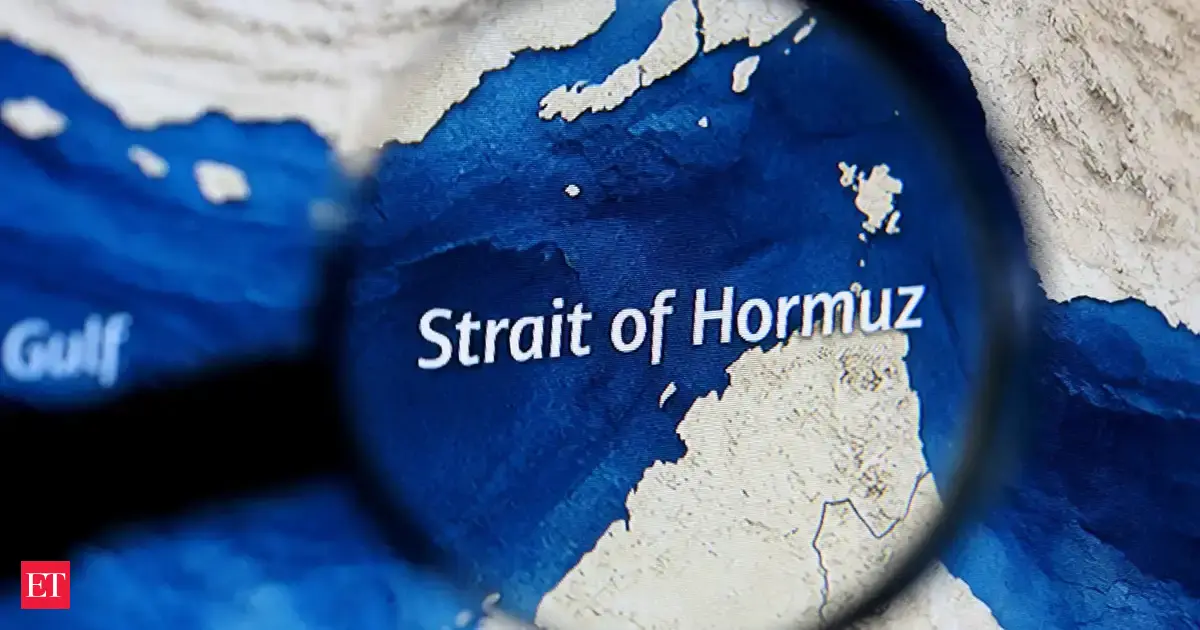
Historically, the Strait of Hormuz has been a critical chokepoint for global oil shipments, and Iran has, at times, threatened to disrupt traffic through it. Any such action would have severe global economic repercussions. The current context suggests that China's energy needs and its relationship with Iran are central to understanding the dynamics of potential disruptions in this vital waterway.
Key Developments
China's substantial purchases of Iranian oil, even under sanction, demonstrate a strategic economic partnership. The network facilitating these transactions involves sophisticated methods to obscure the origin and destination of the oil, including ship-to-ship transfers and falsified documentation. This clandestine trade allows Iran to maintain a significant portion of its oil production and export capacity.
The strategic importance of the Strait of Hormuz is amplified by this trade. While Iran's threats to close the strait are often seen as a response to Western pressure, the continued flow of oil to China through alternative, sanctioned channels provides Iran with economic leverage. This complex interplay of sanctions, black market trade, and strategic waterways underscores the multifaceted nature of the geopolitical situation.
Perspectives
From an international perspective, China's involvement complicates efforts to enforce sanctions against Iran, potentially prolonging tensions and undermining diplomatic solutions. For Iran, the black market provides a crucial lifeline, enabling it to fund its domestic and regional activities despite economic pressures. China, meanwhile, secures a reliable, albeit illicit, source of energy, often at discounted prices.
The broader implications suggest that any discussion of a Hormuz blockade must consider China's energy security interests. While a blockade would severely impact global oil markets, it would also directly affect China's access to Iranian oil, potentially influencing Beijing's stance on the issue. This creates a complex web of dependencies and strategic calculations for all parties involved.
What to Watch
Future developments will likely focus on the evolving dynamics of international sanctions enforcement and China's energy policy. Observers should monitor any shifts in China's purchasing patterns of Iranian oil, as well as any new measures by international bodies to disrupt the black market trade. The geopolitical stability of the Strait of Hormuz will remain a critical indicator of these complex interactions.
Found this story useful? Share it:
Sources (1)
The Times of India
"The Hormuz blockade is as much about China as Iran"
April 14, 2026