
Hacker Breaches Backend System of A16Z-Backed Phone Farm Startup Doublespeed
AI-Summarized Article
ClearWire's AI summarized this story from 404media.co into a neutral, comprehensive article.
Key Points
- A hacker breached the backend system of Doublespeed, an a16z-funded startup operating a 'phone farm' for AI-generated TikTok accounts.
- The hacker's stated goal was to disrupt Doublespeed's operations by attempting to have its network of accounts removed from TikTok.
- Doublespeed uses numerous physical or virtual devices to create and manage AI-generated accounts for social media engagement.
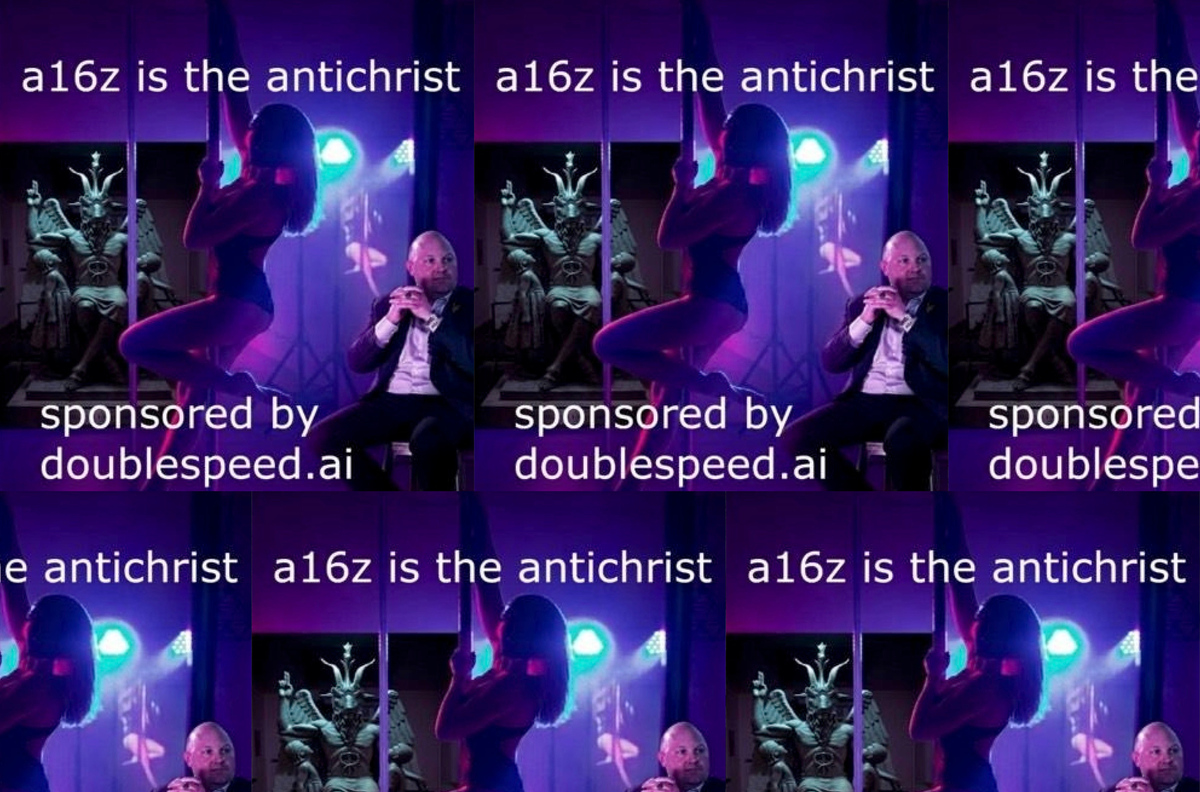
- The attacker labeled Doublespeed as the 'antichrist,' indicating a strong ideological motivation behind the compromise.
- The incident highlights security vulnerabilities in social media automation systems and raises ethical questions about such ventures.
- This breach underscores ongoing challenges for social media platforms in combating automated and inauthentic account activities.
Overview
A hacker has successfully compromised a backend system belonging to Doublespeed, a startup funded by venture capital firm a16z. Doublespeed operates a 'phone farm' designed to generate and manage numerous AI-generated TikTok accounts. The attacker's stated intention was to disrupt the operation by attempting to have these accounts removed from the platform.
The breach highlights vulnerabilities within systems designed to automate social media engagement, particularly those backed by significant investment. The hacker, who identified Doublespeed as the 'antichrist,' targeted the company's infrastructure, raising questions about the security protocols in place for such operations. This incident underscores the ongoing cat-and-mouse game between platforms, automated account operators, and those seeking to expose or dismantle these systems.
Background & Context
Doublespeed is a relatively new player in the social media automation space, having secured funding from prominent venture capital firm a16z (Andreessen Horowitz). The concept of 'phone farms' involves using large numbers of physical or virtual devices to simulate human interaction on social media platforms, often for purposes ranging from marketing to content amplification. Such operations frequently operate in a grey area concerning platform terms of service, which typically prohibit automated account creation and engagement.
This incident occurs amidst growing scrutiny of AI-generated content and automated accounts on social media, particularly concerning their potential impact on information integrity and platform manipulation. The involvement of a major VC firm like a16z in funding such a venture also draws attention to the ethical considerations and potential risks associated with investments in this sector. The hacker's strong ideological stance against the company further complicates the narrative, framing the attack as a form of digital activism.
Key Developments
The hacker gained access to Doublespeed's backend, specifically targeting the system responsible for managing its network of AI-generated TikTok accounts. Following the breach, the attacker publicly announced their actions and motivations, labeling the company as detrimental. The primary objective of the compromise was to trigger the removal or deactivation of the accounts controlled by Doublespeed, thereby disrupting its core operation.
Details regarding the specific method of compromise or the extent of data accessed have not been fully disclosed. However, the attacker's ability to interact with the system suggests a significant security lapse. This incident serves as a stark reminder that even well-funded tech startups are susceptible to sophisticated cyberattacks, particularly when their operations involve potentially controversial or platform-violating activities. The long-term impact on Doublespeed's operations and its client base remains to be seen.
Perspectives
From the hacker's perspective, the action was a justified strike against an entity perceived as harmful, aiming to counteract what they view as manipulative practices on social media. This reflects a growing sentiment among some digital activists who believe in direct action against companies facilitating what they consider to be platform abuse. For Doublespeed and its investors, the breach represents a significant operational and reputational challenge, requiring immediate security enhancements and damage control.
Social media platforms like TikTok generally maintain strict policies against automated accounts and coordinated inauthentic behavior, making operations like Doublespeed's inherently risky. The incident could prompt platforms to further refine their detection mechanisms and enforcement strategies against such 'phone farm' activities. It also reignites debates about the ethics of venture capital funding for technologies that push the boundaries of platform terms of service and potentially contribute to online misinformation or manipulation.
What to Watch
Future developments will likely include Doublespeed's official response to the breach, including any statements regarding security improvements or legal actions. Observers will also be monitoring whether TikTok takes any specific actions against the accounts or operations linked to Doublespeed following this public exposure. The incident may also lead to broader discussions within the venture capital community regarding due diligence and ethical considerations for investments in social media automation and AI-generated content technologies.
Found this story useful? Share it:
Sources (1)
404media.co
"Hacker compromises A16Z-backed phone farm, calling them the 'antichrist'"
April 14, 2026