
Factory Worker Protests Over Wages Turn Violent in Noida and Faridabad
AI-Summarized Article
ClearWire's AI summarized this story from BusinessLine into a neutral, comprehensive article.
Key Points
- Factory workers initiated protests in Noida and Faridabad on Monday, demanding a hike in wages.
- The demonstrations quickly escalated into violence, featuring vandalism, stone-pelting, and arson.
- The unrest occurred in major industrial hubs, disrupting operations and causing significant property damage.
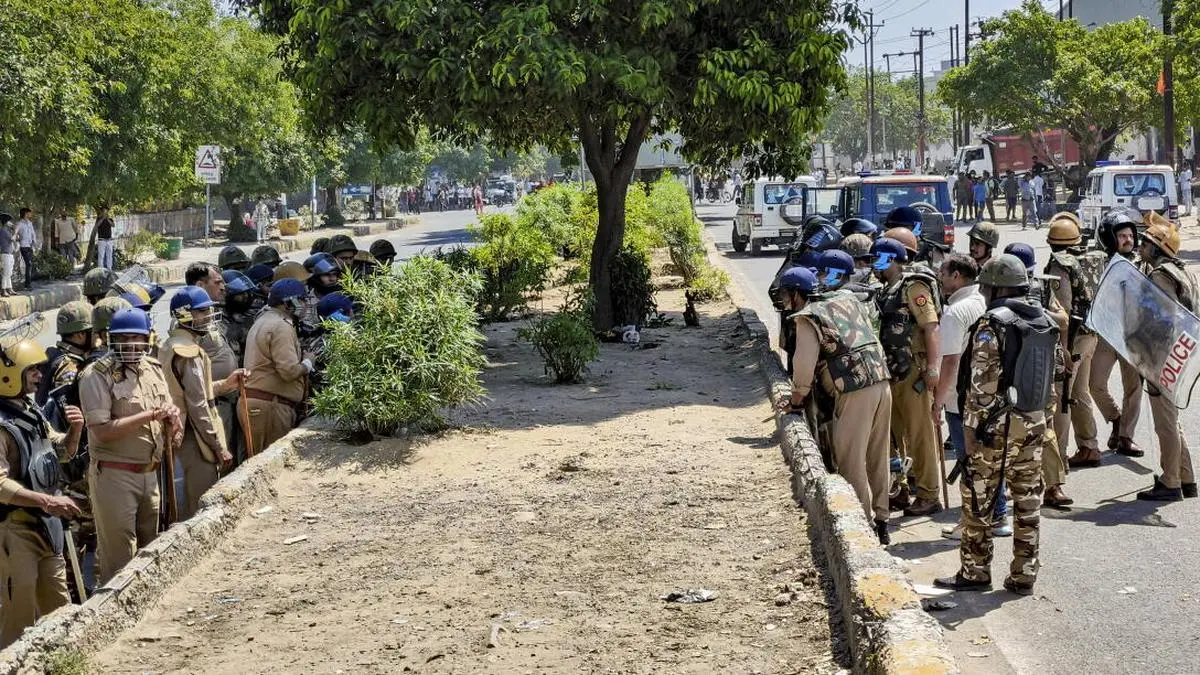
- Authorities were deployed to control the situation and restore order in the affected areas.
- The protests highlight ongoing tensions over worker compensation in key manufacturing regions.
Overview
Protests initiated by factory workers demanding increased wages escalated into violence early Monday morning in Noida, Uttar Pradesh, and Faridabad, Haryana. The demonstrations, which began peacefully, quickly devolved into acts of vandalism, stone-pelting, and arson. These incidents highlight growing tensions between industrial workers and management over compensation.
The unrest primarily affected industrial areas in both cities, disrupting operations and raising concerns about worker safety and industrial relations. Authorities were dispatched to manage the situation, which saw significant property damage and public disorder. The rapid escalation from peaceful demonstration to violent confrontation underscores the intensity of the workers' grievances regarding their wages.
Background & Context
Industrial regions like Noida and Faridabad are major manufacturing hubs, employing a large workforce often engaged in labor-intensive sectors. Wage disputes are a recurring issue in these areas, frequently stemming from perceived inadequate compensation relative to living costs and company profits. Past protests in these regions have sometimes turned confrontational, reflecting a history of strained labor-management relations.
This latest wave of protests follows a period where economic pressures and inflation have reportedly squeezed the earnings of many industrial workers. The demand for a hike in wages suggests that current remuneration is considered insufficient by the workforce, prompting collective action to advocate for better terms. Such widespread unrest can have significant economic implications for the affected industries and the broader regional economy.
Key Developments
The protests commenced early Monday, with workers gathering to voice their demands for higher wages. Within hours, the demonstrations intensified, leading to widespread property damage. Reports indicate incidents of factory premises being vandalized, vehicles being set on fire, and confrontations involving stone-pelting. The specific targets of vandalism included factory infrastructure and company-owned assets.
Law enforcement agencies were deployed to the affected industrial zones to restore order and disperse the agitated crowds. The immediate aftermath involved assessing the extent of the damage and initiating investigations into the violent acts. The swift response from authorities aimed to prevent further escalation and ensure the safety of residents and property in the industrial corridors.
Perspectives
The workers' perspective centers on the urgent need for a wage increase, arguing that their current earnings are unsustainable given prevailing economic conditions. Their willingness to engage in large-scale protests, even those turning violent, suggests a deep-seated frustration with their economic situation and a perceived lack of responsiveness from employers. Conversely, factory owners and management often cite economic constraints or competitive pressures when addressing wage demands.
These events also draw attention to the broader implications for industrial harmony and investment climate in these manufacturing hubs. The government and local administrations face the challenge of mediating between labor and management to find equitable solutions that address worker grievances while maintaining industrial peace and economic stability. The violence complicates future negotiations and may deter potential investors.
What to Watch
Future developments will likely include ongoing negotiations between worker representatives and factory management, potentially facilitated by government labor departments. The legal consequences for those involved in the violent acts will also be a key area to monitor. Observers will be watching for any policy responses from local or state governments aimed at addressing underlying wage issues or improving industrial dispute resolution mechanisms.
Found this story useful? Share it:
Sources (1)
BusinessLine
"Protest by factory workers in Noida, Faridabad turns violent"
April 13, 2026