
New Research Suggests Not Making Your Bed Immediately May Offer Health Benefits
AI-Summarized Article
ClearWire's AI summarized this story from The Times of India into a neutral, comprehensive article.
Key Points
- Delaying bed-making allows beds to air out, reducing warmth and moisture that dust mites need to thrive.
- Dust mites are common allergens linked to asthma, eczema, and respiratory issues.
- An unmade bed promotes evaporation and cooling, dehydrating and killing dust mites.
- This practice offers a simple way to potentially improve indoor air quality and reduce allergens.
- The advice challenges the traditional view of immediate bed-making as a sign of discipline.
- The choice between immediate or delayed bed-making may depend on individual health priorities and allergy concerns.
Overview
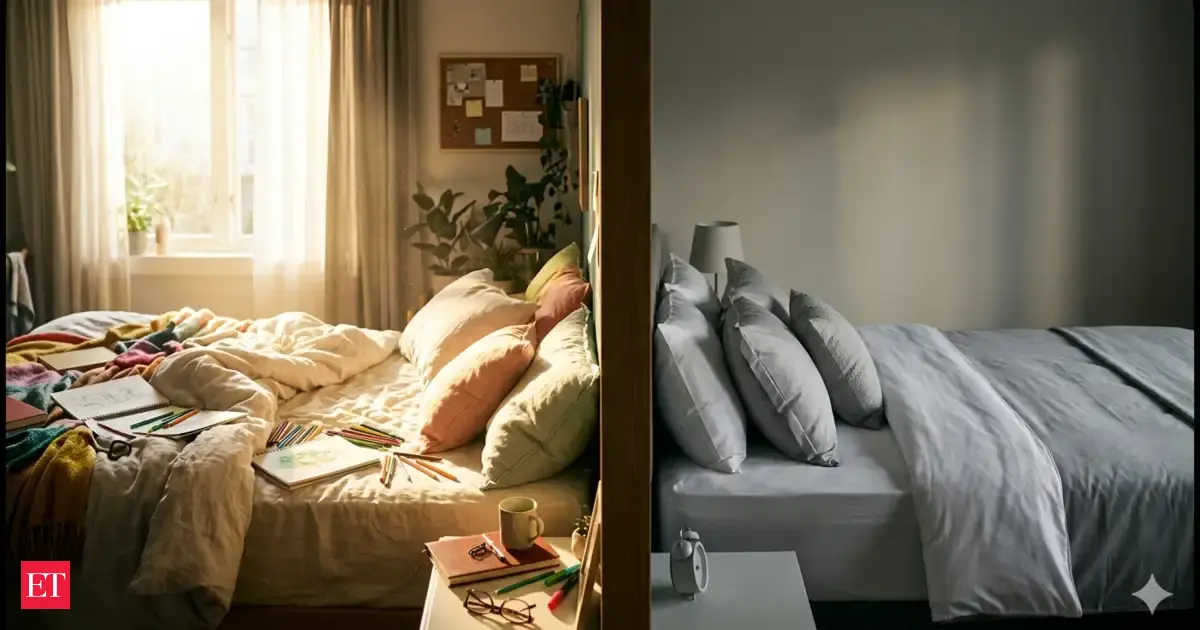
Contrary to popular belief that making one's bed first thing in the morning signifies discipline and organization, emerging perspectives suggest potential health benefits to delaying this chore. This advice challenges a long-held notion often associated with a productive start to the day. The primary reason cited for this shift in thinking revolves around the environment created within a made bed, particularly concerning microscopic organisms.
Specifically, a made bed can inadvertently trap moisture and warmth, creating an ideal breeding ground for dust mites. These microscopic creatures are common allergens, and their presence can exacerbate conditions like asthma, eczema, and other respiratory issues. Allowing a bed to air out for a period before making it can significantly reduce the humidity and temperature, thereby making the environment less hospitable for dust mites.
Background & Context
The tradition of making one's bed has roots in various cultural and military practices, often symbolizing order, readiness, and a sense of accomplishment. For many, it's considered a foundational habit for a structured day, contributing to mental well-being and a tidy living space. This long-standing practice has been reinforced through generations, often presented as a simple yet effective way to maintain household hygiene and personal discipline.
However, scientific understanding of household environments and their impact on health has evolved. Research into indoor allergens and their prevalence has shed light on how common household routines might inadvertently affect health. This new perspective doesn't negate the psychological benefits some derive from making their bed but rather introduces a health-focused counter-argument based on biological factors.
Key Developments
The core argument against immediate bed-making centers on dust mites, which thrive in warm, humid conditions. When a bed is made promptly after waking, body heat and perspiration are trapped under the covers, maintaining the warmth and moisture that dust mites require to flourish. An unmade bed, conversely, allows sheets to be exposed to air and light, promoting evaporation and cooling.
This airing-out process can dehydrate and ultimately kill dust mites, reducing their population within the bedding. Experts suggest that leaving the bed unmade for even a few hours, or until later in the day, can significantly alter the microclimate of the bed, making it less conducive to mite survival. This simple adjustment to a daily routine requires no special equipment or significant effort, offering an accessible way to potentially improve indoor air quality.
Perspectives
While the health-related perspective emphasizes the reduction of dust mites and allergens, the traditional view still holds value for many. Proponents of immediate bed-making often highlight the psychological benefits, such as a sense of accomplishment, reduced stress from a tidy room, and a structured start to the day. For these individuals, the mental clarity and order provided by a made bed might outweigh the potential biological concerns, especially if they do not suffer from mite-related allergies.
Conversely, individuals with allergies, asthma, or other respiratory sensitivities might find the health-focused approach more compelling. The choice ultimately depends on individual priorities, whether they lean towards mental well-being derived from order or physical health benefits from allergen reduction. It suggests a balance between psychological comfort and environmental health considerations.
What to Watch
As awareness of indoor air quality and allergen control grows, further research may explore the long-term health impacts of various bed-making routines. Individuals might consider experimenting with delaying bed-making to observe any personal health improvements, particularly if they experience allergy symptoms. Public health recommendations regarding household hygiene may also evolve to incorporate these findings more broadly, offering updated guidance on creating healthier home environments.
Found this story useful? Share it:
Sources (1)
The Times of India
"The Surprising Reason You Shouldn’t Make Your Bed First Thing"
April 13, 2026