
Trump's Hormuz Blockade Announcement Triggers Stock Market Drop and Oil Price Surge
AI-Summarized Article
ClearWire's AI summarized this story from Ibtimes.com.au into a neutral, comprehensive article.
Key Points
- President Trump announced a naval blockade of the Strait of Hormuz following failed peace talks with Iran.
- U.S. stock futures, including Dow futures, dropped sharply by 500 points immediately after the announcement.
- Global oil prices surged past $104 per barrel due to fears of supply disruptions from the critical waterway.
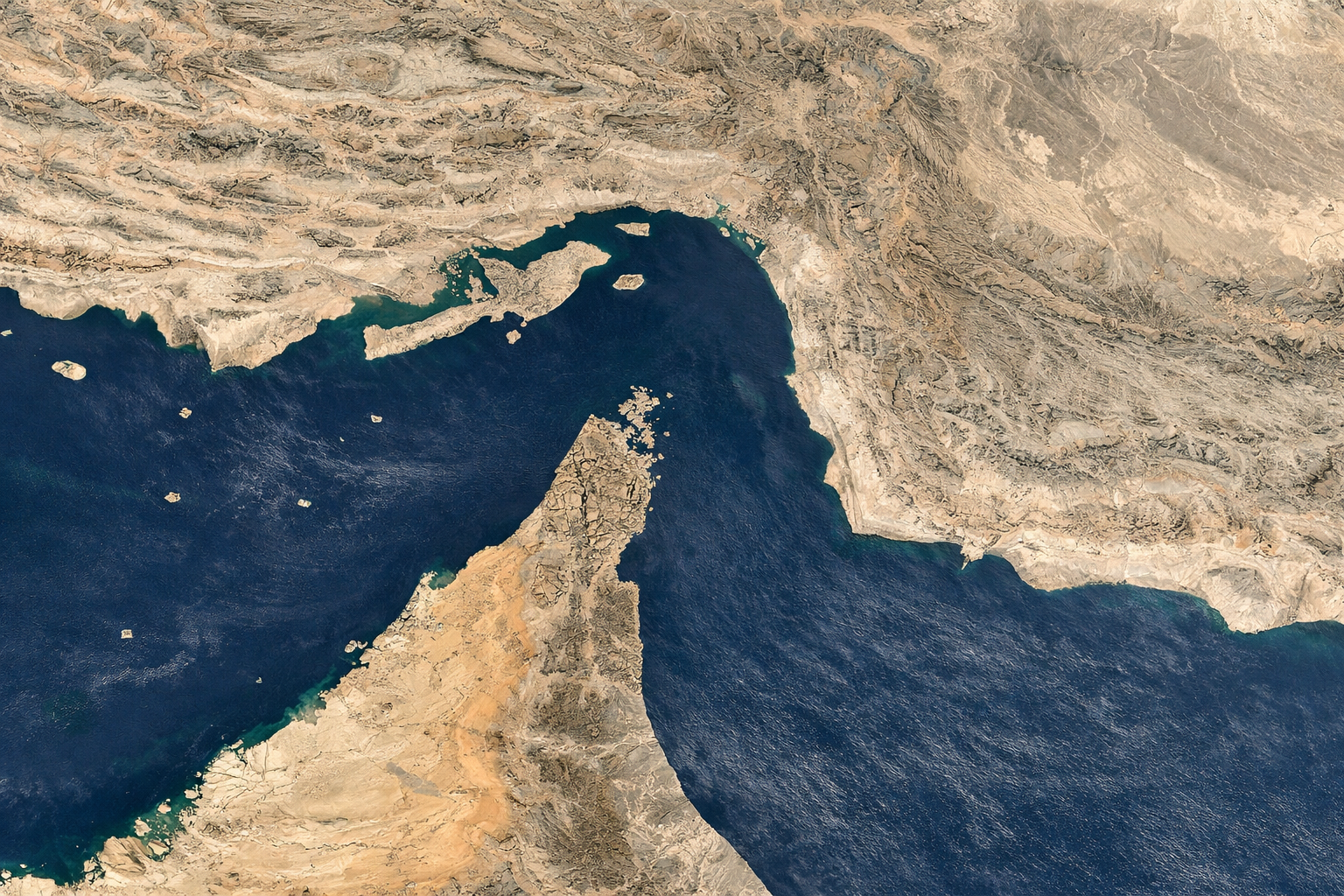
- The Strait of Hormuz is a vital chokepoint, through which 20% of the world's petroleum passes daily.
- The blockade signals a significant escalation in tensions between the United States and Iran.
Overview
U.S. stock futures experienced a significant decline early Monday following an announcement by President Donald Trump regarding a naval blockade of the Strait of Hormuz. This development occurred after the reported collapse of extensive peace talks with Iran. The news immediately impacted global markets, with Dow futures plummeting by 500 points.
Concurrently, the price of oil surged past $104 per barrel, reflecting heightened geopolitical tensions in a critical energy transit region. The blockade, if implemented, would severely disrupt global oil supplies, as the Strait of Hormuz is a vital chokepoint for a significant portion of the world's crude oil shipments. This situation signals a rapid escalation in the ongoing diplomatic and economic standoff between the United States and Iran.
Background & Context
The Strait of Hormuz is a narrow waterway located between the Persian Gulf and the Gulf of Oman, serving as the sole sea passage from the Persian Gulf to the open ocean. Approximately 20% of the world's petroleum, and a third of all seaborne traded oil, passes through this strait daily, making it one of the most strategically important chokepoints globally. Previous tensions between the U.S. and Iran have often centered around this waterway, with threats of closure or disruption frequently emerging during periods of heightened conflict.
The reported collapse of peace talks underscores a deepening diplomatic impasse between Washington and Tehran. These talks, which had been described as marathon negotiations, were aimed at de-escalating tensions and potentially resolving long-standing disputes, including Iran's nuclear program and regional activities. Their failure suggests a return to more confrontational approaches from both sides, with significant implications for international stability and energy markets.
Key Developments
President Trump's announcement of a naval blockade represents a significant shift in strategy, moving from diplomatic engagement to a more assertive military posture. Such a blockade would aim to prevent Iranian oil exports and potentially other maritime traffic, effectively isolating Iran economically. The immediate market reaction, with a 500-point drop in Dow futures, highlights investor concerns over potential economic fallout and increased instability.
The sharp rise in oil prices past $104 per barrel directly reflects market fears of supply disruptions. A blockade of the Strait of Hormuz would drastically reduce the availability of crude oil on the global market, leading to higher prices for consumers and businesses worldwide. This price surge could also trigger broader inflationary pressures and potentially slow global economic growth, adding another layer of complexity to the geopolitical situation.
Perspectives
While the article does not detail specific reactions from other nations or organizations, the implications of such a blockade are far-reaching. Major oil-importing nations, particularly in Asia and Europe, would likely express significant concern over energy security and economic stability. The international community would be closely watching for any further military deployments or diplomatic maneuvers that could either de-escalate or further intensify the situation.
Analysts are likely to be divided on the effectiveness and long-term consequences of a blockade. Some might view it as a necessary pressure tactic to compel Iran to negotiate on U.S. terms, while others would warn of the high risks of military confrontation and economic destabilization. The move could also solidify international opposition to Iran, or conversely, rally support for Tehran among nations wary of unilateral U.S. actions.
What to Watch
Investors and policymakers will be closely monitoring any official statements from the U.S. Department of Defense or the Iranian government regarding the implementation or response to the blockade announcement. The trajectory of global oil prices will remain a key indicator of market sentiment and the perceived risk of supply disruptions. Further diplomatic efforts, or lack thereof, to restart negotiations will also be critical in determining the future course of this escalating crisis.
Found this story useful? Share it:
Sources (1)
Ibtimes.com.au
"Trump's Hormuz Blockade Sparks 500-Point Dow Futures Drop as Oil Surges Past $104"
April 13, 2026