
ABC's 'Caper Crew' Emerges as Bright Spot Amidst Declining Australian Children's Television Production
AI-Summarized Article
ClearWire's AI summarized this story from The Conversation Africa into a neutral, comprehensive article.
Key Points
- Australian government scrapped children's content quotas during the pandemic, leading to a decline in local kids' TV production.
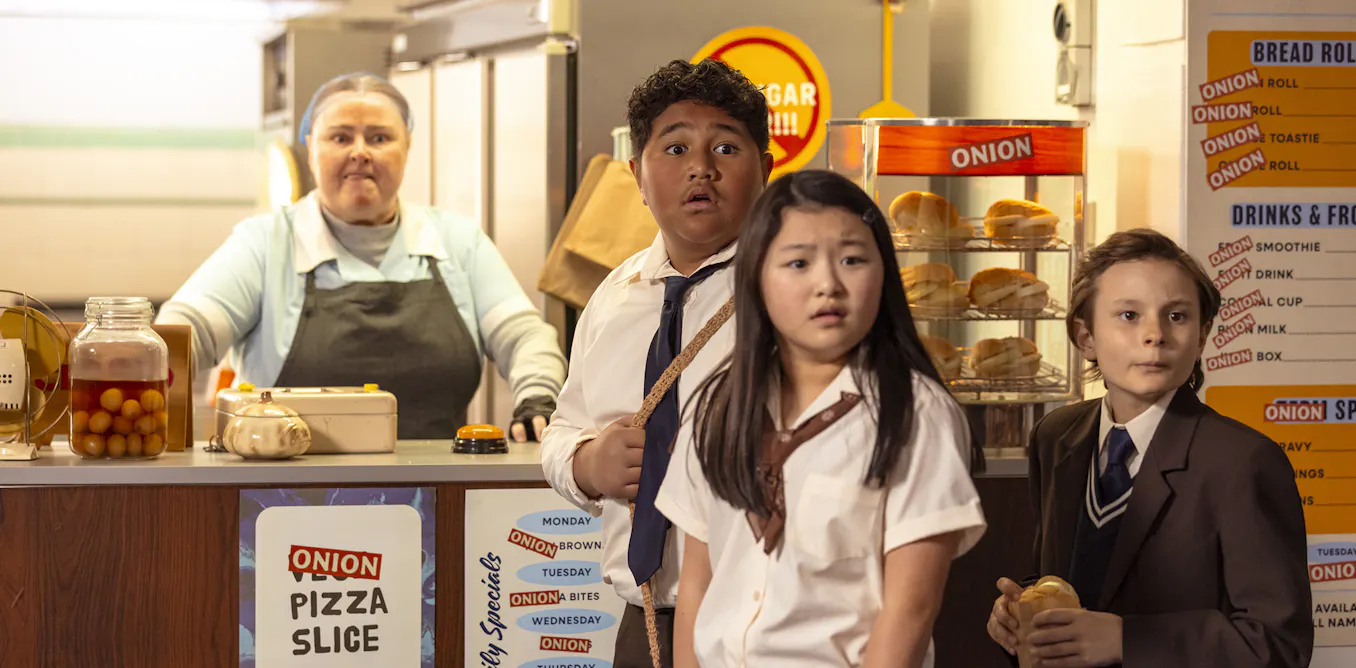
- ABC's new series, 'Caper Crew,' is highlighted as a successful and engaging show amidst the struggling sector.
- The removal of quotas has shifted the primary responsibility for local children's content largely to public broadcasters like the ABC.
- Concerns exist about the impact of reduced local content on children's exposure to Australian culture and identity.
- 'Caper Crew' demonstrates that quality, culturally relevant children's programming can still thrive with dedicated support.
- The situation prompts ongoing debate about government policy and public broadcaster roles in fostering local content creation.
Overview
Australian children's television production has seen a significant decline, particularly after the government removed long-standing content quotas during the pandemic. This policy shift, intended to support struggling broadcasters, has led to a scarcity of new Australian-made kids' shows. Amidst this challenging landscape, the ABC's new series, 'Caper Crew,' is highlighted as a notable success. The show offers a blend of heist narratives and emotional depth, providing a positive example within a struggling sector.
'Caper Crew' represents a continued effort by the ABC to deliver engaging content for young audiences despite broader industry challenges. Its reception suggests a demand for quality local programming that reflects Australian culture and values. The series' success underscores the potential for well-produced children's content to thrive, even as overall production numbers dwindle. This situation brings to light the ongoing debate about the role of public broadcasters and government policy in fostering local content creation.
Background & Context
For decades, Australian broadcasters were mandated to meet specific quotas for children's programming, ensuring a consistent supply of local content. These regulations were a cornerstone of media policy aimed at nurturing Australian storytelling and talent for young viewers. However, the COVID-19 pandemic prompted a re-evaluation of these requirements, leading to their removal in an effort to alleviate financial pressures on commercial networks.
The abolition of these quotas has had a profound impact, contributing to a substantial reduction in new Australian children's shows across the commercial sector. This policy change has shifted the primary responsibility for producing local kids' content largely to public broadcasters like the ABC. The current environment highlights a critical juncture for the future of Australian children's media, with concerns raised about cultural representation and industry sustainability.
Key Developments
The Australian government's decision to scrap children's content quotas marked a significant policy shift, directly impacting the volume of new productions. This move was part of broader industry support measures during economic uncertainty, but it inadvertently accelerated a decline in local children's programming. The commercial television sector, no longer bound by these obligations, has largely reduced its investment in original kids' shows.
In contrast, the ABC has continued its commitment to children's content, with 'Caper Crew' being a recent example of this dedication. The show's narrative structure, combining adventure with themes of friendship and problem-solving, resonates with its target audience. Its positive reception indicates that quality local content remains highly valued by Australian families, even as the overall market shrinks. The success of such shows demonstrates the ongoing importance of public funding and dedicated platforms for children's media.
Perspectives
The decline in Australian children's television production has sparked concerns among creators, parents, and cultural advocates. Many argue that the absence of local content can limit children's exposure to Australian stories, accents, and cultural nuances, potentially impacting their sense of identity. The shift places a greater burden on the ABC to fill this void, raising questions about resource allocation and the long-term viability of a diverse children's media landscape.
Conversely, some industry stakeholders might view the removal of quotas as an opportunity for broadcasters to innovate and focus on content that genuinely appeals to audiences, rather than meeting regulatory requirements. However, the current outcome suggests that without mandates, commercial incentives for local children's programming are often insufficient. The success of 'Caper Crew' provides a counter-narrative, showcasing that high-quality, culturally relevant content can still thrive with appropriate support and creative vision.
What to Watch
Future discussions will likely center on potential policy interventions or funding models to reinvigorate Australian children's television production. Industry bodies and creators will continue to advocate for renewed investment and support for local content. The performance of shows like 'Caper Crew' will serve as a benchmark for the quality and appeal of Australian-made children's programming, influencing future decisions by broadcasters and policymakers regarding content strategy and funding commitments in this critical sector.
Found this story useful? Share it:
Sources (1)
The Conversation Africa
"ABC’s Caper Crew delivers heists and heart – a bright spot in a struggling kids’ TV sector"
April 13, 2026