
Social Media Photo Editing Practices Raise Concerns About Digital Authenticity and Body Image
AI-Summarized Article
ClearWire's AI summarized this story from Boredpanda.com into a neutral, comprehensive article.
Key Points
- Extreme photo editing on social media, particularly Instagram, is a widespread practice distorting natural human features.
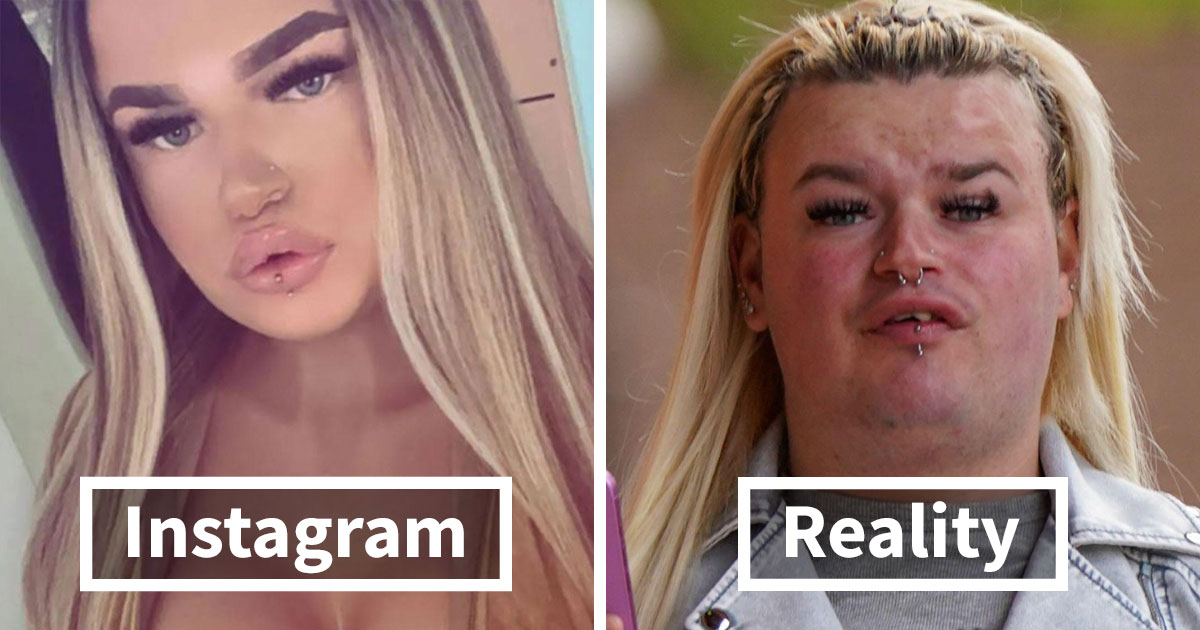
- Boredpanda.com highlighted 67 examples of 'wild edits' that significantly alter individuals' appearances.
- The trend raises concerns about digital authenticity, unrealistic beauty standards, and their impact on self-image.
- Editing tools and filters facilitate these transformations, blurring the line between reality and curated online personas.
- The prevalence of such edits prompts discussions on media literacy and critical consumption of online visual content.
Overview
Recent observations highlight a pervasive trend of extreme photo editing on social media platforms, particularly Instagram. This phenomenon involves individuals significantly altering their appearance in photographs, often to an extent that deviates substantially from natural human features. The practice raises questions about the authenticity of online representations and the potential impact on viewers' perceptions of reality and self-image. The Boredpanda.com article spotlights numerous examples of these highly manipulated images, suggesting a disconnect between digital portrayals and real-world appearances.
This trend underscores a broader challenge within digital culture, where the line between reality and heavily curated online personas has become increasingly blurred. The article implicitly critiques the extent of these edits, suggesting that some users may have lost touch with what constitutes a natural human face. Such widespread digital alteration contributes to an environment where visual information cannot be trusted at face value, prompting discussions about media literacy and critical consumption of online content.
Background & Context
Social media platforms have long been associated with the presentation of idealized self-images, a practice facilitated by readily available editing tools and filters. From subtle enhancements to dramatic transformations, users have access to various technologies that allow them to modify their appearance before sharing content. This evolution of digital self-presentation has roots in traditional media's use of photo retouching, but its democratization through mobile apps has made it accessible to billions. The current trend represents an extreme manifestation of this capability, pushing the boundaries of what is considered a 'normal' or 'believable' alteration.
Historically, the pursuit of aesthetic perfection has driven many cultural practices, but digital editing introduces new dimensions to this quest. The ease with which physical traits can be altered digitally creates a feedback loop, where unrealistic standards are both perpetuated and reinforced by the content shared online. This digital arms race of perfection can have significant psychological implications, particularly for younger audiences who are more susceptible to comparing themselves to these often unattainable ideals.
Key Developments
The Boredpanda.com article specifically showcases 67 examples of highly edited Instagram photos, serving as a visual catalog of this extreme trend. These examples reportedly feature alterations so extensive that they distort natural human anatomy and proportions. The article's focus on these 'wild edits' suggests a growing concern within online communities about the prevalence and extremity of such manipulations.
The publication of these examples serves to illustrate the significant gap between digital self-representation and physical reality. It highlights how individuals are employing advanced editing techniques to create highly stylized and often unrealistic versions of themselves. The sheer volume of examples presented in the article indicates that this is not an isolated phenomenon but rather a widespread practice across various user profiles on social media platforms.
Perspectives
While the Boredpanda.com article primarily presents examples without explicit commentary from individuals, its tone suggests a critical perspective on the extreme nature of these edits. The implied viewpoint is that such extensive alterations contribute to unrealistic beauty standards and can mislead viewers about genuine appearances. This aligns with broader societal discussions about the mental health impacts of social media, particularly concerning body image and self-esteem.
Conversely, some users might view photo editing as a form of artistic expression or a way to present their best possible self, aligning with the aspirational nature of social media. However, the article's framing implies that the level of distortion observed crosses into a territory that challenges basic recognition of human features. This raises questions about the ethical boundaries of digital self-presentation and the responsibility of platforms and users alike.
What to Watch
As discussions around digital authenticity and the psychological effects of social media continue, attention will likely remain on how platforms address content manipulation. Future developments may include increased calls for transparency regarding edited images, such as mandatory disclosure labels, or the evolution of AI tools designed to detect and flag heavily altered content. Observers will also monitor how these trends influence beauty standards and mental health discourse, particularly among younger generations navigating online identities.
Found this story useful? Share it:
Sources (1)
Boredpanda.com
"67 Wild Instagram Edits That Prove Some Folks Haven’t Seen A Real Human Face In Years (New Pics)"
April 13, 2026