
U.S. Military Strikes on Suspected Drug Trafficking Vessels in Eastern Pacific Result in Fatalities
AI-Summarized Article
ClearWire's AI summarized this story from CBS News into a neutral, comprehensive article.
Key Points
- U.S. military reported five fatalities and one survivor in recent strikes on suspected drug boats in the eastern Pacific.
- The operations are part of an ongoing and controversial U.S. campaign to interdict drug trafficking in international waters.
- These interventions target vessels suspected of transporting narcotics from South America, often involving high-speed pursuits.
- The use of lethal force in these counter-narcotics operations has raised scrutiny and debate over rules of engagement.
- Proponents cite national security and drug disruption, while critics raise human rights and transparency concerns.
- Further details on the specific incident and potential policy discussions are expected.
Overview
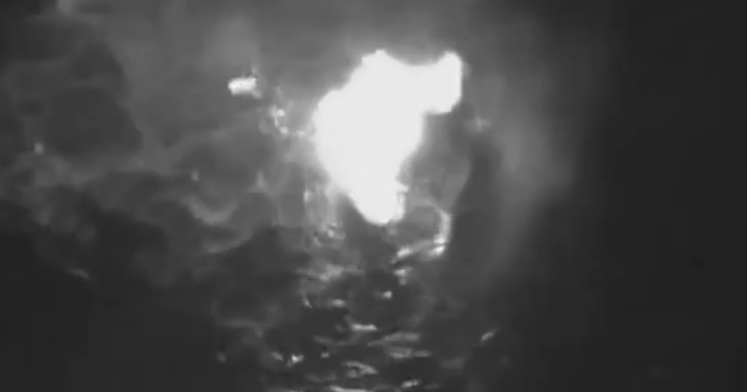
The U.S. military reported on Sunday that five individuals were killed and one survived during recent strikes on vessels suspected of drug trafficking in the eastern Pacific. These operations are part of a broader, ongoing campaign aimed at interdicting illicit drug shipments in international waters. The incident adds to the growing number of fatalities associated with these controversial military interventions against alleged drug smugglers.
These maritime interdiction efforts are conducted by U.S. forces, often involving Coast Guard personnel alongside Navy assets, targeting routes frequently used for narcotics smuggling from South America towards North America. The stated objective is to disrupt the flow of illegal drugs and dismantle transnational criminal organizations. The operations typically involve surveillance, pursuit, and, when necessary, the use of force to stop suspected vessels.
Background & Context
The U.S. has maintained an active presence in the eastern Pacific for years, conducting counter-narcotics operations as part of its broader strategy to combat international drug trafficking. These operations often involve intercepting go-fast boats and semi-submersible vessels, which are difficult to detect and apprehend. The legal framework for these interdictions in international waters can be complex, particularly concerning the use of lethal force.
Such military interventions have drawn scrutiny due to the inherent risks and potential for loss of life, especially when suspects are engaged in high-speed pursuits or resist apprehension. The U.S. government justifies these actions as necessary to protect national security and public health by stemming the flow of illegal drugs into the country. The controversial nature of the campaign stems from the direct engagement of military forces in law enforcement-type actions resulting in fatalities.
Key Developments
The most recent incident involved the deaths of five individuals, with one survivor, during an operation against alleged drug boats. Specific details regarding the engagement, such as the exact location, the type of vessel involved, and the sequence of events leading to the fatalities, were not immediately released by the U.S. military. The survivor's condition and legal status were also not detailed in initial reports.
These strikes are part of a pattern of engagements where U.S. forces have used lethal force against suspected drug traffickers. Previous incidents have also resulted in fatalities, raising questions about rules of engagement and proportionality. The U.S. military typically emphasizes that force is used only when necessary and in accordance with international and domestic laws, often citing self-defense or the prevention of evidence destruction as justifications.
Perspectives
Proponents of these military operations argue that they are a critical component of national security, effectively disrupting drug supply chains and saving lives by preventing illicit substances from reaching U.S. communities. They highlight the dangerous nature of drug cartels and the need for robust measures to counter their activities. The U.S. Coast Guard often emphasizes the significant quantities of drugs seized through these efforts.
Conversely, human rights organizations and some international observers have raised concerns about the use of lethal force in these interdiction operations. They advocate for greater transparency regarding rules of engagement, independent investigations into fatalities, and a focus on addressing the root causes of drug trafficking rather than solely on interdiction. The legal and ethical implications of military forces acting in a law enforcement capacity in international waters remain a subject of ongoing debate.
What to Watch
Further details regarding the specific circumstances of this latest incident, including any official investigations or reports from the U.S. military or Coast Guard, are anticipated. Observers will also monitor any potential shifts in policy or public discourse surrounding the U.S.'s controversial counter-narcotics campaign in the eastern Pacific, particularly in light of continued fatalities and evolving international legal frameworks.
Found this story useful? Share it:
Sources (1)
CBS News
"U.S. says 5 killed, 1 survivor in military strikes on alleged drug boats in eastern Pacific"
April 13, 2026