
Flip Wilson's 'Car Payments' Quote Highlights Financial Responsibility with Humor
AI-Summarized Article
ClearWire's AI summarized this story from The Times of India into a neutral, comprehensive article.
Key Points
- Flip Wilson's quote, "If you think nobody cares if you're alive, try missing a couple of car payments," highlights financial responsibility.
- The quote uses humor to underscore the immediate and tangible consequences of economic obligations and debt.
- Wilson, a pioneering African American comedian, was known for his observational humor on everyday life and societal dynamics.
- The statement reflects how financial systems ensure attention to an individual's presence through payment tracking.
- It offers a pragmatic, albeit cynical, perspective on human interconnectedness and societal accountability through economic ties.
- The quote's enduring relevance stems from its connection to universal experiences of financial pressure and modern economic realities.
Overview
American comedian Flip Wilson's notable quote, "If you think nobody cares if you're alive, try missing a couple of car payments," has been highlighted for its humorous yet insightful commentary on financial responsibility. This quote, often shared for its life lessons, uses a comedic approach to underscore the immediate and tangible consequences of economic obligations. It subtly points to how financial commitments can create a sense of urgency and external awareness regarding an individual's presence and actions.
The quote's enduring relevance stems from its ability to connect with universal experiences of financial pressure and the societal structures that govern them. It serves as a reminder that while personal well-being might sometimes feel overlooked, financial systems often ensure a rapid response to non-compliance. The quote is frequently cited in discussions about personal finance, economic realities, and the often-unseen interconnectedness of individuals within a financial ecosystem.
Background & Context
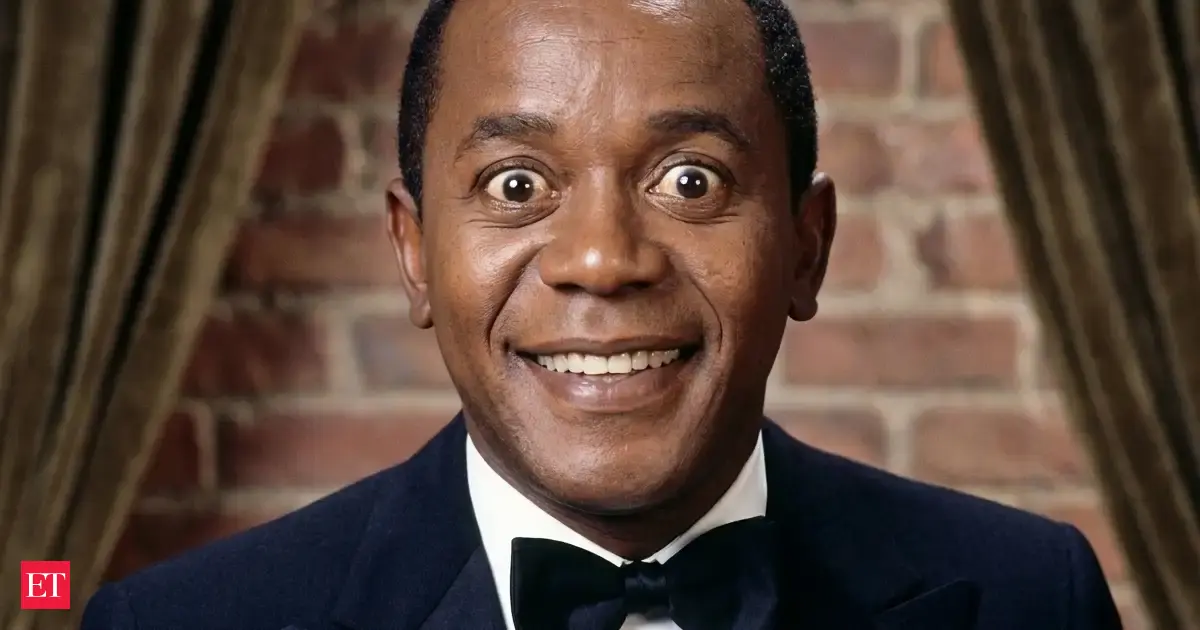
Flip Wilson, born Clerow Wilson Jr. (1933-1998), was a groundbreaking American comedian, actor, and television host. He rose to prominence in the late 1960s and early 1970s, becoming the first African American to host a successful network variety show, "The Flip Wilson Show." Wilson was known for his charismatic stage presence, memorable characters, and a unique brand of observational humor that often touched on everyday life, social dynamics, and personal struggles.
His comedic style frequently employed wit and irony to deliver deeper messages, making complex societal observations accessible and entertaining. The quote about car payments exemplifies his ability to distill a significant economic reality into a concise, humorous statement. This particular line reflects a broader theme in his work, which often explored the intersection of personal experience and larger societal forces, including economics and social responsibility.
Key Developments
The quote itself, while simple, encapsulates a profound truth about modern financial systems. It suggests that while emotional support or personal recognition might sometimes be absent, the mechanisms of debt and credit ensure that one's financial existence is meticulously tracked and acted upon. The humor in the quote lies in its stark contrast: the existential question of whether anyone cares about one's life is answered not by emotional connection, but by the impersonal, yet highly attentive, world of financial institutions.
This observation highlights how economic obligations can create a form of societal accountability, even if it's not rooted in personal affection. The immediate consequence of missing payments, such as repossession or credit score damage, serves as a powerful, albeit negative, indicator of one's impact on the financial system. The quote's popularity reflects a widespread understanding of these financial pressures and the often-unseen forces that dictate daily life.
Perspectives
The quote offers a cynical yet realistic perspective on human interconnectedness, suggesting that financial ties can sometimes be more potent motivators for interaction than personal relationships. It can be interpreted as a commentary on the priorities of a consumer-driven society, where economic participation often defines one's perceived value or presence. While some might find the sentiment disheartening, others view it as a pragmatic reminder of the importance of financial literacy and responsibility.
It also implicitly critiques the impersonal nature of modern financial systems, which prioritize transactions and payments over individual circumstances. The humor serves as a coping mechanism, allowing individuals to acknowledge and discuss an often-stressful aspect of life with levity. The quote's widespread appeal indicates a shared recognition of these economic realities across diverse demographics.
What to Watch
The continued popularity of Flip Wilson's quotes, including this one, suggests an ongoing cultural resonance with themes of financial responsibility and societal accountability. As economic conditions evolve, the relevance of such observations about the practical implications of debt and payments is likely to persist. Future discussions around personal finance and the role of humor in addressing serious life topics will likely continue to reference such iconic statements.
Found this story useful? Share it:
Sources (1)
The Times of India
"Quote of the day by Flip Wilson: 'If you think nobody cares if you're alive, try missing...' Life lessons on luck, violence and economics by popular American comedian. Here's meaning, biography and relevance"
April 13, 2026