Government Faces Confidence Motion Amid Fuel Crisis Handling Debate
AI-Summarized Article
ClearWire's AI summarized this story from RTE into a neutral, comprehensive article.
Key Points
- Irish government faces a motion of no confidence on Wednesday over its handling of a recent fuel crisis.
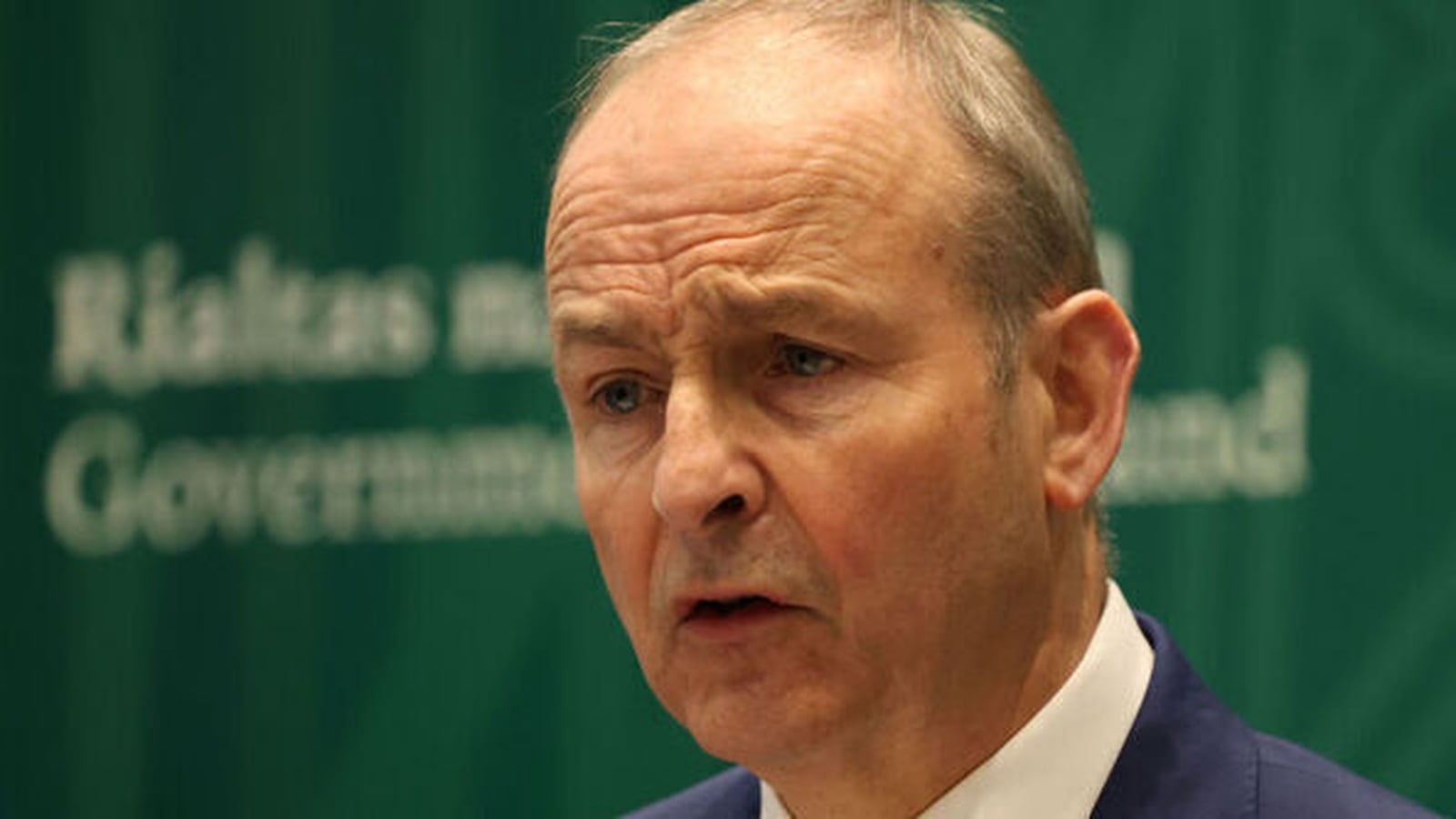
- Taoiseach Micheál Martin accused opposition parties of supporting blockades at ports and the country's only oil refinery.
- The blockades last week reportedly nearly led to a severe scarcity of fuel across the country.
- The motion will be debated and voted upon in Dáil Éireann, challenging the government's crisis management.
- The crisis stems from protests against rising fuel prices and economic pressures, impacting essential services.
Overview
The Irish government is set to face a motion of no confidence on Wednesday, initiated by opposition parties, concerning its handling of a recent fuel crisis. Taoiseach Micheál Martin has accused opposition parties of supporting blockades at ports and the country's sole oil refinery last week, actions he claims nearly led to a severe fuel scarcity. This political challenge arises directly from the disruption caused by protests and the government's response to them, highlighting tensions between the administration and its critics over economic and logistical stability.
The motion, which will be debated and voted upon in Dáil Éireann, places significant pressure on the ruling coalition. It forces a parliamentary review of the government's crisis management strategies and its ability to maintain essential supplies. The outcome will be a key indicator of the government's stability and public confidence in its leadership during times of national disruption.
Background & Context
The recent fuel crisis stemmed from widespread blockades, particularly affecting critical infrastructure such as ports and the country's only oil refinery. These actions, reportedly by a group calling itself the Irish Truckers and Haulage Association, were part of broader protests against rising fuel prices and other economic pressures. The government's response to these blockades, including its engagement with protestors and measures to ensure supply, has become a focal point of political contention.
Previous instances of industrial action or protests impacting essential services have often led to heightened political scrutiny. The current situation echoes past challenges where the government's role in mediating disputes and safeguarding national interests was closely examined. The opposition's decision to table a confidence motion signifies a belief that the government's actions, or inactions, warrant a formal parliamentary challenge.
Key Developments
Taoiseach Micheál Martin's direct accusation against opposition parties for allegedly supporting the blockades marks a significant escalation in the political rhetoric surrounding the crisis. He stated that such support endangered the country's fuel supply, a charge that has likely fueled the intensity of the upcoming confidence debate. This accusation frames the opposition's stance not merely as criticism, but as complicity in actions that threatened national infrastructure.
The Dáil Éireann is scheduled to debate the confidence motion tomorrow, culminating in a vote that will test the government's majority. The debate is expected to feature robust arguments from both sides, with the government defending its crisis management and the opposition outlining perceived failures. The specific details of the government's contingency plans, communication with stakeholders, and engagement with protestors are likely to be scrutinized during the parliamentary proceedings.
Perspectives
The government, led by Taoiseach Martin, views the opposition's actions as opportunistic and potentially undermining national stability by encouraging disruptive protests. Their perspective is likely to emphasize the difficult balance between upholding the right to protest and ensuring the continuity of essential services. They will argue that their measures were necessary to prevent a more severe economic and social impact from the fuel scarcity.
Opposition parties, on the other hand, are likely to frame the confidence motion as a necessary accountability measure, arguing that the government's handling of the crisis was inadequate, slow, or mismanaged. They may highlight the economic hardship faced by citizens and businesses due to rising fuel costs, positioning themselves as advocates for those affected and critics of the government's perceived lack of effective solutions. The debate will therefore reflect a fundamental disagreement on both the cause of the crisis and the appropriate governmental response.
What to Watch
The parliamentary debate and subsequent vote on the motion of no confidence tomorrow will be the immediate focus. The outcome will determine the short-term political stability of the current government. Beyond the vote, observers will be watching for any further statements or actions from the government regarding long-term strategies for managing fuel supply and addressing the underlying causes of protests, particularly concerning energy costs and supply chain resilience. The ongoing economic pressures and potential for further industrial action will also remain key areas of attention. The government's ability to maintain its coalition and public trust in the face of these challenges will be closely monitored. The government's ability to maintain its coalition and public trust in the face of these challenges will be closely monitored.
Found this story useful? Share it:
Sources (1)
RTE
"Govt facing confidence motion over fuel crisis handling"
April 12, 2026