
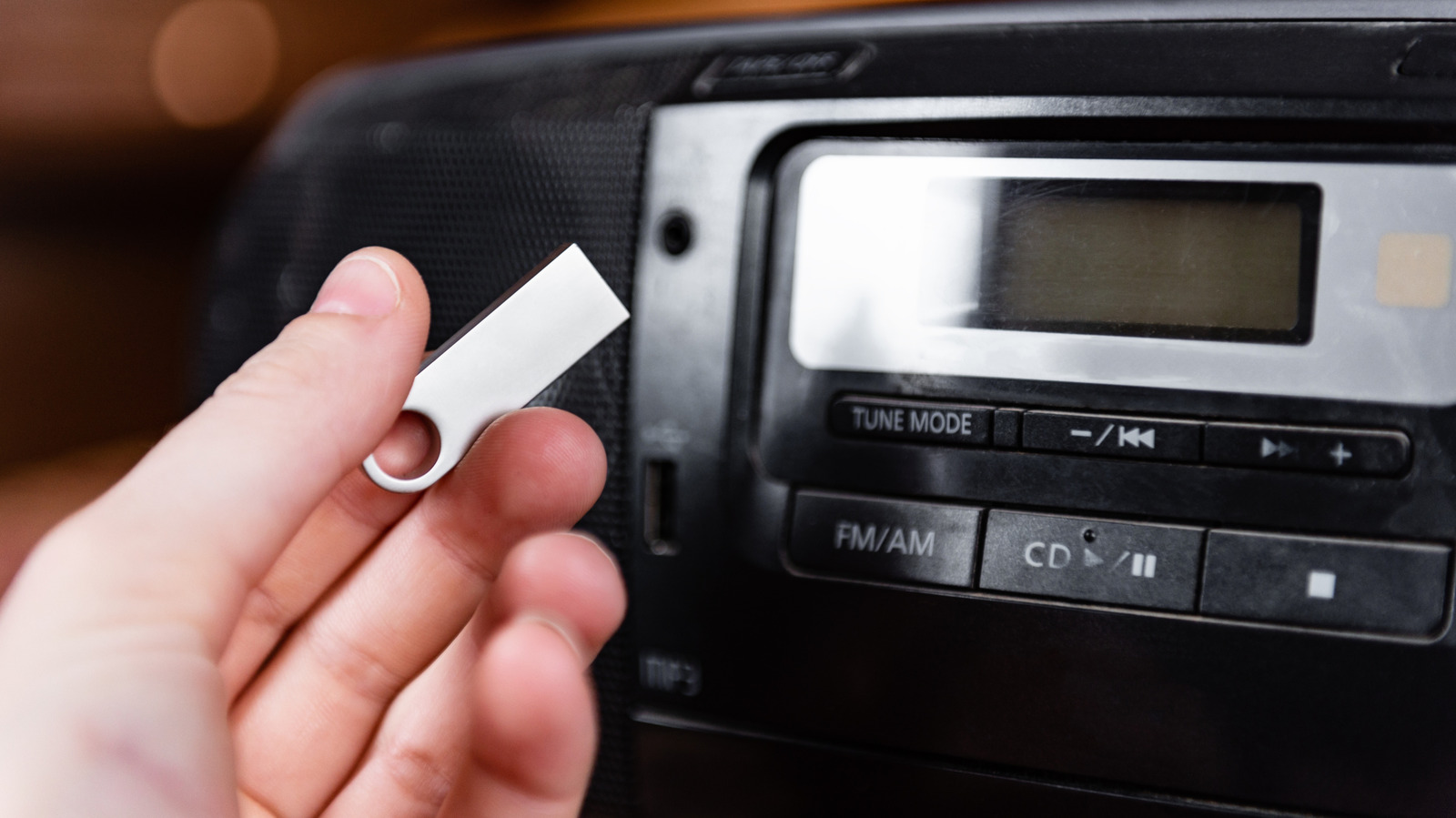
USB Sticks Emerge as Practical Option for In-Car Music Playback
AI-Summarized Article
ClearWire's AI summarized this story from BGR into a neutral, comprehensive article.
Key Points
- USB sticks offer a reliable, high-quality, and offline solution for in-car music playback, avoiding streaming issues.
- They provide superior sound quality compared to many Bluetooth connections, supporting direct digital high-resolution audio.
- USB drives eliminate concerns about cellular dead zones, data caps, subscription costs, and smartphone battery drain.
- Modern USB sticks boast large storage capacities, allowing thousands of songs on a single, compact device.
- The method offers a curated, ownership-based music experience, appealing to those who prefer full control over their library.
- USB playback ensures uninterrupted music, serving as a dependable alternative to internet-dependent streaming services.
Overview
Modern vehicles increasingly offer advanced infotainment systems, yet many drivers find USB sticks to be a highly practical and often superior method for in-car music playback. This approach offers significant advantages over streaming services, Bluetooth connections, or traditional physical media like CDs. The simplicity and reliability of USB storage address common frustrations associated with internet-dependent solutions and varying sound quality.
USB sticks provide a consistent and high-quality audio experience, circumventing issues such as cellular dead zones, data caps, and subscription costs. Their plug-and-play functionality and robust storage capacity make them an attractive alternative for audiophiles and casual listeners alike. This method harkens back to earlier forms of personalized music consumption, updated for contemporary digital formats.
Background & Context
Historically, personalized in-car music involved physical media like cassette mixtapes and burned CDs, which offered a tangible sense of curation but were limited by storage capacity and physical wear. The advent of digital music players and, later, streaming services shifted consumer habits towards convenience and vast libraries. However, these newer technologies introduced dependencies on internet connectivity and device battery life, which can be problematic in a mobile environment.
USB sticks bridge the gap between these eras, offering the digital convenience of modern formats without the connectivity constraints of streaming. They provide a reliable, offline solution that ensures music is always available, regardless of network coverage or data plan limitations. This makes them particularly appealing for long road trips or areas with inconsistent cellular service.
Key Developments
One primary benefit of USB sticks is their superior sound quality compared to many Bluetooth connections. While Bluetooth audio has improved, it still often involves compression that can degrade fidelity. USB connections, by contrast, allow for direct digital playback of high-resolution audio files, preserving the original sound quality. This is a significant factor for listeners who prioritize audio fidelity.
Furthermore, USB sticks offer unparalleled reliability. Unlike streaming services that can buffer or drop out due to poor signal, or smartphones that might run out of battery, a USB stick provides uninterrupted playback as long as the car's power is on. Their storage capacity has grown exponentially, allowing users to carry thousands of songs, entire discographies, or extensive playlists on a single, small device, eliminating the need to constantly manage a phone's storage or data usage.
Perspectives
While streaming services offer convenience through vast, on-demand libraries and algorithmic recommendations, the USB stick provides a curated, ownership-based experience. This method appeals to individuals who prefer to own their music and have complete control over their listening environment without external dependencies. It also provides a robust backup for situations where internet access is unavailable or unreliable, ensuring a consistent entertainment option.
For many, the act of curating a music collection on a USB stick mirrors the enjoyment of creating mixtapes or burning CDs, offering a sense of personalization and control. This contrasts with the often passive consumption associated with streaming, providing a more deliberate and reliable musical journey during commutes or travels.
What to Watch
As vehicle infotainment systems continue to evolve, the integration and optimization of various music playback methods will remain a focus. While streaming services will undoubtedly continue to dominate, the enduring appeal of reliable, high-quality, offline options like USB sticks suggests they will retain a niche but significant role for in-car entertainment, especially for audiophiles and those prioritizing consistency over connectivity.
Found this story useful? Share it:
Sources (1)
BGR
"USB Sticks Might Be The Best Way To Listen To Music In The Car - Here's Why"
April 12, 2026