
Scottish Independence Referendum Debate: Swinney Suggests 2028, Starmer Opposes During Premiership
AI-Summarized Article
ClearWire's AI summarized this story from BBC News into a neutral, comprehensive article.
Key Points
- Scottish First Minister John Swinney suggested a second independence referendum could occur by 2028.
- A Scottish independence referendum requires formal approval from the UK government to be legally binding.
- UK Prime Minister Sir Keir Starmer stated he opposes a referendum during his time in office.
- The 2014 Scottish independence referendum resulted in 55% voting to remain in the UK.
- The SNP argues Brexit constitutes a material change warranting another independence vote.
Overview
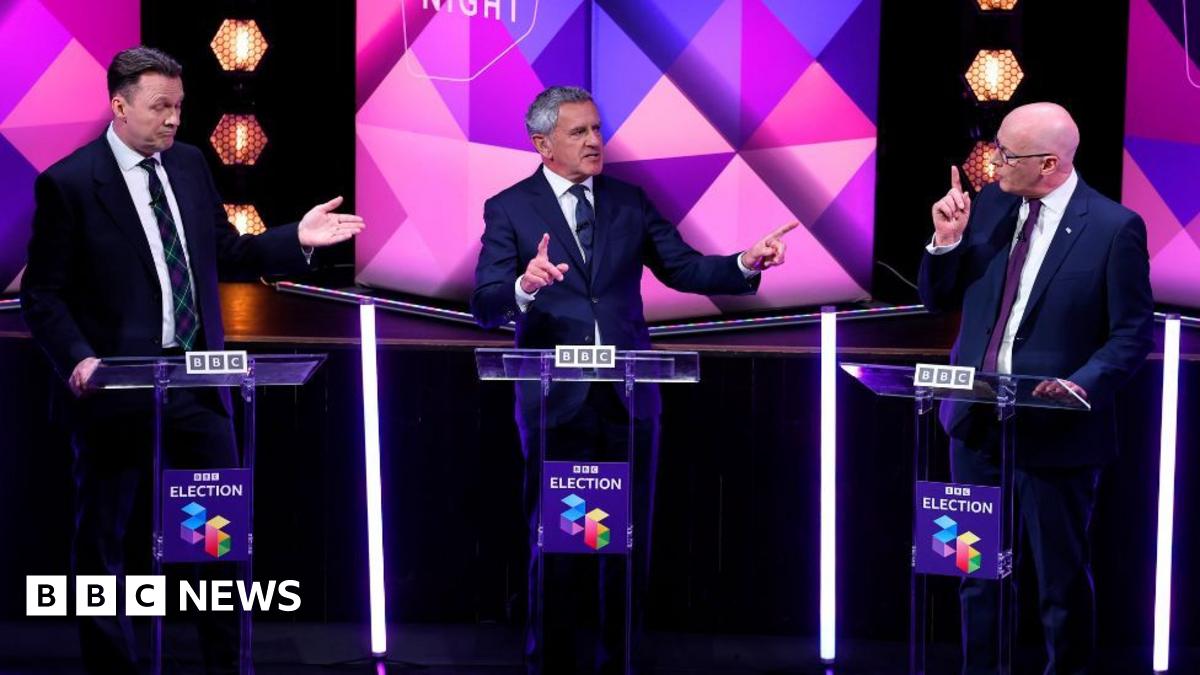
Scotland's First Minister John Swinney has indicated that a second independence referendum could potentially be held by 2028. This statement was made during a Scottish leaders' debate, outlining a potential timeline for a future vote on Scotland's constitutional status. However, any such referendum would require formal approval from the United Kingdom government to be legally binding. This issue remains a central point of contention in Scottish and UK politics.
Simultaneously, UK Prime Minister Sir Keir Starmer has publicly stated his firm opposition to an independence referendum taking place during his tenure in 10 Downing Street. His stance suggests a significant hurdle for the Scottish National Party's (SNP) aspirations for another vote. The differing positions highlight the ongoing constitutional debate between Edinburgh and London regarding Scotland's future within the UK.
Background & Context
Scotland previously held an independence referendum in 2014, where 55% of voters chose to remain part of the United Kingdom. Despite this result, the Scottish National Party has consistently maintained that Brexit, which Scotland largely opposed, constitutes a material change in circumstances warranting a new vote. The SNP's platform frequently includes a commitment to holding another referendum when the time is deemed appropriate by the Scottish government.
The legal framework for such a vote typically requires a Section 30 order from the UK Parliament, temporarily transferring the power to legislate for a referendum to the Scottish Parliament. Without this, any referendum would be considered advisory or consultative, lacking legal effect. The UK government has consistently refused to grant such an order, arguing that the 2014 vote was decisive and should be respected.
Key Developments
John Swinney's suggestion of a 2028 timeframe provides a clearer, albeit conditional, target for the Scottish government's independence ambitions. This date aligns with the current Scottish parliamentary term and potential future electoral cycles. His remarks aim to provide a strategic direction for the independence movement, offering a new benchmark for supporters.
Conversely, Sir Keir Starmer's unequivocal rejection of a referendum during his premiership sets a firm boundary for the Labour government should they win the next UK general election. This position signals a period of continued constitutional stability from the UK government's perspective. It also indicates a potential clash between the Scottish and UK governments over the timing and legitimacy of any future independence vote.
Perspectives
The Scottish National Party views independence as the best path for Scotland to achieve its economic and social goals, particularly in light of Brexit. They argue that Scotland's democratic will is being undermined by the UK government's refusal to grant a referendum. The party believes that a mandate for a vote has been repeatedly delivered through Scottish parliamentary elections.
Unionist parties, including Labour and the Conservatives, maintain that the focus should be on improving public services and the economy within the existing UK framework. They contend that another divisive referendum would distract from these priorities and create economic uncertainty. Their stance emphasizes the benefits of Scotland remaining part of the United Kingdom.
What to Watch
Future developments will hinge on the outcomes of upcoming elections, both in Scotland and across the UK. The next UK general election will be crucial in determining the political landscape and the UK government's approach to Scottish independence. Similarly, the performance of the SNP in future Scottish elections will indicate the level of public support for their independence agenda and their ability to press for a vote.
Found this story useful? Share it:
Sources (1)
BBC News
"Scottish leaders debate: Swinney says independence referendum could be held in 2028"
April 12, 2026