
Bots Evolve from Automation to Orchestration, Creating New Economic Opportunities
AI-Summarized Article
ClearWire's AI summarized this story from CryptoSlate into a neutral, comprehensive article.
Key Points
- Advanced AI and bots are transitioning from simple automation to complex orchestration, creating a new economy.
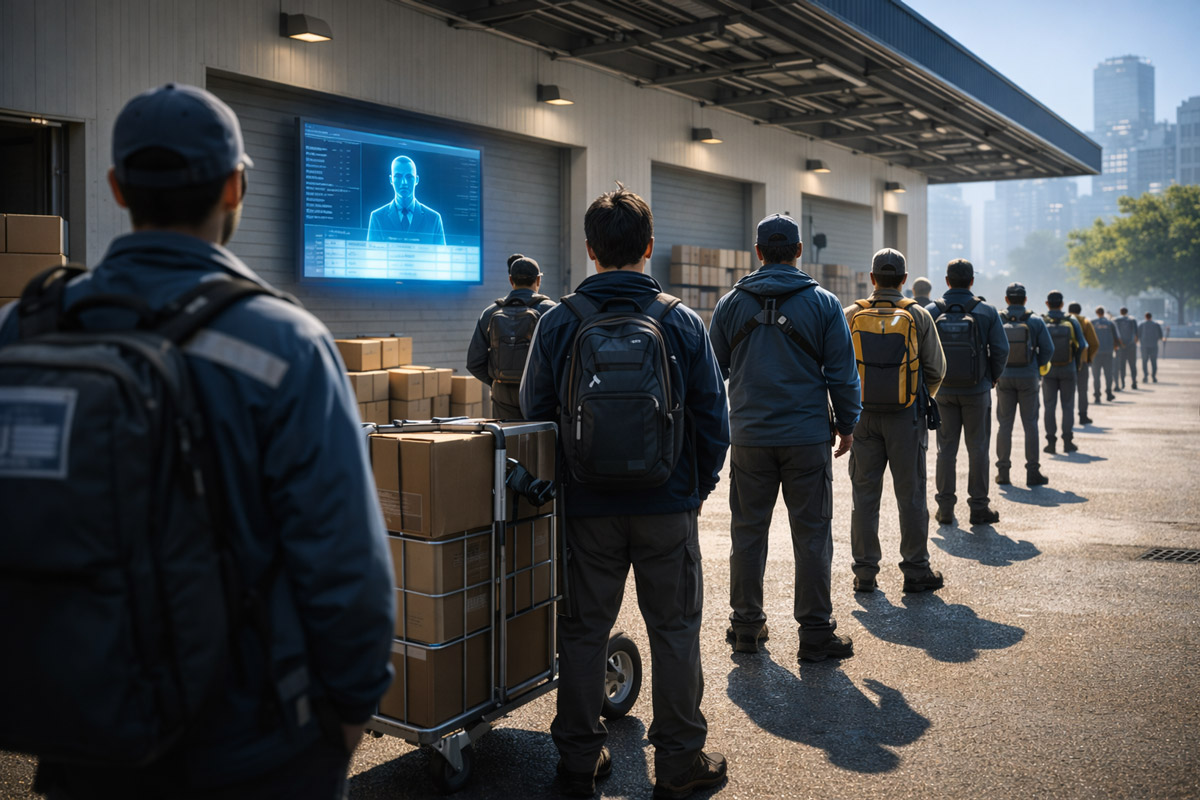
- Bots are now acting as 'employers,' identifying needs, assigning tasks, and managing human labor for specific roles.
- This shift creates new job categories where human creativity and problem-solving complement AI capabilities.
- The emerging economy integrates human skills into AI workflows, challenging traditional employment models.
- Ethical considerations and regulatory frameworks are crucial to ensure fair labor practices in bot-human collaboration.
Overview
The emergence of advanced artificial intelligence (AI) and bots is fundamentally reshaping economic structures, transitioning from simple automation to complex orchestration. This shift is giving rise to a novel economy where bots act as employers, creating demand for human skills and services. This development challenges traditional employment models by enabling bots to manage tasks, assign work, and even provide compensation, fostering a dynamic relationship between AI and human labor.
This new paradigm is characterized by bots that not only perform tasks but also identify gaps in their capabilities, subsequently hiring humans to fill these roles. This process extends beyond simple task delegation, encompassing complex project management and the integration of human creativity and problem-solving skills. The evolving relationship suggests a future where AI and humans collaborate more intrinsically, with bots serving as catalysts for new forms of employment and economic activity.
Background & Context
Historically, automation has been viewed as a force that displaces human labor by performing repetitive tasks more efficiently. However, the current evolution of AI, particularly with large language models (LLMs) and sophisticated bots, introduces a new dynamic where AI's limitations create opportunities for human engagement. Bots now possess the capability to recognize when a task requires human nuance, creativity, or specialized knowledge that they cannot replicate, leading them to actively seek human input.
This development marks a significant departure from previous waves of technological advancement. Instead of merely automating existing jobs, these advanced bots are generating entirely new categories of work and economic interactions. This shift necessitates a re-evaluation of how work is structured, how value is created, and the evolving role of humans in an increasingly AI-driven world.
Key Developments
One key development is the concept of bots as 'employers,' where they can initiate and manage work contracts for humans. This involves bots identifying a need, defining the scope of work, finding suitable human talent, and overseeing the completion of tasks. This ecosystem is powered by technologies that allow bots to interact with human marketplaces and manage payments, creating a seamless integration of AI and human labor.
Furthermore, the integration of human skills into AI-driven workflows is becoming more sophisticated. Bots are not just delegating simple tasks but are orchestrating complex projects that require human judgment, creativity, and ethical considerations. This includes roles in content creation, strategic planning, and problem-solving where human cognitive abilities remain indispensable, complementing the analytical and processing power of AI.
Perspectives
This emerging economy presents a dual perspective: while some view it as a potential solution to job displacement by creating new opportunities, others express concerns about the nature of these new jobs and the power dynamics involved. Proponents argue that bots can empower humans by offloading mundane tasks, allowing individuals to focus on more creative and complex endeavors. This could lead to a more efficient and innovative global workforce.
Conversely, questions arise regarding job security, fair compensation, and the potential for algorithmic control over human labor. Ensuring ethical guidelines and regulatory frameworks will be crucial to prevent exploitation and to foster a symbiotic relationship where both AI and humans thrive. The discussion centers on how to harness AI's potential to augment human capabilities rather than diminish them.
What to Watch
Future developments will likely focus on the refinement of platforms that facilitate bot-human collaboration and the establishment of clear ethical and legal frameworks for this new economy. Observers should monitor advancements in AI's ability to define and manage complex human tasks, as well as the growth of marketplaces specifically designed for bot-driven hiring. The evolution of regulatory responses to ensure fair labor practices and data privacy in this AI-orchestrated environment will also be critical to watch.
Found this story useful? Share it:
Sources (1)
CryptoSlate
"Rent a human: The day bots started hiring us"
April 11, 2026