
Fuel Protests Disrupt Ireland, Causing Widespread Service Station Shortages
AI-Summarized Article
ClearWire's AI summarized this story from Abcnews.com into a neutral, comprehensive article.
Key Points
- Fuel protests in Ireland have caused over a third of service stations to run dry as truck and tractor drivers blockade oil depots.
- The demonstrations, led by the 'Irish Truckers and Haulage Association Against Fuel Prices,' are in response to soaring fuel costs.
- Blockades have been ongoing for five days, severely impacting fuel distribution and causing widespread inconvenience.
- Protesters demand government action, including potential tax reductions or subsidies, to address high petrol and diesel prices.
- Emergency services are exempt from shortages, but the general public faces significant challenges in accessing fuel.
- The government has acknowledged the disruption but has not yet announced specific measures to resolve the crisis.
Overview
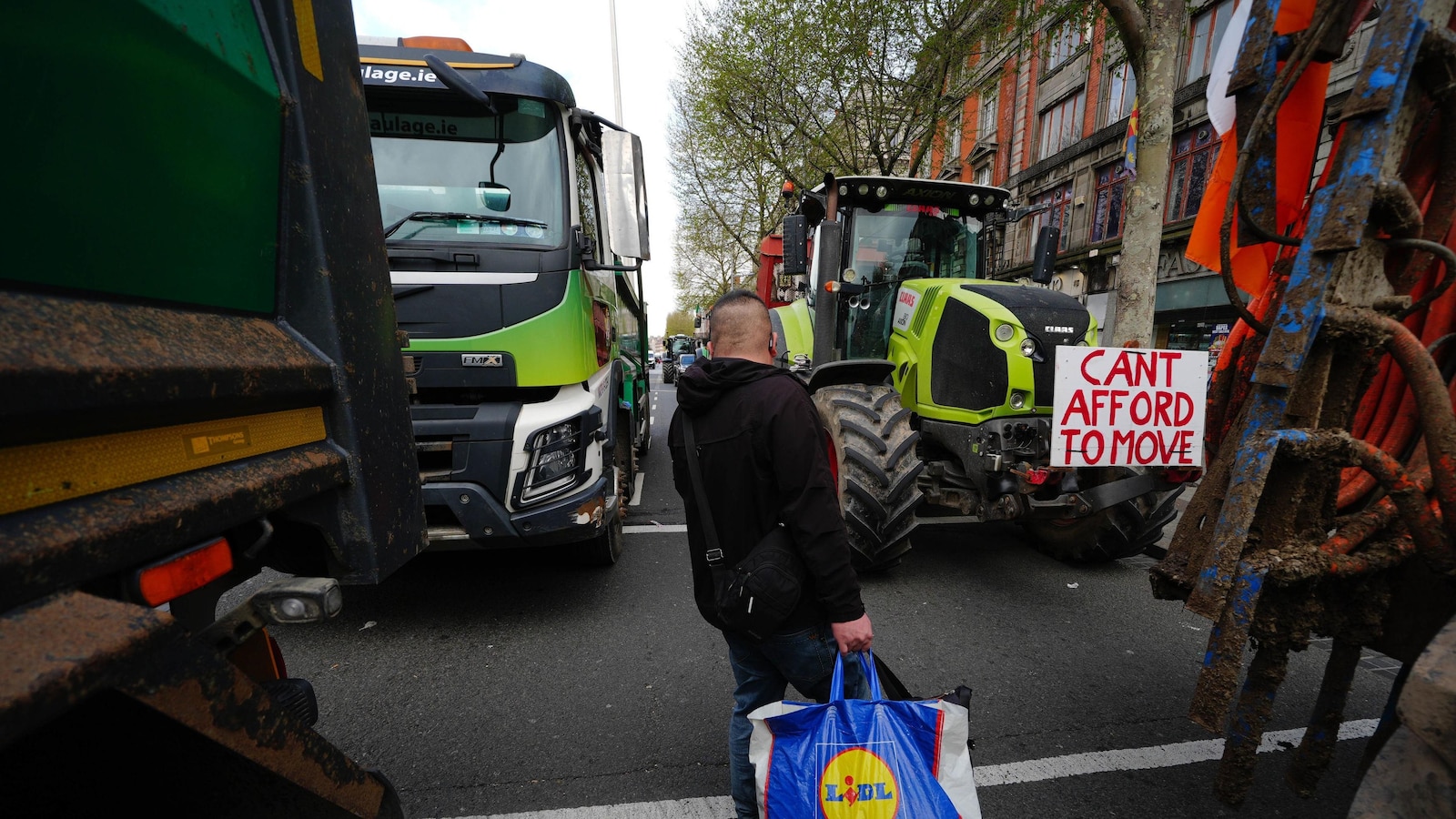
Protests stemming from the escalating cost of fuel have significantly disrupted Ireland, leading to numerous gas stations running dry. On Saturday, truck and tractor drivers continued their fifth day of blockades at oil depots nationwide, impacting fuel distribution channels. This widespread action has left over a third of the country's service stations without fuel, creating considerable inconvenience for commuters and essential services across various regions.
The demonstrations, organized by the 'Irish Truckers and Haulage Association Against Fuel Prices,' aim to pressure the government to address the record-high prices of petrol and diesel. Participants are demanding immediate action, including potential tax reductions or subsidies, to alleviate the financial burden on hauliers and the general public. The sustained nature of these blockades indicates a strong resolve among protesters to continue their action until their demands are met or a dialogue with authorities yields tangible solutions.
Background & Context
The current wave of protests is a direct response to a global surge in fuel prices, exacerbated by international events and supply chain issues. Ireland, like many other nations, has experienced a significant increase in the cost of living, with fuel prices being a major contributor to household and business expenses. Previous, smaller-scale demonstrations had occurred, but the current coordinated action represents a substantial escalation in efforts to draw government attention to the crisis facing the transport sector and consumers.
This situation echoes similar protests seen in other European countries where rising energy costs have sparked public unrest. The reliance on road transport for goods and services in Ireland makes the haulage industry particularly vulnerable to fuel price fluctuations, with increased operational costs often passed on down the supply chain, affecting consumer prices for everyday goods.
Key Developments
The 'Irish Truckers and Haulage Association Against Fuel Prices' confirmed that their members are actively participating in the blockades, emphasizing the severe impact of fuel costs on their livelihoods. As of Saturday, reports indicated that approximately 35% of Ireland's service stations had exhausted their fuel supplies, with some regions experiencing more severe shortages than others. The blockades specifically target oil depots, preventing tankers from refilling and distributing fuel to retail outlets.
Emergency services and essential public transport have been granted exemptions to access fuel where available, but the general public faces significant challenges in obtaining petrol and diesel. Government officials have acknowledged the disruption but have yet to announce specific measures to address the protesters' demands directly. Discussions are reportedly ongoing within government circles regarding potential interventions, though no immediate resolution appears imminent.
Perspectives
Protesters articulate that the current fuel prices are unsustainable for businesses, particularly in the haulage sector, which operates on tight margins. They argue that government intervention is crucial to prevent widespread business failures and further economic strain on families. Conversely, the government faces the challenge of balancing public demands with fiscal responsibilities and the broader economic implications of tax reductions or subsidies, especially given the volatile global energy market.
Consumers, while sympathetic to the truckers' plight, are increasingly frustrated by the inconvenience and uncertainty caused by the fuel shortages. Businesses reliant on transportation are also expressing concerns about potential delays and increased operational costs, highlighting the ripple effect of the protests across the economy. The situation underscores a complex interplay of economic pressures, public grievance, and governmental policy considerations.
What to Watch
Attention will remain focused on whether the Irish government will engage in direct negotiations with the protesting groups and what measures, if any, it might propose to alleviate the fuel crisis. The duration and intensity of the blockades will be critical, as prolonged disruption could lead to more severe economic consequences and public discontent. Any announcements regarding fuel tax adjustments or support packages for affected industries will be closely monitored in the coming days.
Found this story useful? Share it:
Sources (1)
Abcnews.com
"Fuel protests disrupt Ireland as over a third of service stations run dry"
April 11, 2026