
Irish Police Confront Fuel Protesters at Whitegate Refinery Amid Blockades in Limerick and Galway
AI-Summarized Article
ClearWire's AI summarized this story from BBC News into a neutral, comprehensive article.
Key Points
- Irish police intervened at the Whitegate oil refinery, escorting tankers past fuel protesters on Saturday.
- Blockades by fuel protesters continue at oil depots in County Limerick and County Galway.
- The protests are driven by hauliers and other groups demanding government action on rising fuel costs.
- Police actions aim to restore fuel distribution and maintain public order amid national supply concerns.
- The Whitegate refinery is a critical national infrastructure, making disruptions there particularly impactful.
- Protesters are calling for tax reductions and subsidies to alleviate the economic burden of high fuel prices.
Overview
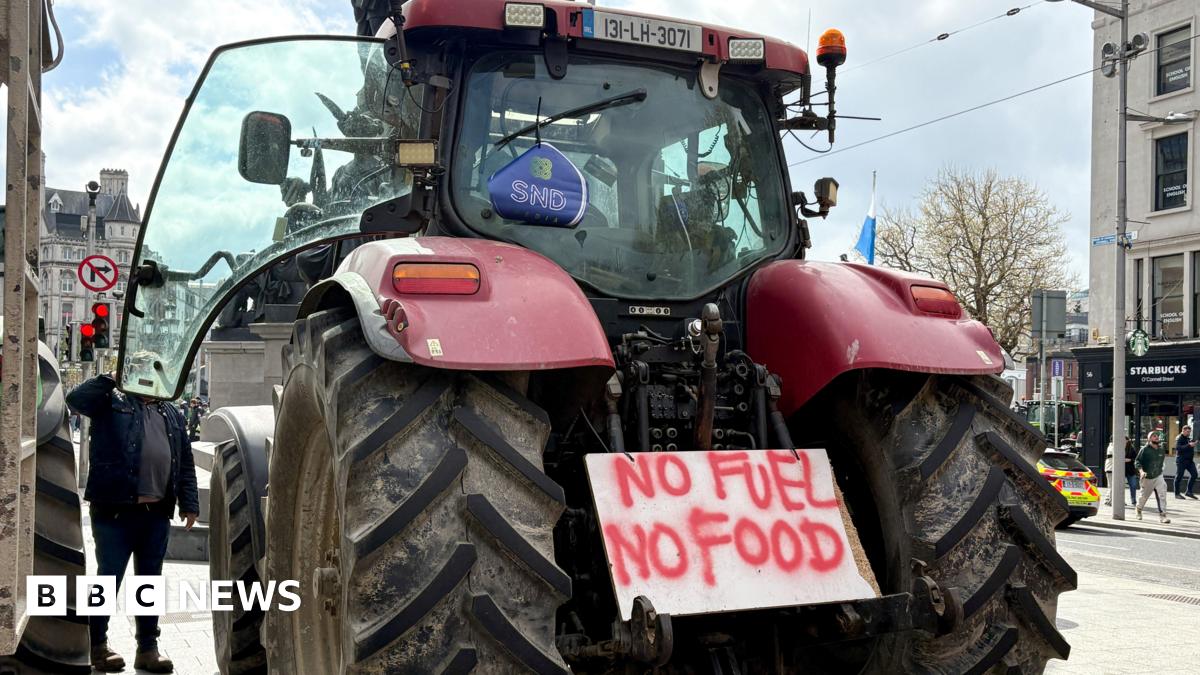
Irish police, known as An Garda Síochána, have actively intervened to manage ongoing fuel protests that have established blockades at oil depots in County Limerick and County Galway. On Saturday afternoon, gardaí were documented escorting oil tankers departing from the Whitegate oil refinery, indicating efforts to maintain fuel supply distribution despite the protest actions. These demonstrations are part of a broader movement by hauliers and other groups protesting rising fuel costs and demanding government intervention.
The protests have caused significant disruption to fuel supplies across Ireland, leading to concerns about economic impact and daily life. The police intervention at Whitegate marks a direct confrontation with protesters, aiming to alleviate the blockades and ensure the flow of essential goods. The situation remains fluid, with protesters vowing to continue their actions until their demands are met, while authorities focus on maintaining public order and critical infrastructure operations.
Background & Context
The current wave of fuel protests in Ireland is a response to a sharp increase in fuel prices, which has significantly impacted the operational costs for haulage companies, farmers, and other sectors reliant on transportation. These price hikes are attributed to global market fluctuations and geopolitical events. Similar protests have been observed in other European countries, reflecting widespread discontent over energy costs.
Previous government measures to address fuel prices have been deemed insufficient by the protesting groups, leading to renewed and intensified demonstrations. The Whitegate oil refinery is a critical piece of national infrastructure, supplying a substantial portion of Ireland's fuel needs, making any disruption there particularly impactful. The protests highlight the economic pressures faced by various industries and the public due to inflation and energy costs.
Key Developments
Footage released by An Garda Síochána on Saturday afternoon showed officers actively clearing a path for oil tankers to exit the Whitegate refinery. This operation was crucial in restoring some level of fuel distribution, which had been hampered by the blockades. The police presence was significant, underscoring the seriousness with which authorities are treating the disruption to national fuel supplies.
Protesters, primarily hauliers and concerned citizens, have established blockades at key distribution points, including depots in Limerick and Galway, in addition to the Whitegate refinery. Their actions have aimed to draw maximum attention to their grievances regarding fuel costs and taxation. Despite police efforts, the blockades in Limerick and Galway reportedly continued, indicating the persistent nature of the protest movement.
Perspectives
The protesting groups articulate that the escalating fuel prices are unsustainable for their businesses and livelihoods, calling for substantial government intervention, including tax reductions and subsidies. They argue that their actions, while disruptive, are a necessary measure to compel the government to address a critical economic issue affecting many sectors. Their primary demand is for effective financial relief to mitigate the impact of high fuel costs.
The Irish government and law enforcement agencies emphasize the importance of maintaining essential services and public order. While acknowledging the right to protest, authorities are also tasked with ensuring the free movement of goods and preventing severe economic disruption. The police actions reflect a balancing act between facilitating peaceful demonstration and upholding critical national infrastructure and supply chains.
What to Watch
Future developments will likely hinge on continued police efforts to manage blockades and any potential negotiations or statements from the Irish government regarding the protesters' demands. Observers should monitor the status of blockades at key fuel depots and the Whitegate refinery, as well as any further actions taken by An Garda Síochána. The economic impact of sustained disruptions and the government's long-term strategy to address fuel price volatility will also be crucial areas to watch.
Found this story useful? Share it:
Sources (1)
BBC News
"Fuel protests: Irish police push back fuel protesters at oil refinery"
April 11, 2026